
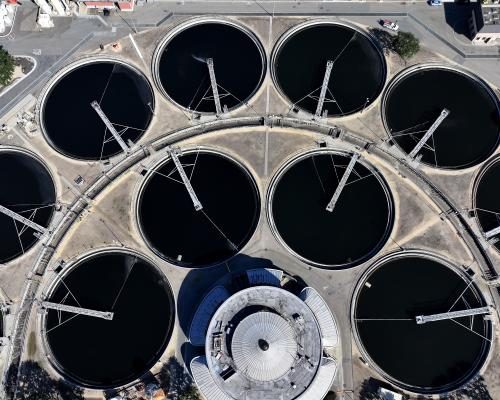
The United States government has issued a stern warning regarding potential cyber-attacks from Iranian-affiliated groups targeting critical infrastructure across the nation. On Tuesday, various top security agencies highlighted the need for municipalities, particularly those in the water and energy sectors, to remain vigilant for any unusual activities. Jeffrey Hall, an assistant administrator for enforcement and compliance assurance at the Environmental Protection Agency (EPA), stressed the importance of protecting these essential services. "Cyberattacks on drinking water and wastewater systems directly threaten public health and community resilience," he stated. Hall emphasized that even a single breach could disrupt treatment processes, introduce harmful contaminants, damage vital equipment, and ultimately erode public trust.
Advisory Issued by Major Security Agencies
The advisory was a collaborative effort among several key organizations, including the EPA, the Federal Bureau of Investigation (FBI), the Cybersecurity and Infrastructure Security Agency (CISA), the National Security Agency (NSA), the Department of Energy, and the US Cyber Command. The alert did not specify whether any particular facilities had been targeted or if any damages had been reported. This lack of details underscores the gravity of the situation, as municipalities across the country are urged to enhance their cybersecurity measures to defend against potential intrusions. Originally reported by The Guardian.
Recent Escalations in US-Iran Relations
The warning comes amid heightened tensions between the United States and Iran. Former President Donald Trump intensified his aggressive rhetoric against Iran on social media, stating, "a whole civilization will die tonight, never to be brought back again" if his demands were not met. This alarming declaration coincided with a provisional ceasefire agreement between the two nations, wherein Iran agreed to reopen the Strait of Hormuz in exchange for the suspension of US military strikes. These geopolitical tensions have heightened the risk of cyber warfare, as both nations have accused each other of orchestrating cyber-attacks against critical infrastructure.
Iran's Cyber Activities and Historical Context
Iran has a documented history of conducting cyber-attacks against various countries. Notably, in 2015, a significant power outage in Turkey was attributed to Iranian hackers, while in 2022, several breaches were reported on Israeli government websites. Earlier this year, US officials claimed that an Iran-affiliated group known as "CyberAv3ngers" executed a campaign that compromised at least 75 devices across multiple infrastructure sectors within the United States. The advisory indicated that these cyber threats are reportedly backed by Iran's Islamic Revolutionary Guard Corps, targeting crucial devices like programmable logic controllers (PLCs) manufactured by Rockwell Automation. Siemens, another manufacturer of PLCs, was not specifically mentioned in the advisory.
Protective Measures for Critical Infrastructure
In light of the advisory, government agencies are calling on municipalities to take immediate action to safeguard their systems. The primary recommendation is to ensure that any devices, particularly PLCs, are not connected to the internet, thereby reducing the risk of unauthorized access. As hackers increasingly target essential services, the need for robust cybersecurity protocols has never been more critical. Municipalities must assess their current security measures, conduct regular audits, and invest in advanced threat detection systems to bolster their defenses against potential cyber threats.
As the geopolitical landscape continues to evolve, the implications of these cyber threats extend beyond immediate safety concerns. A successful attack on critical infrastructure could lead to widespread disruption, impacting public health and safety on a national scale. Therefore, it is imperative for local governments and organizations involved in critical infrastructure to remain alert and proactive in their cybersecurity efforts. The landscape of cyber warfare is changing rapidly, and the potential for devastating attacks looms large. The recent advisory serves as a crucial reminder of the persistent and evolving threats posed by state-sponsored cyber actors.
Originally reported by The Guardian. View original.