
In a notable shift within European Union dynamics, Slovakia's Prime Minister Robert Fico has urged the EU to lift sanctions on Russian oil and gas imports. This call comes as the region grapples with an escalating energy crisis exacerbated by the ongoing conflict in Iran. Following a recent discussion with Hungarian Prime Minister Viktor Orbán, Fico emphasized the need for renewed dialogue with Moscow to secure vital energy supplies from all available sources, including Russia.
Energy Crisis Intensifies Amid Middle East Conflict
The backdrop of Fico's statement is a significant rise in oil prices, which have surged since the United States and Israel initiated military actions against Iran on February 28. This conflict has severely disrupted oil shipments from the Gulf, leading the International Energy Agency to describe the situation as the largest oil supply disruption in history. As a result, many EU member states are facing increased energy costs and shortages, prompting leaders like Fico and Orbán to propose a reevaluation of the sanctions imposed on Russia. Originally reported by The Guardian.
Fico's remarks mark an outlier perspective within the EU, where most member states have aligned against Moscow since the onset of the war in Ukraine. Slovakia and Hungary, however, maintain a more conciliatory stance towards Russia, which could lead to divergent energy policies within the bloc if their proposals gain traction.
Ukrainian Leadership Seeks Strategic Partnerships
Meanwhile, amid the unfolding energy crisis, Ukrainian President Volodymyr Zelenskyy is actively seeking to bolster international ties. Following a meeting with Turkish President Recep Tayyip Erdoğan in Istanbul on Saturday, Zelenskyy announced plans for increased security cooperation, particularly in areas where Ukraine can contribute expertise and technology. He conveyed this commitment via a Telegram post, underlining the significance of the partnership for both nations.
Erdoğan, in his discussions with Zelenskyy, reiterated Turkey's support for ongoing negotiations between Ukraine and Russia aimed at resolving the protracted conflict. The Turkish presidency stated that Ankara would continue to facilitate talks, signaling a potential diplomatic avenue that both parties could explore as hostilities persist.
Potential US Envoys' Visit to Kyiv
In a related development, reports have surfaced indicating that US envoys Steve Witkoff and Jared Kushner are expected to visit Kyiv in April. Ukrainian presidential aide Kyrylo Budanov confirmed that the visit could take place shortly after Orthodox Easter on April 12. This trip would mark the first official visit to Ukraine for Witkoff and Kushner since the war began, although they have previously met with Ukrainian representatives in the United States.
Budanov stated that discussions would likely focus on reviving stalled peace talks with Russia, which have been largely inactive since the escalation of hostilities in the Gulf. The involvement of high-profile figures like Kushner and Witkoff reflects the ongoing interest of the US in mediating a resolution to the conflict, despite the challenges posed by the current geopolitical climate.
Escalating Attacks in Ukraine
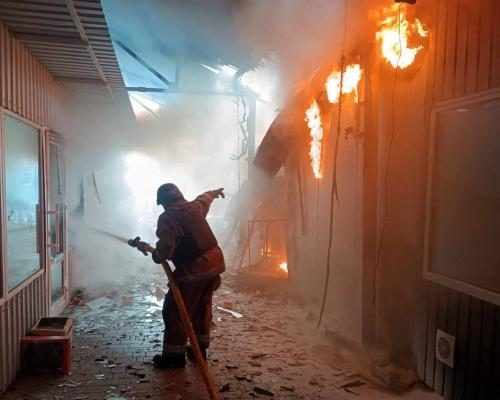
On the ground in Ukraine, the situation remains dire as Russian military operations continue to inflict casualties on civilians. A recent drone strike targeted a covered market in the eastern city of Nikopol, resulting in the deaths of five individuals and injuring 25 others. This attack occurred at 9:50 am local time and is indicative of a concerning uptick in daytime assaults by Russian forces.
Reports from the Ukrainian air force noted that Russia launched 286 drones overnight, managing to intercept 260 of them, demonstrating the ongoing intensity of aerial assaults. In addition, a strike in the city of Sumy injured 11 people, while drone strikes in the capital Kyiv caused fires but no reported casualties. The violence also extended into the partially occupied Donetsk region, where a drone hit a civilian vehicle, resulting in one death and additional injuries.
The situation remains precarious, with both sides continuing their military campaigns, underscoring the urgent need for diplomatic efforts as the humanitarian toll mounts.
As Europe navigates this complex landscape of energy dependence and geopolitical conflict, the calls from Slovakia and Hungary for renewed engagement with Russia may challenge the EU's collective stance. With Ukraine actively seeking international partnerships and the US appearing poised to reengage diplomatically, the coming weeks will be critical in determining the direction of both the energy crisis and the ongoing war in Ukraine.
Originally reported by The Guardian. View original.