
Ukraine is bracing for a series of Russian drone attacks, with President Volodymyr Zelenskyy reporting that over a hundred drones are currently active in Ukrainian airspace. As the conflict escalates and tactics shift, the ongoing peace process remains at a standstill, according to Russian Foreign Minister Sergei Lavrov.
Ukrainian President Warns of Escalating Attacks
In a stark Warning, President Volodymyr Zelenskyy highlighted the imminent threat posed by Russian drone strikes, emphasizing that more than one hundred drones have been detected within Ukraine's airspace. This alarming development comes as Moscow appears to be adapting its military strategy, increasingly launching attacks during daylight hours. Zelenskyy described the situation as dire, stating, "Russia continues its strikes and is doing so brazenly - deliberately targeting our railway infrastructure and civilian sites in our cities." He expressed his condolences to the families of those affected by the violence, revealing that casualties have already been reported. Originally reported by The Guardian.
During a recent post on X, Zelenskyy detailed the extent of the recent assaults, noting that 14 regions were struck throughout the day. The overnight attacks specifically targeted residential areas and critical infrastructure, including railways in the Dnipro and Kharkiv regions, port facilities in Odesa, and energy installations in Poltava. In response to these strikes, Ukraine's defense forces managed to intercept and neutralize 111 drones overnight, showcasing their ongoing commitment to countering Russian aggression.
Stalled Peace Talks and Diplomatic Tensions
As Ukraine grapples with escalating military pressure, Russian Foreign Minister Sergei Lavrov has voiced skepticism regarding the state of U.S.-Russia relations and the broader peace process concerning Ukraine. In a recent statement to Russian media, Lavrov remarked that despite what he described as some initial positive signs during Donald Trump's presidency, "nothing is happening" in terms of tangible progress. He criticized the current U.S. administration's approach, asserting that the so-called "good words" about potential cooperation have not translated into real-world outcomes.
Lavrov pointed to the ongoing sanctions against Russia, which he believes have undermined any meaningful dialogue. He stated, "Aside from this regular dialogue - which is normal in relations between people and countries - everything else follows the pattern initiated by President Biden." This sentiment reflects a growing frustration within the Russian government regarding the current diplomatic stalemate.
Regional Responses and Security Concerns
With the backdrop of stalled negotiations, regional leaders are convening in Bucharest for a summit of the Bucharest Nine, a coalition that includes central and eastern European nations as well as the Baltic states. The summit, which features representatives from countries such as Poland, Romania, and Slovakia, is expected to focus heavily on security issues related to Russia's ongoing military actions in Ukraine.
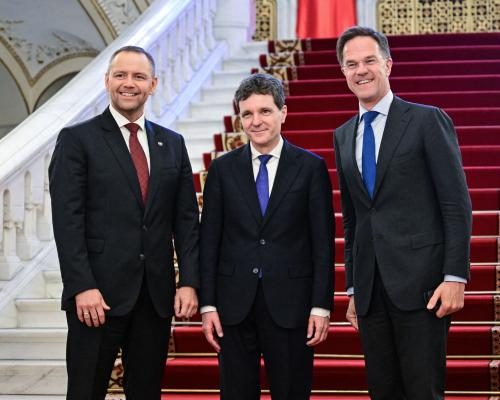
Among the attendees are Romania's Nicușor Dan and Poland's Karol Nawrocki, who are hosting the gathering alongside NATO Secretary-General Mark Rutte. The discussions are anticipated to address the implications of U.S. troop withdrawals from Europe, as well as the overall security landscape in the region. Leaders are likely to emphasize the need for a united front against Russian aggression and the importance of supporting Ukraine in its defense efforts.
The Broader Implications of Continued Conflict
The current state of affairs poses significant challenges not only for Ukraine but also for European security and stability. As attacks intensify and diplomatic efforts falter, the potential for further escalation looms large. Analysts suggest that the continuation of strikes on civilian targets and critical infrastructure could have dire consequences for the humanitarian situation in Ukraine.
Moreover, the failure of peace talks could prolong the conflict, leading to increased casualties and destruction. Both sides remain entrenched in their positions, with Ukraine steadfast in its defense and Russia seemingly unwilling to reconsider its military objectives. The international community watches closely as this situation unfolds, hoping for a resolution that seems increasingly elusive.
As the day progresses, the situation in Ukraine remains fluid, with the specter of further drone attacks looming large. The ongoing conflict continues to shape the geopolitical landscape, raising urgent questions about security, stability, and the future of diplomatic relations in the region.
Originally reported by The Guardian. View original.