
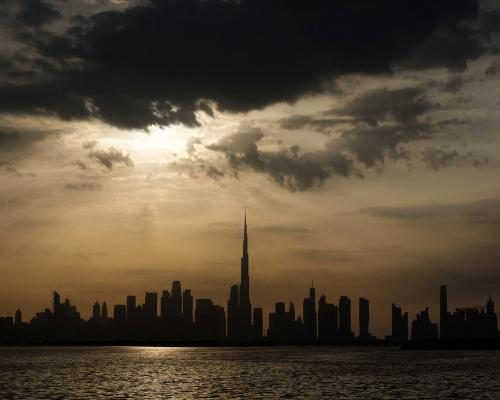
This week marks three weeks since conflict erupted between Iran and a coalition led by the US and Israel, significantly impacting Gulf states like the UAE, Qatar, and Saudi Arabia. As the fighting escalates, the once-peaceful image of the region is rapidly deteriorating, with luxury destinations now facing the threat of drone and missile attacks.
Conflict Alters Tourism Landscape
Following a wave of Iranian assaults, Gulf states are witnessing a stark shift in their tourism landscapes. Dubai, often regarded as a safe haven for tourists, has been jolted by the proximity of conflict, less than 100 miles from Iran. The recent attacks have prompted an exodus of expatriates and tourists, leading to overwhelmed pet shelters as families abandon their pets amidst the chaos. Originally reported by The Guardian.
Authorities have responded by cracking down on social media activity, with a 60-year-old British man among 20 individuals charged for allegedly violating the UAE's strict cybercrime laws by sharing videos related to the Iranian Strikes. "That is clearly ridiculous," says Hannah Ellis Peterson, the Guardian's South Asia correspondent, who is covering the war from Dubai. "The UAE never expected to be on the frontline of this war, particularly Dubai, a place that has worked very hard to build itself up as a safe haven of tourism."
Financial Implications of Escalation
As the conflict continues, Gulf states are grappling with severe financial implications. The oil and gas industries, vital to the economies of these nations, have come to a near standstill due to the fighting. Liquefied natural gas production in Qatar has halted entirely, with the critical Strait of Hormuz, a chokepoint for oil and gas shipments, rendered nearly impassable due to fears of Iranian attacks.
Gulf nations, which rely heavily on oil exports, are experiencing a financial strain as they invest billions into defensive measures against Iranian missiles and drones. "They can sustain it for another week or two. But the worst-case scenario is that it keeps dragging on," Peterson explains. As the fighting continues, the question arises: how long can these nations sustain such financial pressures before their economies face a deeper crisis?
Security Alliances Under Scrutiny
The longstanding security alliances that Gulf states have forged with the US are coming under scrutiny in the wake of these attacks. Hosting roughly 40,000 American troops, the Gulf has historically positioned itself as a bulwark against Iranian aggression. However, the recent conflict has raised doubts about the efficacy of these partnerships, leading to increased vulnerability and drawing the region into a crisis.
For countries that have invested heavily in military cooperation with the US, the repercussions of being targeted have sparked debate about the wisdom of these alliances. As the situation unfolds, Gulf states must navigate the delicate balance of maintaining their security while reassessing their geopolitical strategies. The implications of this conflict may redefine the Gulf's relationships with both regional and global powers.
A Mirage of Peace and Luxury?
The conflict in Iran is starkly revealing the fragility of the Gulf's image as a region of peace and luxury. The tranquil veneer that has attracted tourists and expatriates is rapidly being shattered by the reality of warfare. High-end hotels, once symbols of the region's opulence, are now potential targets, leaving both investors and visitors questioning the sustainability of this carefully curated image.
As the Gulf states strive to maintain their appeal as safe havens, the ongoing conflict poses a significant challenge. The once-solid foundation of stability is now shaken, with the future of tourism and economic prosperity hanging in the balance. As Peterson notes, the UAE and its neighbors were vocal advocates against this war, and now they find themselves grappling with the consequences of a conflict they sought to avoid.
Looking ahead, the Gulf states face a daunting task: they must either adapt to a new reality shaped by conflict or devise strategies to restore their reputation as regions of peace and luxury. This ongoing crisis may redefine not only the Gulf's geopolitical landscape but also its economic future.
Originally reported by The Guardian. View original.