
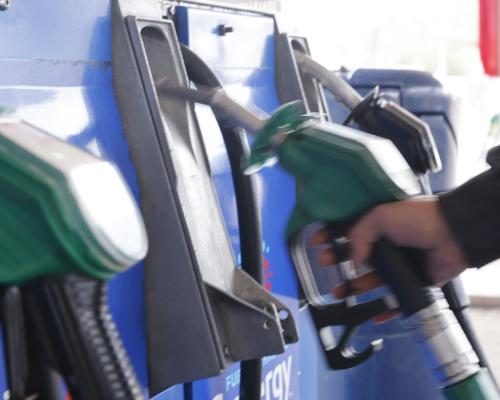
As petrol prices continue to escalate, Richard Walker, the executive chair of Iceland supermarket, has urged Labour leader Keir Starmer to extend the current fuel duty cut. This call is particularly pressing given the ongoing conflict in the Middle East, which has disrupted global oil supplies and driven prices higher.
Impact of Middle East Conflict on Fuel Prices
The strait of Hormuz, a vital shipping route for oil, has been under blockade since late February due to escalating tensions following U.S. and Israeli military actions against Iran. This strategic chokepoint accounts for approximately 20% of the world's oil supply, making the blockade a significant contributor to the rising cost of fuel. Originally reported by The Guardian.
According to the latest reports, the average price of diesel in the UK has surged by 30%, now standing at 185.2p per litre, since the onset of the conflict. Petrol prices have also climbed by 16%, reaching an average of 154.5p per litre. These increases are placing additional strain on households already grappling with the rising cost of living.
Government's Current Fuel Duty Policy
Currently, the UK government has frozen fuel duty until September, when a review is scheduled to assess any potential increase. The previous Conservative administration had introduced a 5p per litre cut in fuel duty in March 2022, which was extended by Chancellor Rachel Reeves in her last budget announcement in November. This extension is set to expire soon, leading to uncertainty about future prices.
Walker, who was appointed as the government's cost of living adviser by Starmer in February, has emphasized the need for the Labour Party to consider not only extending the existing cut but potentially increasing it. He pointed out that other countries, such as Australia, have acted more decisively by implementing a 14p per litre cut to their fuel tax.
Political Responses to the Cost of Living Crisis
As the cost of living crisis intensifies, various political parties have put forward their proposals to alleviate financial pressure on consumers. The Labour Party, under Starmer's leadership, is considering its options in light of the war's impact on fuel prices. Starmer himself has stated that the planned rise in fuel duty will be kept "under review" as the situation evolves.
Meanwhile, the Conservative Party has suggested scrapping VAT on energy bills for the next few years, while the Reform UK party is advocating for a reduction in VAT on fuel. The Liberal Democrats have also chimed in, proposing a 10p cut to fuel duty. This array of proposals highlights the growing political pressure on the government to act decisively in response to rising costs.
Consumer Sentiment and Economic Outlook
Consumer sentiment is increasingly fragile as families face the dual pressures of rising fuel prices and overall living costs. The RAC has reported that the climbing prices at the pump are not just a nuisance but a serious financial burden for many households across the UK.
With the potential for further disruptions in oil supply due to geopolitical tensions, analysts warn that the situation may worsen before it improves. The economic landscape is fraught with uncertainty, which could lead to increased demands for action from the government.
As the September review date approaches, all eyes will be on the government's decision regarding fuel duty. An extension or increase in the cut could provide much-needed relief for motorists and families struggling with rising costs.
In summary, the debate over extending the fuel duty cut is gaining momentum, fueled by rising petrol prices and the ongoing conflict in the Middle East. With various political parties proposing different solutions, the government faces mounting pressure to take action that addresses the cost of living crisis effectively.
Originally reported by The Guardian. View original.