
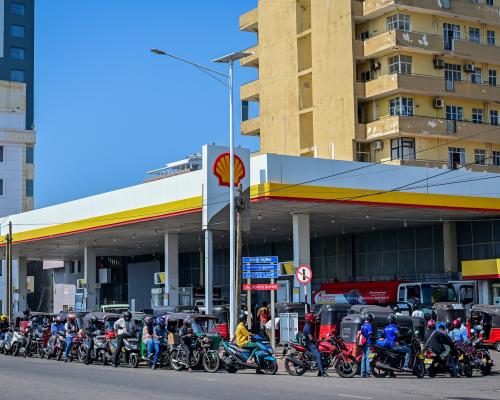
Sri Lanka is implementing a four-day work week starting this week, aiming to conserve dwindling fuel and gas supplies as regional energy shortages intensify due to ongoing conflicts in the Middle East. The move comes as countries across South Asia grapple with severe fuel and LPG gas shortages, which have been exacerbated by disruptions in supply chains originating from the Gulf since the onset of U.S. and Israeli military actions in Iran.
Beginning Wednesday, state institutions, schools, and universities will operate only four days a week, with civil servants encouraged to work from home whenever possible. Prabath Chandrakeerthi, the Commissioner General of Essential Services, emphasized the need for the private sector to follow suit by designating Wednesdays as a holiday. This decision was taken during an emergency meeting chaired by President Anura Kumara Dissanayake, reflecting the urgency of the situation. Originally reported by The Guardian.
Energy Shortages Trigger Rationing
The effects of the fuel crisis are already being felt across the nation. As of Sunday, fuel rationing was reintroduced, with long lines forming outside petrol stations. Motorists are now limited to just 15 litres of petrol or diesel weekly, while public transportation services have been allocated up to 200 litres. Officials have warned that Sri Lanka's petrol and diesel reserves could last only six weeks, heightening concerns about the impact of any further disruptions in energy supplies.
Emergency services, including hospitals and ports, are assured to continue functioning, but the government is acutely aware that an extended conflict in the Middle East could severely undermine its efforts to recover from the economic crisis it faced in 2022. During the emergency meeting, Dissanayake reportedly stated, "We must prepare for the worst, but hope for the best," highlighting the precarious position the country finds itself in.
Regional Impacts of Middle East Conflict
The crisis is not isolated to Sri Lanka. Neighboring countries are also grappling with the ramifications. Bangladesh, for instance, declared early holidays for universities to conserve energy, while scheduled power blackouts have become commonplace to manage the dwindling fuel supply. In Pakistan, where 85% of energy imports rely on the Strait of Hormuz, schools have transitioned to remote online learning, and fuel prices have been increased to curb hoarding behaviors among consumers.
India, which depends on Gulf states for 60% of its LPG supplies, is experiencing significant demand as citizens queue for cooking gas canisters. Many restaurants have temporarily closed or removed certain dishes from their menus due to the shortage. Meanwhile, hotels warn of possible closures and major industries, such as steel production, have begun halting operations. However, Prime Minister Narendra Modi reassured the public that there is no shortage of LPG and urged against panic buying.
Challenges in Shipping through the Strait of Hormuz
The Strait of Hormuz, a vital shipping route for oil and gas, has effectively been blockaded by Iran in response to the U.S. and Israeli military actions. This blockade has resulted in significant delays and disruptions in energy transport, leaving countries like Sri Lanka and India vulnerable. While India reported some diplomatic success over the weekend, with two of its tankers successfully navigating through the strait, the situation remains tense and unpredictable.
India's Foreign Minister Subrahmanyam Jaishankar mentioned that direct negotiations with Iranian officials helped facilitate the passage of these tankers, stating, "I am at the moment engaged in talking to them and my talking has yielded some results." Nonetheless, the overall instability in the region poses ongoing risks to energy supplies, threatening to escalate the crisis further.
As the situation unfolds, Sri Lanka's decision to implement a four-day work week reflects the harsh reality of a region grappling with energy insecurity. The hope is that these measures will help stretch available resources and avert a deeper crisis as the government and citizens brace for an uncertain future.
Originally reported by The Guardian. View original.