
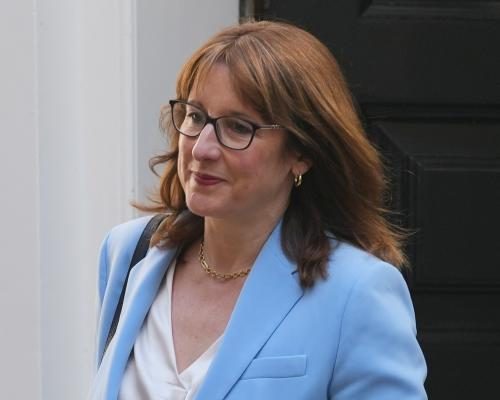
Senior UK ministers have emphatically dismissed the notion of implementing a year-long rent freeze for the private sector, just two days after The Guardian reported that Labour's Rachel Reeves was contemplating the measure. Housing Secretary Steve Reed and Housing Minister Matthew Pennycook were quick to criticize the proposal, which has already been ruled out by Downing Street. This immediate backlash highlights growing tensions within the government, especially amid speculation regarding Reeves's future following recent local election setbacks.
Reed stated, "I've been crystal clear - we're not doing it," underlining the government's steadfast stance against rent controls. His comments came shortly after Pennycook labeled the rent freeze idea as "not a credible or serious policy proposition." The ministers' firm rejection follows a pattern of government officials asserting that rent controls could exacerbate rental market issues, referencing the experiences of countries like Sweden and Germany, where such measures have reportedly led to increased costs for non-regulated properties. Originally reported by The Guardian.
Political Fallout from Rent Freeze Discussions
The strong pushback from senior ministers has fueled speculation about Rachel Reeves's position within the Labour Party. Reports surfaced over the weekend suggesting that party leader Keir Starmer was considering a reshuffle of his cabinet following disappointing results in local elections. Starmer's hesitance to publicly back Reeves when questioned during Prime Minister's Questions has only intensified this speculation. While Downing Street maintains that Reeves has the prime minister's confidence, the lack of a definitive commitment from Starmer has left many questioning her job security.
Reeves's allies have dismissed the rumors of her impending dismissal as mere conjecture, with one source describing them as "one final roll of the dice" for Starmer, who faces increasing pressure after the local election losses. Amidst these uncertainties, Reeves addressed staff at the Treasury, emphasizing the need to focus on economic growth and highlighting recent measures, including utility bill cuts introduced in the November budget. Her supporters argue that the potential for chaos in the gilt market serves as a compelling reason for her continuation in the role.
Expert Opinions on Rent Controls
Critics of rent control policies, including Pennycook, argue that while such measures may provide short-term relief for some tenants, they often lead to unintended long-term consequences. "We exhaustively went through the evidence," Pennycook stated, referencing the negative impacts seen in various regions. Experts suggest that rent controls can depress rental prices for regulated homes while simultaneously inflating costs for unregulated properties, creating a dual market effect that ultimately may harm tenants in less regulated situations.
Despite the backlash from government officials, some advocates for rent freezes argue that they could provide necessary relief in the current economic climate, where inflation and rising living costs are significant concerns. The debate over these policies reflects broader discussions within the UK about housing affordability and economic management, particularly as the government navigates the ramifications of external factors like the ongoing conflict in the Middle East, which has been affecting market stability.
Market Reactions and Future Implications
As the political landscape evolves, market analysts are closely monitoring Labour's internal dynamics, particularly in light of next week's local elections. A report from Jefferies highlighted the upcoming polls as "the local elections markets can't ignore," with investors wary of potential leadership changes that could influence government policy. The yields on UK government bonds have already surged, reaching levels not seen since 2008, driven by fears of prolonged conflict and rising inflation.
The escalating costs of government borrowing have raised alarms, pushing 10-year gilt yields above 5%. Some investors are beginning to speculate that a leadership transition within Labour could further impact these yields, exacerbating financial strain on the government. In this context, Reeves's position may be more critical than ever, as her allies argue that her retention could help stabilize market perceptions amid turbulence.
So, the intense scrutiny surrounding Rachel Reeves's proposed rent freeze reflects deeper issues within the Labour Party and the UK government. As local elections approach and economic challenges loom, the party's leadership faces pivotal decisions that could shape its future direction and its response to pressing housing and economic issues. The coming days will reveal whether Reeves can maintain her position and contribute to Labour's broader strategy amidst ongoing political and market uncertainties.
Originally reported by The Guardian. View original.