
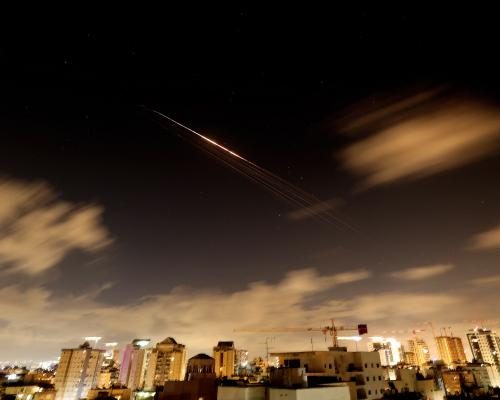
European intelligence agencies are reporting that Russia is nearing the completion of a deal to supply drones to Iran, a move that could significantly escalate tensions in the ongoing conflict involving the US and Israel. According to a senior European official, these explosive-laden drones are intended for use against US forces in the region, marking a troubling development in the dynamics of the Middle East.
Intelligence Reports Indicate Imminent Drone Deliveries
The intelligence gathered by European agencies suggests that Russia is in the final stages of preparing to deliver drones to Iran. This development comes after months of intelligence-sharing between Moscow and Tehran, aimed at bolstering Iran's capabilities against US military targets. The official, who requested anonymity, confirmed details of the impending drone shipments, which are expected to include not just drones but also medical supplies and food, as reported by the Financial Times. Originally reported by The Guardian.
These forthcoming deliveries would represent the first instance of lethal military support from Russia to Iran since the inception of the conflict. Recent discussions between Iranian and Russian officials reportedly began shortly after a series of attacks by Israel and the US on Iranian positions in late February. The anticipated timeline for these drone shipments suggests they could be completed by the middle of next week.
Kremlin Denies Allegations Amid Rising Tensions
In response to the allegations regarding the drone shipments, Kremlin spokesperson Dmitry Peskov dismissed the claims as "fake news," while affirming that dialogue between Russia and Iran continues. This denial comes amidst a backdrop of increasing military collaboration between the two nations, which formalized a strategic partnership agreement last year. Notably, Russia has already delivered over 13 tons of medical supplies to Iran via Azerbaijan, demonstrating the deepening ties between the two nations.
The implications of this military support could be significant. As Iran has retaliated against perceived threats by launching numerous attack drones across the Gulf, targeting US interests in various countries, the introduction of Russian drones may further embolden Tehran's military operations. This escalation could provoke a stronger response from the US and its allies, raising the stakes in an already volatile region.
International Reactions and Strategic Implications
European foreign ministers convened at a G7 meeting in France to discuss the implications of Russia's support for Iran. US Secretary of State Marco Rubio was also present, emphasizing the need for a coordinated response to the growing partnership between Moscow and Tehran. German Foreign Minister Johann Wadephul specifically accused Russia of aiding Iran in identifying potential strike targets, suggesting that President Vladimir Putin might be using the conflict in the Middle East as a distraction from his activities in Ukraine.
"Putin cynically hopes that the escalation in the Middle East will divert our attention from his crimes in Ukraine," Wadephul asserted. British Foreign Minister Yvette Cooper echoed these sentiments, expressing deep concern over the long-standing connections between Iran and Russia, particularly in terms of shared military capabilities, including drone technology.
Broader Consequences for Regional Stability
The potential delivery of Russian drones to Iran is not just a bilateral issue; it poses a broader challenge to regional stability. The ongoing conflict involving the US and Israel has already been criticized by various countries as illegal and poorly defined, leading to geopolitical and economic chaos in the area. The involvement of Russia could exacerbate these tensions, further complicating an already fragile situation.
Moreover, the response from other Middle Eastern nations remains uncertain. Iran's aggressive military posture, characterized by drone strikes across the Gulf, has already strained relations with several countries, including Kuwait, Qatar, Bahrain, Saudi Arabia, Oman, Iraq, and the United Arab Emirates. The introduction of Russian drones could prompt a reevaluation of security strategies among these nations, potentially leading to a regional arms race.
As the situation develops, the international community is closely monitoring the implications of this partnership. The intertwining of conflicts in Ukraine, the Middle East, and beyond raises critical questions about global security and the future of diplomatic relations in a rapidly changing geopolitical landscape.
Originally reported by The Guardian. View original.