
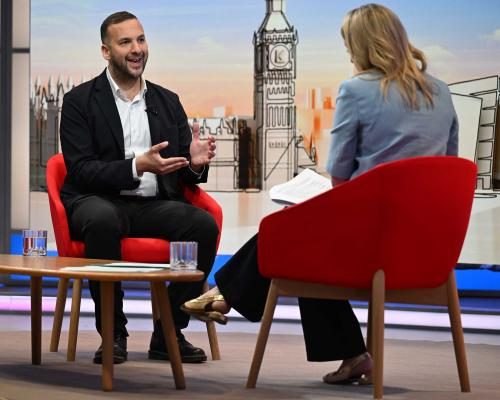
Zack Polanski, a prominent figure in the Green Party, has expressed his reservations about the use of the chant "globalise the intifada" among pro-Palestine protesters. While he discourages its use, he cautioned against outright bans on such phrases or protests, particularly one scheduled in London later this month. His comments come in the wake of heightened tensions following a violent incident in Golders Green, where two Jewish individuals were attacked. The incident has sparked calls for stricter measures against demonstrators using potentially inflammatory language.
During a recent appearance on BBC One's Sunday with Laura Kuenssberg, Polanski articulated his concerns regarding freedom of speech, emphasizing that banning certain phrases could infringe upon this fundamental right. He stated, "I wouldn't encourage people to use it, because actually I think you can make your point a lot more effectively and not get into this conversation about language." His remarks were made shortly after Keir Starmer, the leader of the Labour Party, called for "tougher action" against protesters who use the chant, labeling pro-Gaza marches as potentially intimidating. Originally reported by The Guardian.
Background on Rising Tensions
The recent attack in Golders Green, a district in north-west London, has heightened tensions within the community, leading to increased scrutiny of pro-Palestinian demonstrations. The Metropolitan Police had previously adopted a policy to arrest individuals who chant "globalise the intifada." In response to the outcry, Transport Secretary Heidi Alexander stated that any further actions concerning the protests would depend on an ongoing review of protest laws being conducted by former director of public prosecutions Ken Macdonald.
Alexander emphasized the importance of assessing the cumulative impact of such protests on the Jewish community, noting that it is crucial to balance the right to protest with the need for public safety. "We are not talking about an outright comprehensive ban on protest or anything like that," she clarified, indicating that the focus remains on ensuring the safety and comfort of all communities involved.
Polanski's Apology and Reactions
Zack Polanski has also faced backlash for a post he shared on social media that criticized the police's handling of an arrest following the Golders Green incident. Footage from the arrest showed officers appearing to kick the suspect, which raised questions about police conduct. After receiving criticism from Metropolitan Police Commissioner Mark Rowley for undermining his officers, Polanski offered an apology, stating, "I accept that X or social media is not the appropriate forum to have that concern." He plans to address his concerns privately with Rowley.
Polanski further stated, "I also think an open letter from the commissioner wasn't necessarily the appropriate forum, but I'm glad we've resolved that." His commitment to discussing the matter privately reflects a desire to engage in constructive dialogue rather than public confrontation. This incident highlights the delicate balance between freedom of expression and the responsibilities that come with public discourse.
The Debate Over Language and Safety
The debate surrounding the chant "globalise the intifada" has sparked significant division among political leaders. While Keir Starmer has categorized the chant as potentially racist, Polanski disagreed, asserting that policing language would not enhance safety for Jewish individuals. He stated, "I don't think that's correct. I think it's important that we make sure that we have freedom of speech in this country and freedom of protest." This perspective underscores a critical tension in discussions about public demonstrations and the language used within them.
Conservative Party leader Kemi Badenoch has taken a more definitive stance, asserting that all pro-Gaza marches should be halted. She argues that such protests contribute to a climate that normalizes anti-Semitism. However, when asked if a march planned for May 16, led by controversial figure Tommy Robinson, should also be banned, she declined, highlighting the complexities of addressing various protests while ensuring public safety.
As the situation unfolds, the balance between protecting freedoms and ensuring community safety remains a pressing issue for local authorities and political leaders alike. Polanski's statements reflect a broader conversation about how societies navigate these challenges, particularly in times of heightened tension.
Originally reported by The Guardian. View original.