
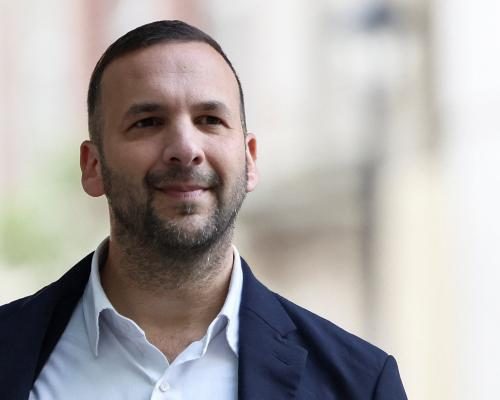
In a heated response to recent events, UK Transport Secretary Heidi Alexander has declared that Green Party leader Zack Polanski is "not fit to lead a political party" following his controversial retweet regarding police actions during a violent incident in Golders Green. The comments come amidst heightened tensions surrounding pro-Palestinian demonstrations and increasing concerns over antisemitism in the UK.
Polanski's Controversial Retweet Sparks Outrage
Zack Polanski faced significant backlash after he shared a post on social media platform X, which alleged excessive police force during the arrest of a suspect involved in a violent attack on Jewish men in Golders Green, a neighborhood in north London. The tweet claimed that officers were seen "repeatedly and violently kicking a mentally ill man in the head" while he was incapacitated by a stun gun. In response, Alexander labeled the retweet as "disgusting" and "absolutely abhorrent," emphasizing the bravery of the police officers involved in the incident. Originally reported by The Guardian.
"Those police officers ran towards danger, they were armed only with a Taser that they had already discharged," Alexander stated. "The guy still had a knife in his hand. They were armed with their courage and their training." Her condemnation reflects a broader concern within the government regarding public confidence in law enforcement, especially in the wake of rising antisemitic violence.
Legal Changes and Protest Restrictions
The conversation around protests has intensified, particularly with Labour leader Keir Starmer indicating possible restrictions on recurring pro-Palestinian demonstrations. In a recent interview, Starmer suggested that chants such as "globalise the intifada" and "from the river to the sea" could be subject to legal scrutiny. This has raised alarms among civil liberties advocates, who argue that such moves could infringe on freedom of speech.
Transport Secretary Heidi Alexander confirmed that the government has already enacted changes to empower police in managing protests. A new law was put in place this week, allowing for stricter enforcement of public order during demonstrations. Home Secretary Shabana Mahmood has also directed Lord Ken Macdonald to conduct a review of protest legislation, with an emphasis on addressing antisemitic actions and ensuring community safety.
Escalating Violence and Government Response
The violent incidents in Golders Green have heightened fears within Jewish communities across the UK. Essa Suleiman, 45, has been charged with attempted murder following stabbings of two Jewish men during the altercation last week. He also faces charges related to an earlier attack earlier that same day. The severity of the situation prompted the UK government to raise the national terror threat level to severe, signaling an imminent threat.
In response to the violence, Prime Minister Starmer announced an increase in funding aimed at bolstering security for Jewish communities. The government has pledged to enhance resources for protecting vulnerable populations and to develop strategies to counter antisemitic rhetoric. Critics, however, argue that more proactive measures are necessary to address the underlying issues prompting these attacks and to effectively reassure affected communities.
The Impact of Rhetoric in Political Discourse
As tensions escalate, the language used by political leaders is under scrutiny. While some view phrases like "from the river to the sea" as expressions of solidarity with Palestinian aspirations for justice, others interpret them as calls for violence against Israel. This dichotomy complicates the dialogue surrounding protests and free speech, with potential implications for political leaders and their responses to public sentiment.
Polanski's retweet has sparked a significant debate about the appropriateness of political responses to police actions during volatile situations. Many are questioning how leaders should balance advocacy for marginalized groups with the necessity of supporting law enforcement in high-stress scenarios.
As the situation develops, the UK government faces the challenge of addressing community safety while also navigating the complexities of political expression and public protest. The outcome of Lord Macdonald's review and subsequent legislative changes will be closely watched in the coming weeks.
The unfolding events reflect a broader societal struggle, balancing the right to protest with the imperative of public safety. The discourse surrounding these issues is likely to shape not only immediate responses but also long-term political strategies within the UK.
Originally reported by The Guardian. View original.