
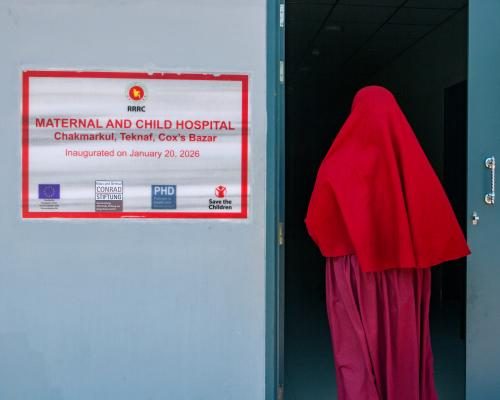
Kutupalong camp, nestled in the hills of Cox's Bazar in southeastern Bangladesh, has long been a challenging environment for Rohingya women facing pregnancy. With the dawn breaking over the largest refugee camp in the world, women awaken not from routine, but from necessity, carefully navigating around their sleeping children. For many, pregnancy has been more of a burden than a blessing, often fraught with the fear of inadequate medical care during labor. The camp's existing facilities-overcrowded clinics and makeshift birthing spaces-have historically strained under the demands of maternal health needs. In response to these challenges, a new maternal hospital has opened, promising a beacon of hope for the community.
Maternal Care Amidst Crisis
For over eight years, the Rohingya community has sought refuge in Cox's Bazar, with more than a million individuals residing in the camp. Over half of these refugees are women and girls, many of whom find themselves in precarious situations exacerbated by cuts to foreign aid in 2025. These cuts have forced the closure of health centers, schools, and reduced food rations, which further strains already limited resources. The new hospital, operated by Save the Children, aims to provide round-the-clock emergency obstetric care, alongside routine maternal and newborn services. Situated within the camp, it is designed to be accessible to the women who need it most. Originally reported by The Guardian.
Rozina Akhter, a 29-year-old health worker, is a vital part of this initiative. "This work is very important to reduce maternal and child mortality," she explains, while multitasking through examinations and deliveries. In a significant shift for the community, the facility now offers crucial surgical services, including C-sections and ultrasound, which were previously unavailable within the camp. This change means that women no longer have to endure perilous journeys to distant hospitals for essential care, a process that could be life-threatening.
A Fragile Sense of Security
Despite improvements, the realities of life in the camp can still lead to tragic outcomes. Women often arrive at the hospital after attempting to manage complications at home, sometimes too late for effective treatment. Zohara Begum, a 17-year-old who has lived in the camp since childhood, voiced the ongoing struggles. "Everything has been reduced: food, gas, medicine," she noted, reflecting on the precariousness of daily life. The hospital represents a rare improvement, offering reassurance that "mothers won't die and babies can survive." Yet, Zohara is conscious of the future and has set a personal milestone; "I will not get married before I turn 18," she asserts, fully aware of the risks associated with early pregnancy.
Others, like Najma Khatun, also 17, express a newfound sense of hope. Preparing for her first child, she recalls her early months of pregnancy filled with fear and uncertainty. Regular checkups at the hospital have eased her worries, and she plans to give birth there. "Now I feel better," she shares, emphasizing her confidence in the medical staff. However, the looming threat of further aid cuts keeps her anxiety at the forefront.
Personal Stories of Survival
Noor Kalima, 27, is three months into her planned pregnancy and understands the weight of responsibility that comes with motherhood. "Sometimes our children want something different, but we cannot provide it," she reflects on the limitations they face. The proximity of the hospital has given her a cautious sense of security. "I have no fear," she states confidently, acknowledging the importance of accessible medical care.
Conversely, Sokina Bibi, 42, shares a haunting experience from her past. Having given birth seven times, two of her children did not survive. She recalls a particularly harrowing delivery that lasted three days, during which she feared for her life and that of her unborn child. "The pain is something I will never forget," she recounts, highlighting the significance of the new hospital in the fabric of the camp. For Sokina, the facility is not just another building; it embodies hope and survival.
As workers move quietly through the camp, traditional birth attendants like Romida Begum play a critical role in connecting expectant mothers to medical services. With over a decade of experience, she has assisted thousands of births, using her knowledge to guide women toward the hospital when needed. Yet, the challenges remain, as the world watches the ongoing struggles of the Rohingya community.
The opening of the maternal hospital marks a pivotal moment for the women of Kutupalong. While it brings much-needed medical resources and support, the future remains uncertain as aid cuts threaten to undermine progress. Still, the women's resilience shines through, fueled by a shared hope for safer pregnancies and healthier futures.
Originally reported by The Guardian. View original.