
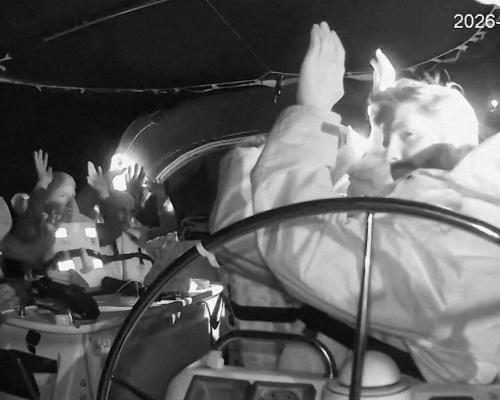
Six Australians detained by the Israel Defence Forces (IDF) during an attempt to deliver aid to Gaza as part of a global flotilla are set to be released on a Greek island, according to Israel's Foreign Minister Gideon Sa'ar. The IDF intercepted approximately 22 vessels off the coast of Crete on Wednesday evening, part of the Global Sumud Flotilla, which departed from Italy on Monday. Around 175 activists were removed from the ships as tensions escalated in the region.
Consular Support Arrives in Crete
Officials from the Australian Department of Foreign Affairs and Trade (DFAT) are currently in Crete to provide consular assistance to the Australians transferred there. A DFAT spokesperson confirmed their presence, emphasizing that they are working closely with both Israeli and Greek authorities to ensure the safety and well-being of those detained. The flotilla aimed to deliver 500 tonnes of humanitarian aid and volunteers to Gaza, which is currently under a strict naval blockade imposed by Israel. Originally reported by The Guardian.
In a statement on social media, Foreign Minister Sa'ar noted that the IDF had successfully thwarted attempts to breach the naval blockade. He expressed gratitude towards the Greek government for its cooperation in facilitating the transfer of the detained individuals to a beach in Crete. "All participants in the provocative flotilla who were taken off the vessels were taken off unharmed," he stated, reinforcing that the actions taken were within legal boundaries.
Claims of Unlawful Interception
The Global Sumud Flotilla has fiercely criticized the IDF's actions, alleging that the boats were intercepted in international waters, hundreds of kilometers from Israel. They have accused the Israeli government of "piracy" and "kidnapping" for the manner in which the intercept took place. A spokesperson for the flotilla claimed that after the vessels were boarded, the IDF damaged the engines of the boats and disrupted communication systems.
Among the 14 Australians involved in the flotilla, only two remain in contact with the outside world. Anny Mokotow, an Australian citizen and member of Jews Against the Occupation, reported that her vessel, the Bye-Luby, had to conduct a search and rescue operation for stranded boats and their passengers after the interception. "Many boats have been broken, engines destroyed and rigging cut," she said, highlighting the chaos that ensued. Mokotow implored for increased political pressure on Australia, the US, Greece, and the broader international community to advocate for humanitarian assistance to Gaza.
Family Concerns and Calls for Action
The family of Zack Schofield, one of the six Australians expected to be released, expressed deep concern over his safety. They organized a rally in Sydney, demanding the safe return of the detained individuals and criticizing the Australian government's lack of intervention. Peter Schofield, Zack's father, shared that he last communicated with his son early Thursday morning, just before the flotilla was surrounded by IDF vessels. "It's sometimes been commented that this venture is symbolic, but it's far more than symbolic," he emphasized, stressing the risks taken by the activists.
In a broader context, the Australian government has previously urged citizens not to join flotillas attempting to breach the Israeli naval blockade, warning of the potential risks involved, including arrest or deportation. A DFAT spokesperson reiterated this stance, acknowledging the humanitarian motivations but underscoring the dangers associated with such actions.
Historical Context of Gaza Flotillas
This incident isn't the first of its kind; a previous Sumud flotilla in October 2025 also resulted in the detention of seven Australians by the IDF. The ongoing attempts to deliver aid to Gaza highlight the persistent humanitarian crisis in the region, exacerbated by the blockade. Activists have long sought to draw attention to the dire conditions faced by those living in Gaza, advocating for international solidarity and support.
The six Australians expected to be released include climate activist Zack Schofield, University of Sydney student Ethan Floyd, and Dr. Bianca Webb-Pullman, among others. Their experiences have sparked widespread discussions regarding the role of citizens in responding to global humanitarian crises and the responsibilities of their governments.
As the situation unfolds, the international community continues to watch closely, with hopes for a peaceful resolution and the safe return of those involved in the flotilla. The challenges faced by the activists serve as a poignant reminder of the ongoing struggles for humanitarian aid access in conflict zones.
Originally reported by The Guardian. View original.