
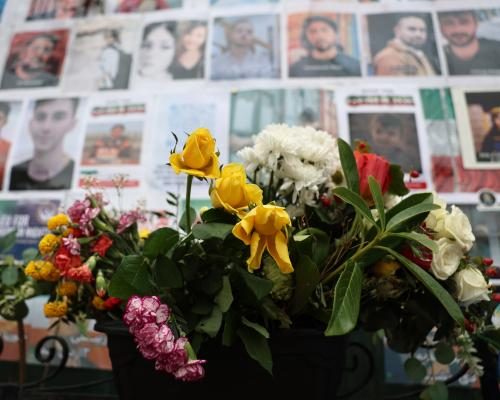
The outbreak of war in the Middle East has sent shockwaves through the Iranian diaspora, which numbers between two and four million people worldwide. As the conflict unfolds, many Iranians find themselves grappling with profound feelings of loss and uncertainty from afar. The situation has escalated dramatically since recent U.S. and Israeli military actions against Iran, prompting widespread concern among those with ties to the country.
A Personal Perspective from the Diaspora
Dr. Hosnieh Djafari-Marbini, an Iranian-born consultant anaesthetist and local councillor in Oxford, shared her thoughts on the current crisis. Having moved to the UK at the age of 13, she recalls the stark contrast between her everyday life and the devastation unfolding back home. "It feels like living in a parallel universe," she said. "One where life carries on normally - looking after patients, talking to colleagues - while at the same time you open your phone and see the destruction of places that mean so much to you." Originally reported by The Guardian.
With family and friends still residing in Iran, Djafari-Marbini's experience is marked by a deep emotional struggle. Her father was a refugee involved in the Iranian revolution of the late 1970s, and he faced imprisonment for opposing the regime's actions. Djafari-Marbini expressed her heartbreak over the bombings of familiar streets, saying, "Seeing those same streets being bombed now - so indiscriminately - is heartbreaking. These are sights I prayed I would never see." Her reflections highlight the personal impact of geopolitical events on individuals who feel a strong connection to their homeland.
Mixed Reactions Among the Iranian Diaspora
The Iranian diaspora's reactions to the conflict are complex and varied, reflecting a wide spectrum of opinions. According to a YouGov survey, 49% of Britons oppose the military actions, while 28% support them. Among political parties, the divide is stark; 63% of Labour and 70% of Green Party voters oppose the strikes, contrasting sharply with 58% of Reform UK voters who favor them.
Moreover, many in the diaspora, including Djafari-Marbini, view the war as senseless. She remarked, "From my experience, everyone I've spoken to thinks this war is madness." As the conflict Escalates, the humanitarian impact becomes increasingly dire. Reports from the World Health Organization (WHO) have confirmed attacks on health infrastructure in Iran, which adds to the distress felt by those abroad. "It's horrific to think that the very people trying to keep others alive during war are being targeted," Djafari-Marbini noted.
Global Economic Concerns Amid Conflict
The ongoing war has not only affected the emotional landscape of the Iranian diaspora but has also raised alarms about global economic repercussions. As military actions continue, energy prices have surged, with global oil prices surpassing $100 per barrel for the first time since 2022. In the UK, energy reserves have dwindled to just two days' worth of fossil gas due to diversions of liquefied natural gas tankers from Europe to Asia, a direct effect of the conflict. This situation has left governments scrambling to manage their energy resources amid fears of further price hikes.
As energy prices rise, international markets brace for potential instability. Many countries are pondering the wider implications of the conflict, including how it will impact their economies. The interconnectedness of the global economy means that a conflict in one region can reverberate across borders, affecting everything from fuel prices to trade agreements.
Humanitarian Crisis and the Call for Awareness
While media outlets have focused on the political ramifications of the conflict, the voices of those directly impacted often remain unheard. The Iranian diaspora, particularly those with family still in the country, face a unique and painful struggle as they seek to understand the unfolding crisis. Djafari-Marbini, along with many others, calls for greater awareness and compassion for the humanitarian crisis developing in Iran.
As the situation continues to evolve, there is a pressing need for the international community to pay attention to the human cost of war. Djafari-Marbini's call to action is a reminder that behind the statistics and headlines are real people enduring unimaginable loss and uncertainty. The emotional toll on the Iranian diaspora is significant, as they navigate their identities and connections to a country in turmoil.
In this time of crisis, the voices of the Iranian diaspora serve as a poignant reminder of the personal narratives that often get overshadowed by broader geopolitical discussions. As they grapple with their emotions and seek to support their loved ones, their experiences highlight the profound impact of war on human lives.
Originally reported by The Guardian. View original.