
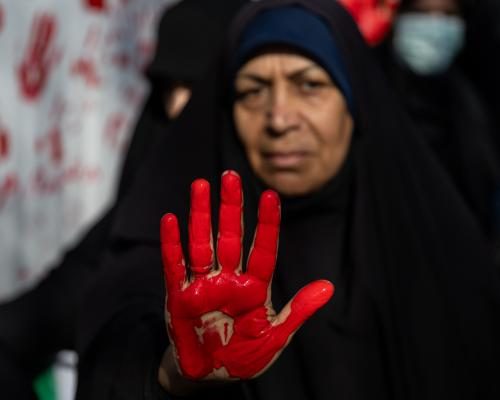
The ongoing conflict in the Middle East intensified this week as Israeli airstrikes targeted southern and eastern Lebanon, with state media reporting significant damage. Meanwhile, tensions between the United States and Iran reached new heights, as President Donald Trump claimed the war with Iran would be over 'very soon.' Iran, however, countered that it would dictate the timeline for the conflict's conclusion.
Israeli Strikes and Regional Responses
Recent Israeli military operations have led to a surge of violence in Lebanon, with strikes reported across the southern and eastern regions. The Israeli Defense Forces (IDF) have stated that their campaign aims to eliminate what they classify as 'terror targets' in Iran's capital, Tehran. This military action coincides with an alarming humanitarian situation in Lebanon, where nearly 600,000 people have been displaced due to ongoing conflicts, and reports indicate that since March 2, Israeli attacks have resulted in the deaths of 486 individuals, including 83 children. Originally reported by The Guardian.
In a parallel development, the United Arab Emirates announced that it had intercepted missile and drone attacks originating from Iran, highlighting the regional escalation of hostilities. As these events unfold, the Iranian Revolutionary Guards have issued a stern warning, stating they will not permit the export of oil from the region if U.S. and Israeli military operations continue.
Trump's Optimistic Claims Amid Ongoing Conflict
President Trump described the military engagement with Iran as a "short-term excursion" and expressed optimism that it would conclude soon, a stark contrast to earlier comments suggesting a prolonged conflict. "We've already won in many ways, but we haven't won enough," Trump stated during a press conference, indicating that the U.S. objectives would only be met once Iran's military capabilities against the U.S. and its allies are neutralized for an extended period.
Despite Trump's declarations, oil prices reacted sharply to the news, initially surging by 20% to a four-year high before settling back below $90 per barrel. This volatility reflects the precarious nature of the situation, with Iran mocking the U.S. response and branding its military campaign as "Operation Epic Mistake." Furthermore, Trump refrained from confirming whether Iran's newly appointed supreme leader, Mojtaba Khamenei, was a target, instead expressing disappointment in his leadership choice.
Australian Government Steps In for Iranian Footballers
On a different front, Australia's government has offered humanitarian visas to five members of the Iranian women's football team who were recently in the country for the Asian Cup. This decision came just hours after Trump highlighted the plight of the team on social media, urging attention to their circumstances. The group, which celebrated with chants of "Aussie, Aussie, Aussie, oi, oi, oi" upon receiving their visas, is now expected to see more of its members seeking asylum amid heightened scrutiny and concern for their safety.
However, the situation took a dramatic turn when protesters blocked a bus transporting the football players from their hotel on Australia's Gold Coast to the airport. Chanting "save our girls," the demonstrators aimed to raise awareness about the players' rights. Reports indicate that at least one player was seen in tears, leading to increased tensions between the players' supporters and law enforcement.
International Military Activity and Escalating Tensions
As the conflict intensifies, the situation in the Middle East continues to draw international attention. British Typhoon jets recently intercepted Iranian drones targeting Jordan and Bahrain, signaling the broader implications of the conflict. Additionally, Turkey confirmed that NATO defenses successfully shot down another ballistic missile within its airspace, reflecting the widespread regional instability.
In Israel, the military's aggressive strategy includes ongoing airstrikes in Beirut and operations against Hezbollah, demonstrating a commitment to addressing perceived threats from Iran's influence in the region. As large crowds in Tehran rallied in support of Khamenei, the Iranian leadership reiterated its resolve to retaliate against any aggression, setting the stage for a complex and potentially explosive confrontation.
The Middle East remains on edge as diplomatic efforts struggle to keep pace with military actions. As Trump maintains his optimistic outlook while tensions escalate, the global community watches closely, aware that the implications of this conflict could reverberate far beyond the region.
Originally reported by The Guardian. View original.