
As tensions escalate in the Middle East, EU leaders gathered in Cyprus to address the implications of potential military conflicts that may invoke mutual defense obligations under Article 42.7 of the EU treaties. Cypriot President Nikos Christodoulides emphasized the need for a strategic framework to respond effectively should any member state call for assistance during a crisis.
During the summit, scheduled to coincide with rising unrest in the region, Christodoulides noted, "We have Article 42.7 and we don't know what is going to happen if a member state triggers this article." The discussion is particularly pertinent given recent hostilities, including a drone attack on the British military base RAF Akrotiri in southern Cyprus, which officials believe was launched from Lebanon. Originally reported by The Guardian.
Following the attack, Cyprus received support from Greece, France, Spain, the Netherlands, and Portugal, which dispatched ships equipped with anti-drone technology to bolster its defense. Christodoulides expressed optimism that EU leaders now recognize the critical importance of solidifying cooperation with Middle Eastern nations through initiatives like the Mediterranean Pact, aimed at addressing various regional issues such as health, education, and energy.
Lebanon Seeks Ceasefire Extension Amid Negotiations
In a parallel development, Lebanon is reportedly seeking a month-long extension of its ceasefire with Israel as negotiations resume in Washington. The ceasefire, which is set to expire soon, follows historic talks that took place on April 14, marking the first direct dialogue between the two nations in decades. U.S. Secretary of State Marco Rubio is expected to facilitate discussions between Israeli Ambassador Yechiel Leiter and Lebanese Ambassador Nada Hamadeh Moawad, alongside U.S. Ambassador to Lebanon Michel Issa.
Lebanon's President Joseph Aoun stated that efforts are underway to extend the ceasefire and ensure a halt to Israeli military actions in contested regions. An unnamed Lebanese official indicated that the government would request not only an extension but also an explicit commitment from Israel to cease its bombardment in areas where tensions remain high.
Iran Executes OpPosition Figure Amid Ongoing Conflict
The situation in Iran adds another layer of complexity, as Iranian authorities executed Soltanali Shirzadi Fakhr, a man convicted of ties to the exiled opposition group Mujahideen-e-Khalq and for alleged collaboration with Israeli intelligence. This execution was confirmed by Mizan, the judiciary's news outlet, which stated that the supreme court upheld his death sentence after due legal processes were completed.
This event underscores the Iranian regime's ongoing crackdown on dissent amid its involvement in the regional conflict. The execution has drawn condemnation from various human rights organizations, highlighting the Iranian government's increasingly authoritarian measures in response to both internal and external pressures.
Market Reactions to Middle East Developments
Financial markets across Asia responded to the latest developments with a notable downturn, as major indices in Tokyo, Hong Kong, Shanghai, Sydney, Singapore, and Wellington all reported declines. Conversely, Seoul's market surged by more than 1%, propelled by a robust rally in the tech sector, which has been a driving force behind the Kospi index's performance this year.
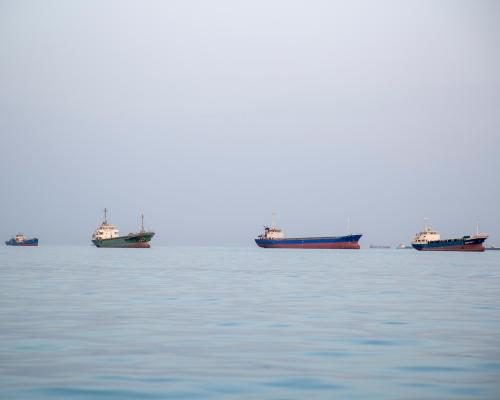
Oil prices remain a focal point of concern, with Brent crude oil trading above $100 per barrel. After a brief spike to over $105, prices have stabilized around $103, reflecting market jitters over the ongoing conflict. The situation in the Strait of Hormuz has further exacerbated these concerns, particularly following the Iranian Revolutionary Guards' seizure of two vessels, which they alleged were involved in maritime violations.
In response to the vessel seizures, White House spokesperson Karoline Leavitt clarified that the U.S. does not view these actions as violations of the ceasefire agreement with Iran, as the ships involved were neither American nor Israeli. She stated, "No, because these were not US ships, these were not Israeli ships. These were two international vessels."
The upcoming discussions among EU leaders and Middle Eastern representatives are critical, not only for immediate conflict resolution but also for laying the groundwork for future cooperative efforts in the region. As the situation evolves, the world watches closely to see how these strategic alliances will develop amid ongoing tensions.
Originally reported by The Guardian. View original.