
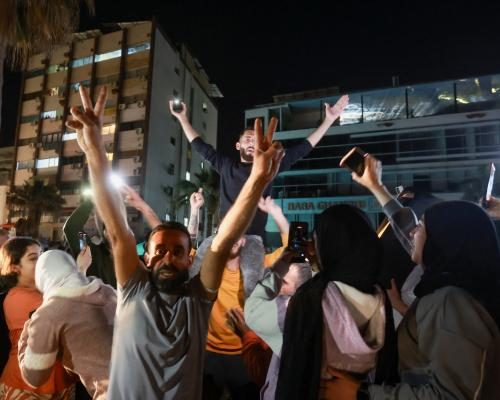
In a significant development in the Middle East, United Nations Secretary-General António Guterres has called for the full respect of a newly announced 10-Day Ceasefire between Israel and Lebanon, which came into effect at midnight on Thursday. The truce follows intense conflict that has resulted in over 2,100 deaths in Lebanon and displaced more than 2.1 million people, primarily due to Israeli airstrikes targeting the Iranian-backed Hezbollah militia.
Trump's Optimism on Ceasefire
Former US President Donald Trump expressed his optimism on the ceasefire through a post on Truth Social, stating, "May have been a historic day for Lebanon. Good things are happening!!" Trump, who claims to have facilitated the agreement, emphasized the importance of meaningful discussions between the leaders of Israel and Lebanon. Both Prime Minister Benjamin Netanyahu and President Joseph Aoun have welcomed the ceasefire, though the long-term effectiveness remains uncertain. Originally reported by The Guardian.
Guterres, through spokesperson Stephane Dujarric, commended the role of the United States in brokering the ceasefire. He expressed hope that the pause in hostilities would lead to fruitful negotiations aimed at achieving lasting peace in the region. The UN chief's comments underscore the urgency of stabilizing the situation as continued skirmishes could derail any progress made during the ceasefire.
Ceasefire Terms and Immediate Reactions
The ceasefire agreement, as outlined by the US State Department, restricts Israel from conducting offensive military operations in Lebanon while allowing for self-defense actions against imminent threats. However, this provision raises concerns about how both sides interpret the terms, given their historical conflicts. Netanyahu labeled the ceasefire a "historic" opportunity for peace but reiterated his commitment to maintaining an expanded military presence in southern Lebanon, citing security threats.
"We are remaining in Lebanon in an expanded security zone," Netanyahu stated, emphasizing the need to prevent further attacks. His government's stance remains firm, insisting on the dismantling of Hezbollah as a key condition for any long-term peace. This insistence clashes with Lebanon's demands for the complete withdrawal of Israeli forces and the safe return of displaced citizens to their homes.
Warnings and Cautions from Military Leaders
The Lebanese Armed Forces have cautioned displaced residents against returning to their homes too quickly, advising restraint due to potential ongoing hostilities. The military warned of intermittent shelling in the region, which could pose dangers to returning civilians. Hezbollah echoed these sentiments, urging caution as Israel has a history of violating ceasefire agreements.
Just hours before the ceasefire took effect, exchanges of fire continued between Israeli forces and Hezbollah, demonstrating the fragile nature of the truce. The Israeli military reported targeting over 380 Hezbollah positions in southern Lebanon, including rocket launchers and command centers, in a last push to weaken the militia. Meanwhile, airstrikes on various Lebanese towns resulted in numerous casualties, including a deadly strike on the town of Ghazieh that killed at least seven people and injured 33.
International Responses and Future Implications
Iran's Foreign Ministry welcomed the ceasefire, asserting that it aligns with an earlier Iran-US agreement facilitated by Pakistan. Spokesperson Esmail Baghaei reiterated the necessity for a regional ceasefire and called for the full withdrawal of Israeli forces from southern Lebanon. His comments reflect Iran's ongoing support for Hezbollah and its influence in the region.
The unfolding events in the Middle East are being closely monitored as the ceasefire represents a critical moment for both countries. The potential for negotiations hinges on adherence to the truce, but the real test will be whether both sides can manage their military responses while engaging in dialogue. The international community remains hopeful that this ceasefire can serve as a stepping stone toward lasting peace.
As the situation develops, the focus will remain on the ceasefire's durability and the prospects for peace talks. With both Israel and Hezbollah maintaining their rights to defensive actions, the potential for renewed conflict looms large. Observers are keenly aware that the path to lasting stability in Lebanon and Israel is fraught with challenges, but the current ceasefire provides a glimmer of hope for a more peaceful future.
Originally reported by The Guardian. View original.