
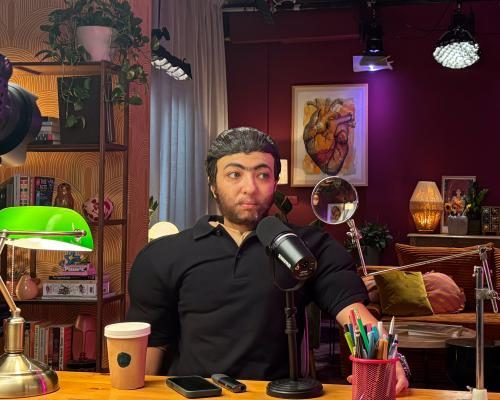
In Beirut's vibrant Gemmayzeh neighborhood, a rented apartment has been transformed into a lively film set where the third season of the hit feminist series Smatouha Minni (You Heard It From Me) is under production. The show, which cleverly parodies patriarchal narratives, features Maria Elayan, who takes on a strikingly different appearance in a padded muscle suit, a slicked-back wig, and a beard. As she delivers a punchline-"If your wife asks you to change the diapers, you should change her"-her performance takes aim at the growing influence of misogynistic ideologies in the region.
Challenging Misogynistic Narratives
The sketches in Smatouha Minni serve as a comedic critique of the patriarchal attitudes that have seen a resurgence in Lebanese society. Amanda Abou Abdallah, the show's Lebanese founder, co-writer, and director, notes that these traditional views are being amplified by a backlash against the increasing visibility and independence of women. "Patriarchal attitudes have always existed," she explains, "but what we're seeing now is a re-intensification-a backlash against women's growing participation, independence and public voice, especially online." Originally reported by The Guardian.
Among the troubling ideologies gaining traction is the so-called "red pill" theory, popularized by figures like Andrew Tate. This doctrine portrays men as victims of a feminist social structure and advocates for a reclaiming of power through dominance. Podcast hosts like Dr. Abdullah Mohammed, who runs a show called Be A Man with 749,000 Instagram followers, promote rigid gender roles and suggest that instead of sharing household responsibilities, men should marry a second wife to alleviate domestic burdens. Such views contribute to a culture where women are often dehumanized.
Addressing Taboo Topics in a Cultural Context
Elayan, who has been part of the project since its inception in 2020, highlights the significance of addressing taboo subjects in a culturally relevant manner. "When I was younger, there was a lot of secrecy surrounding taboo subjects, especially those affecting women," she recalls. Issues like sexual health, harassment, and domestic violence were often shrouded in stigma. Abou Abdallah echoes this sentiment, stating that while feminist discourse is often available in English, it doesn't resonate with the collectivist culture prevalent in the Arab world.
"Western feminist models are often incredibly individualist, so they do not map neatly onto our local reality," she explains. This gap in representation motivated Abou Abdallah to launch Khateera, the media house behind Smatouha Minni, with the support of the NGO Womanity, which focuses on media solutions to gender inequality. The series is distributed on YouTube, allowing for longer, nuanced storytelling that combines satire with a deeper exploration of societal issues.
Impact and Audience Engagement
The show's approach has resonated with viewers, especially young women who find themselves navigating a complex social landscape. The first season, which premiered in June 2020, sparked immediate engagement, with viewers sharing how the episodes shifted their perspectives and equipped them with the vocabulary to challenge harmful norms. Elayan emphasizes the importance of creating a supportive environment for the audience. "I always make sure they know they're not alone," she says, while also guiding them towards professional help when necessary.
The second season further solidified the show's fanbase, with each episode serving as a platform for discussion on gender roles and societal expectations. The creators have carefully crafted their content to ensure it's both entertaining and thought-provoking. "Once we make someone laugh, we have disarmed any potential defensiveness and can introduce new ideas," Abou Abdallah states.
As Smatouha Minni continues to evolve, it remains a vital voice in the discourse on gender equality in the Arab world. The series not only entertains but also educates, challenging viewers to reflect on their beliefs and societal norms.
Originally reported by The Guardian. View original.