
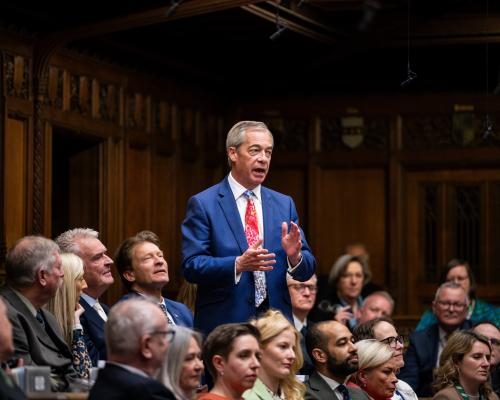
The UK government's recent overhaul of political donation regulations is poised to significantly Impact Reform UK, particularly in its fundraising efforts. Labour MPs have expressed satisfaction with these new measures, which aim to limit the influence of overseas donors on British elections. Notably, Christopher Harborne, a Thailand-based billionaire, has been a major financial backer of Reform UK, and under the new rules, his contributions may be curtailed.
Labour MPs Celebrate New Measures
Labour MPs are reveling in the government's decision to implement reforms that could greatly hinder Reform UK's ability to attract large sums from overseas sources. A Labour backbencher remarked, "It's a win-win. We stop [Reform] being able to raise so much money from people based abroad and highlight one of their biggest weaknesses - taking money from billionaires based offshore." This sentiment reflects a broader belief among Labour figures that limiting foreign contributions enhances the integrity of the electoral system. Originally reported by The Guardian.
The independent report by Philip Rycroft, which underpins these reforms, emphasizes the importance of safeguarding UK elections from foreign interference. Recommendations include banning cryptocurrency donations and imposing caps on foreign contributions. Communities Secretary Steve Reed underscored the seriousness of foreign influence, stating, "In the light of the gravity of the issues raised in the report, I am not prepared to allow any window of opportunity in which malign actors based overseas can funnel dark money into our politics."
Political Calculations Behind the Reforms
While the reforms are framed as necessary for electoral fairness, they also represent a calculated political strategy by the government. Historically, political fundraisers have been cautious about imposing restrictions that could limit their own fundraising capabilities. Previous Labour administrations had hesitated to tighten donation rules due to a hope that wealthy donors might emerge to support the party, which traditionally relies on funding from trade unions and a smaller pool of UK-based benefactors.
However, the emergence of substantial donations to Reform from Harborne, totaling £12 million, has shifted the conversation. Concerns about the party's integrity were further exacerbated by the conviction of former Reform politician Nathan Gill for accepting bribes linked to a Russia-associated figure. These developments have prompted Labour to reconsider its stance on donation regulations, signifying a potential turning point in how political financing is approached in the UK.
Reform UK's Response and Future Implications
Despite the significant blow to their fundraising strategy, Reform UK has not launched a widespread public outcry against the new measures. This subdued response indicates a recognition that drawing attention to the issue may not generate much sympathy from the public. Notably, party leader Nigel Farage has remained largely silent on the matter, which could reflect a strategic decision to avoid further scrutiny.
Richard Tice, the party's deputy leader, expressed his thoughts on the situation during a recent interview, stating, "This shows the government is trying to stop the incredible progress of Reform, and cryptocurrencies are a perfectly legitimate way of investing, of earning within the law." He added that the government seems "absolutely petrified" of Reform's upward trajectory. Yet, the lack of a vigorous response from Reform UK may suggest an understanding of the political landscape and the potential backlash they might face if they appear to be defending offshore donations.
Looking Ahead: Potential for Further Restrictions
While the current reforms specifically target foreign donations, Labour figures have hinted at the possibility of extending restrictions to contributions from UK sources. The measures laid out in the Rycroft report are currently limited in scope, focusing on foreign interference. However, further changes, such as imposing caps on individual donations or increasing transparency for smaller contributions, are not off the table.
For many in the Labour party, the urgency of these reforms stems from a commitment to democratic fairness. The concern about large sums flowing into Reform UK's coffers highlights the broader implications of political funding in the UK. As the government moves forward with these reforms, it remains to be seen whether they will take additional steps to regulate domestic donations, potentially reshaping the political fundraising landscape altogether.
Originally reported by The Guardian. View original.