
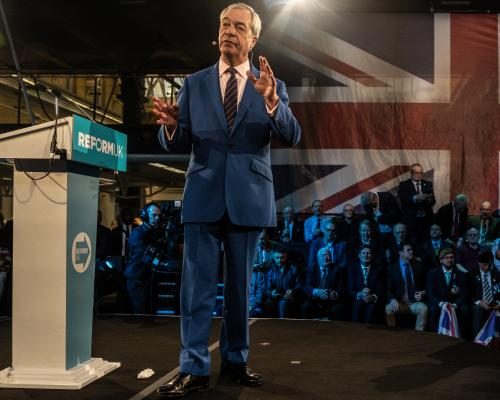
A recent government review has proposed significant changes to how political funding is regulated in the UK, recommending caps on donations from British citizens living abroad and a temporary ban on cryptocurrency donations. These measures, outlined by Philip Rycroft, a former permanent secretary at the Home Office, could significantly impact Reform UK, a party that has recently received substantial funding from overseas sources.
Proposed Caps on Overseas Donations
The review suggests that political donations from British citizens residing outside the UK should be limited to between £100,000 and £300,000 annually. This recommendation comes amid concerns about foreign interference in British Politics, particularly from countries like Russia, China, and Iran. Rycroft noted that donations from abroad are often harder to trace, raising questions of transparency and accountability. Originally reported by The Guardian.
Reform UK has been notably dependent on overseas funding, having secured approximately £12 million in the past year alone from various donors, including Christopher Harborne, a Thailand-based investor. The proposed cap aims to level the playing field, as overseas donors are not subjected to the same tax obligations as domestic contributors. Rycroft emphasized, "the investigatory route is more complex for the Electoral Commission and other authorities of malfeasance is suspected."
Temporary Ban on Cryptocurrency Donations
In addition to capping overseas donations, Rycroft's review recommends a temporary moratorium on cryptocurrency donations. He acknowledged that while a full ban may not be necessary, such a pause would allow regulatory bodies to better understand and manage the potential risks associated with crypto funding. Rycroft stated, "there is a risk that crypto assets are used as a vehicle to channel in foreign money," which could further complicate efforts to ensure the integrity of political financing.
The review's focus on cryptocurrency is particularly timely, as the political landscape has seen an increase in digital donations. Reform UK has previously accepted some donations in crypto, though none have been reported above the £11,180 threshold that triggers public disclosure.
Concerns Over Foreign Influence
Rycroft's findings were largely driven by recent events that highlighted the vulnerabilities within the UK political funding system. The conviction of Nathan Gill, a former Reform UK politician, for accepting bribes from sources linked to Russia underscored the need for stricter regulations. Rycroft expressed a measured urgency in his report, stating, "I am not pressing the panic button but I am ringing the alarm bell" regarding the risks posed by foreign interference.
He pointed out that foreign donations could potentially lead to undue influence from hostile states or even allied nations. For instance, he raised concerns about the implications of wealthy foreign nationals, such as Elon Musk, attempting to invest in British politics. The review also suggested examining how foreign-based betting companies might impact political gambling markets and the potential for biased polling from overseas actors.
Broader Regulatory Recommendations
Aside from the proposed caps and bans, Rycroft's review includes several additional recommendations aimed at tightening the regulatory framework surrounding political donations. These include requiring third-party campaigners to disclose contributions year-round, enhancing scrutiny of the origins of funds, and preventing donations from shell companies. He also suggested that the threshold for declaring donations, currently set at £11,180, should be lowered to improve transparency.
Another notable recommendation is to require foreign consultant lobbyists to register officially, as they currently enjoy an exemption from VAT charges. By imposing stricter regulations, Rycroft aims to create a more equitable and accountable political financing environment.
As the government prepares to address these recommendations in an upcoming elections bill, it remains to be seen how these changes will reshape the funding landscape for political parties in the UK. The proposed measures could significantly alter the financial dynamics, particularly for parties like Reform UK that have relied heavily on overseas contributions.
The call for reforms reflects a growing recognition of the need to safeguard the integrity of the UK's democratic processes. With the spotlight on foreign influence and the complexities of modern political financing, Rycroft's review may pave the way for a more transparent and equitable political funding system in the UK.
Originally reported by The Guardian. View original.