
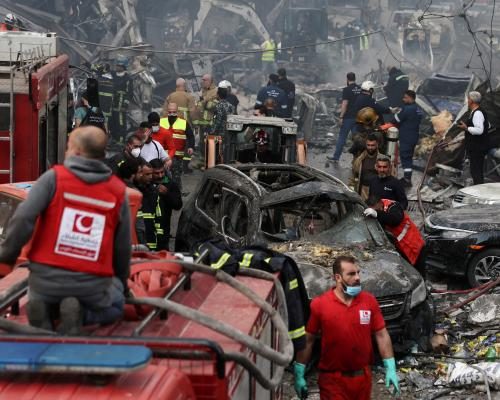
The ongoing crisis in the Middle East escalated on Thursday as Israeli airstrikes on Lebanon resulted in a devastating toll of at least 254 lives, according to Lebanon's Civil Defence. The strikes have drawn strong condemnation from humanitarian organizations, including the Red Cross, which expressed outrage over the extensive death and destruction in densely populated areas. This surge in violence complicates the fragile ceasefire between the United States and Iran, as tensions escalate in the region, particularly concerning the strategic Strait Of Hormuz.
Traffic Through the Strait of Hormuz Remains Unchanged
Despite claims from the White House of increased shipping traffic through the Strait of Hormuz following a U.S.-announced ceasefire with Iran, independent analysts have reported no change in the number of vessels transiting this critical waterway. The maritime intelligence firm Windward stated that only 11 ships passed through the strait on Wednesday, mirroring figures from previous days. All vessels must coordinate with Iranian authorities for safe passage, who have instituted hefty tolls of up to $1 per barrel for outbound oil, payable in cryptocurrency. Given that the largest supertankers can carry up to 3 million barrels, these costs are substantial. Originally reported by The Guardian.
Furthermore, Iranian radio broadcasts have warned that any vessels transiting without approval could face attacks. The situation in the Strait of Hormuz is precarious, particularly in light of Iran's threats to shut down the chokepoint if Israeli strikes on Lebanon continue. The delicate balance established by the ceasefire is hanging by a thread as both Washington and Tehran claim to have achieved victories, only to see the situation deteriorate rapidly.
Escalating Violence and Humanitarian Crisis
Israel's military has intensified its bombardment of Lebanon, marking its heaviest strikes on the nation since Hezbollah joined the conflict in early March. Reports indicate that Israeli forces targeted areas in central Beirut, leading to scenes of chaos and fear among the civilian population. United Nations rights chief Volker Turk described the scale of casualties as "horrific," while the Red Cross condemned the attacks and their impact on densely populated regions.
Hezbollah responded by launching rockets into northern Israel, citing Israeli ceasefire violations. Iran's Revolutionary Guards have also issued warnings, declaring their intent to "fulfil our duty and deliver a response" if Israel does not halt its offensive operations in Lebanon. The ongoing conflict has raised fears of a broader escalation, with Israeli Prime Minister Benjamin Netanyahu asserting that the country is ready to confront Iran if necessary, indicating that Israel has specific objectives yet to be completed, particularly the disarmament of Hezbollah.
International Diplomacy and Ceasefire Negotiations
As violence rages, high-stakes diplomatic talks are set to take place in Pakistan on Friday, with the reopening of the Strait of Hormuz being a central topic. Iranian officials have announced alternative routes for ships traversing the strait, citing risks from sea mines in the main shipping lanes. This move underscores the growing urgency for safe passage amid the ongoing military tensions.
The U.S. administration has clarified that Lebanon is not part of the ceasefire agreement, with White House Press Secretary Karoline Leavitt stating that this has been communicated to all involved parties. U.S. Vice President JD Vance reinforced this message, suggesting a misunderstanding may have led Iran to believe Lebanon was included. Meanwhile, President Emmanuel Macron of France has urged both the U.S. and Iranian leaders to consider incorporating Lebanon into the ceasefire discussions, reflecting the international community's concern over the escalating violence.
Continued Readiness of U.S. Forces
U.S. Defense Secretary Pete Hegseth has reiterated that American forces remain on high alert should the conflict escalate further. The Pentagon's readiness underscores the seriousness of the situation, as military actions continue to unfold in the region. As the rhetoric heightens, the potential for miscalculation remains a pressing concern, particularly with Israel's ongoing military objectives and Iran's warnings about possible repercussions.
In light of these developments, the international community watches closely, hoping for a de-escalation of tensions and a return to dialogue. The fragile ceasefire presents an opportunity for negotiations, but the recent violence has raised significant doubts about its sustainability. As leaders engage in discussions, the path forward remains uncertain, with the shadow of conflict looming over the region.
Originally reported by The Guardian. View original.