
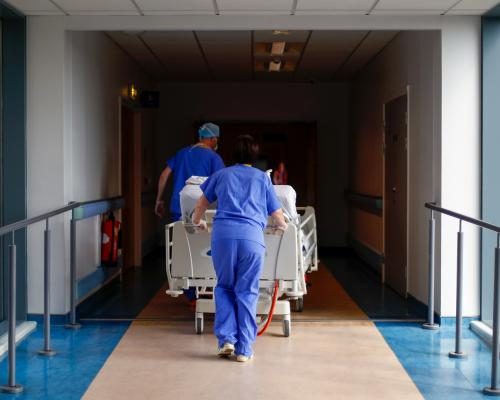
In a striking revelation, the UK Covid-19 inquiry has published its latest findings, shedding light on the pandemic's profound impact on the National Health Service (NHS). The report, released yesterday, describes a health service that "teetered on the brink of collapse," narrowly avoiding total breakdown thanks to the "almost superhuman efforts" of its staff. Inquiry chair Heather Hallett emphasized that while healthcare systems "coped, but only just," this contradicts earlier claims by Conservative ministers that the NHS had remained unscathed during the crisis.
Insights from Bereaved Families
For families who lost loved ones during the pandemic, the inquiry's language carries significant weight. Naomi Fulop, a healthcare academic and member of Covid-19 Bereaved Families for Justice UK, shared her group's expectations from the inquiry. "We campaigned for the inquiry, so it is really important to us that it comes out with what's needed," Fulop stated. The group felt vindicated by earlier reports that effectively diagnosed the critical failures in the UK's pandemic response. Originally reported by The Guardian.
Fulop noted the emotional toll on families who participated in the inquiry, recounting her own experience of providing evidence. "I have to say it was one of the most nerve-racking things I've ever done.. it felt like a huge weight on my shoulders to get it right. I didn't want to let people down," she explained. The testimony of bereaved families was crucial in ensuring that overlooked issues, such as the controversial use of 'Do Not Attempt Cardiopulmonary Resuscitation' orders, received the attention they deserved.
Addressing NHS Vulnerabilities
A central theme of the inquiry's findings is the NHS's lack of preparedness for a pandemic. Fulop pointed out that years of austerity had left the health service without the necessary capacity to respond effectively. "The underlying issue about the NHS is that it was absolutely unprepared, in the sense that it did not have the capacity required to meet a pandemic," she emphasized. This lack of resilience not only affected the pandemic response but has left the NHS in a precarious state even now.
In fact, Fulop argued that the NHS is currently in a worse condition than it was prior to the pandemic. As the inquiry progresses, it is essential that its recommendations focus on strengthening the NHS's capacity and resilience to better prepare for future health crises. "The recommendations from the inquiry need to point to strengthening the capacity and resilience of the NHS in order that it can face another pandemic, which, as we all know, is not a case of if, but when," she warned.
Rejecting Misleading Claims
Fulop also expressed the importance of the inquiry refuting claims made by ministers during the pandemic, specifically the assertion that the NHS was not overwhelmed. "It absolutely, clearly was," she asserted. The inquiry has gathered compelling evidence from bereaved families and NHS staff, illustrating the strain on the health service during the height of the pandemic. These testimonies are critical for establishing a historical record that accurately reflects the challenges faced by healthcare workers and the systemic issues within the NHS.
In addition to staffing and funding issues, Fulop highlighted the need to address cultural and human factors within the NHS that contributed to the crisis. The inquiry has the potential to catalyze significant change, but only if it takes a comprehensive approach to understanding and documenting the full spectrum of the NHS's challenges during the pandemic.
Looking Ahead: A Call for Change
As the inquiry continues, the stakes remain incredibly high not just for those who lost loved ones, but for the future of the NHS itself. Fulop and other advocates are pushing for the implementation of a Hillsborough Law, which they argue would reduce the time and costs associated with public inquiries while ensuring greater transparency and accountability from public bodies. This could mark a significant step toward reforming how the NHS operates in times of crisis.
In summary, the latest findings from the UK Covid-19 inquiry paint a troubling picture of an NHS that was unprepared and overwhelmed during the pandemic. The revelations serve as a sobering reminder of the need for systemic change to bolster the health service against future challenges. With the voices of bereaved families playing a crucial role in shaping the inquiry's outcomes, there remains hope for a more resilient and accountable NHS.
Originally reported by The Guardian. View original.