
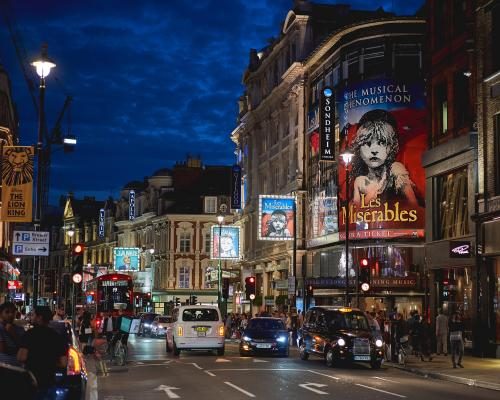
The British theatre scene remains vibrant, with 37 million attendees last year, yet financial strain looms over the industry. The West End outperformed Broadway in 2025, attracting 3 million more visitors. Star-studded events like the Olivier Awards, featuring luminaries such as Rosamund Pike and David Harewood, continue to draw crowds, highlighting the allure of live performances. However, increasing costs and accessibility concerns threaten the sector's stability.
Strong Attendance Coupled with Financial Challenges
Despite the impressive attendance figures, a recent report from UK Theatre and the Society of London Theatre reveals a troubling paradox. The theatre industry is experiencing robust demand, yet its financial health hangs in the balance. The report indicates that while 37 million people attended performances in the UK last year, many theatres are grappling with rising operational costs and the impact of inflation. This has led to a significant decline in real-terms ticket prices since 2019, as theatres strive to keep shows affordable. Originally reported by The Guardian.
According to the report, theatres have absorbed inflationary pressures rather than passing them onto consumers, which has sustained audience access but at the expense of profit margins. Alarmingly, a third of organisations in the sector anticipate operating deficits this year. Although West End revenue surpassed £1 billion, the question of long-term viability remains, with the report stating: "Demand is strong. Talent is abundant. What is at stake is scale, access, and long-term resilience."
The Rise of Celebrity Casting
One notable trend highlighted by Arifa Akbar, the chief theatre critic for The Guardian, is the increasing reliance on celebrity casting. This shift is reshaping the landscape of British theatre, with well-known film and television stars dominating roles that were once filled by trained theatre actors. Akbar points out that the environment has become so competitive that many talented actors are forced to seek alternative employment, leaving them feeling sidelined.
"It's not the occasional Hollywood name any more," Akbar observes. "It's dominating theatre - and bleeding into subsidised theatre too." This trend transforms the theatre-going experience, as audiences often come more to see the celebrities than the actual performances. Reflecting on her experience, Akbar recalls seeing Sarah Jessica Parker and Matthew Broderick in a show, where the audience's excitement stemmed more from their presence than the production itself.
Ticket Prices and Accessibility Concerns
As the theatre landscape evolves, ticket prices have surged, creating a barrier for many potential attendees. Akbar notes that what was once a shocking price of £350 for a ticket has now become normalized, raising concerns about who can afford to enjoy live theatre. "Now nobody seems to bat an eyelid," she states, emphasizing the shift in public perception regarding ticket pricing.
This increase raises essential questions about accessibility and representation within the theatre community. With ticket prices reaching new heights, many individuals may find themselves priced out of the experience, leading to a less diverse audience. The growing financial strain on both theatres and patrons raises the critical issue of how to maintain a thriving cultural scene while ensuring it remains accessible to all.
The Future of British Theatre
The current state of British theatre illustrates a complex landscape marked by vibrant attendance and troubling financial realities. While the allure of star power and captivating performances continues to draw in audiences, the underlying economic pressures threaten to undermine the industry's foundation. As Akbar points out, the need for balance between celebrity influence and nurturing homegrown talent is crucial for the future of the sector.
As the theatre community navigates these challenges, it faces a pivotal moment that could reshape its identity. The industry must strike a balance between attracting audiences and ensuring that the rich tapestry of talent is not lost in the pursuit of profit. The future of British theatre will depend on its ability to adapt, innovate, and remain inclusive, ensuring that it continues to thrive in a rapidly changing economic landscape.
Originally reported by The Guardian. View original.