
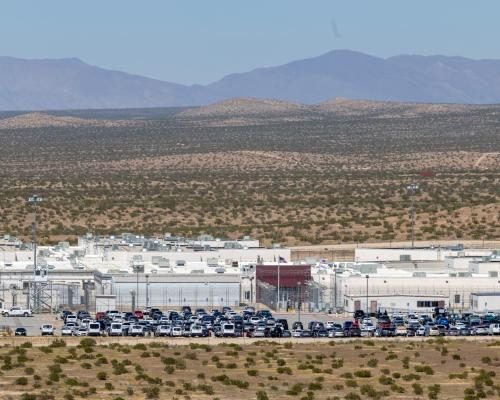
The family of Everlee Wihongi, a 37-year-old New Zealand woman detained by U.S. Immigration and Customs Enforcement (ICE), is urgently seeking assistance from the New Zealand government to secure her release. Wihongi has reportedly been confined in a room with 46 other detainees, spending 22 hours a day in harsh conditions. Her mother, Betty Wihongi, expressed her distress to local broadcaster RNZ, describing the ordeal as devastating for both Everlee and the family.
Everlee Wihongi emigrated to the United States with her family at the age of six and currently holds a green card. The family traveled to New Zealand in March for a family celebration-a birthday party for an uncle turning 80. However, upon their return to Los Angeles on April 10, Everlee was detained. After a lengthy seven-hour wait, the family received a phone call from her, revealing that there was an issue related to a historic conviction. Originally reported by The Guardian.
Longstanding Conviction Sparks Detainment
According to Betty Wihongi, the conviction in question dates back over a decade and involves possession of marijuana. Despite this past incident, Everlee had previously traveled in and out of the United States without facing any legal issues. Her family is bewildered by the current circumstances, particularly given that she has been classified as a lawful permanent resident.
Everlee is now facing an additional six weeks in detention, as a judge has set her recall date for June 10. During this period, she has been feeling "very anxious" about her fate, as revealed by her mother. The family's emotional turmoil has been compounded by their disillusionment with the United States, a country they once considered home. "This place no longer feels like home to us, especially after seeing how my daughter's been treated," Betty stated, highlighting the psychological toll of the situation.
Government Response and Family's Plea
The Wihongi family has reached out to New Zealand's Ministry of Foreign Affairs, calling on its minister, Winston Peters, to intervene and assist in Everlee's case. Betty Wihongi has urged the government to "step up and do more," emphasizing the need for immediate action to secure her daughter's release. She believes there must be a way for the New Zealand government to assist its citizens, particularly in such distressing circumstances.
In response to the situation, the New Zealand Ministry of Foreign Affairs issued a statement indicating that it was providing support to the family of the detained New Zealander. However, due to privacy concerns, the ministry refrained from commenting on the specifics of the case and emphasized that it could not influence the immigration decisions made by other governments.
Minister Peters Addresses the Case
During a press briefing, Minister Winston Peters addressed the Wihongi case, stating that Everlee had not declared her prior conviction on her immigration paperwork. "When the form asks you to do things, complete the form accurately," he asserted. He also mentioned that staff from the ministry had been working on her case "from day one," indicating a commitment to assisting the family, albeit within the constraints of international immigration processes.
Peters further explained that the situation must be navigated through formal channels and that while the government will do its best to help, it cannot directly intervene in the immigration proceedings of the U.S. government. This response has left the Wihongi family feeling frustrated, as they seek more immediate and impactful assistance.
Broader Context of Immigration Detention
Everlee Wihongi's case is emblematic of a growing trend of foreign nationals facing interrogation, detention, and potential deportation at the U.S. border. She joins a list of individuals, including other New Zealanders and families from various countries, who have faced similar predicaments. Recent reports indicate that as of April 4, there were approximately 60,310 individuals in detention, with a staggering 468,450 deportations recorded since the Trump administration took office.
The situation raises significant concerns about the treatment of immigrants and the complexities surrounding immigration law. As families like the Wihongis navigate these challenges, the psychological burden of uncertainty weighs heavily, impacting perceptions of safety and belonging in a country that was once viewed as a refuge.
As Everlee Wihongi awaits her recall date, her family remains hopeful for a resolution and is eager for the New Zealand government to take a more proactive role in advocating for her release. The outcome of this case may not only affect the Wihongi family but could also set a precedent for how other citizens facing similar issues are treated in the future.
Originally reported by The Guardian. View original.