
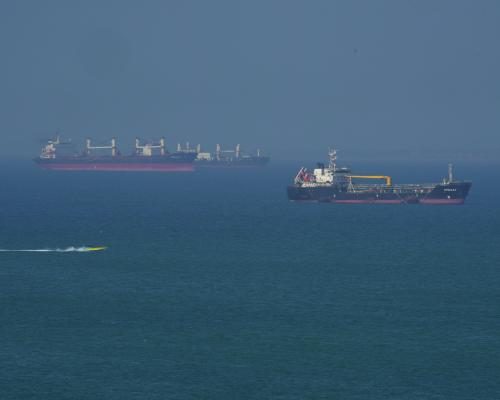
Brent crude oil prices surged above $122 a barrel on Wednesday, marking their highest level since 2022, as diplomatic efforts to resolve the US-Iran conflict faltered. The Strait of Hormuz, a vital passage for global oil shipments, remains largely inaccessible, exacerbating supply concerns and driving market volatility.
Escalating Oil Prices Amid Stalled Negotiations
On Wednesday, Brent oil achieved a remarkable one-day increase of nearly 10%, reaching a peak of $122 before settling around $120 per barrel. This spike represents the highest price point for Brent since the onset of the ongoing conflict, which has now entered its 10th week. The last time prices approached this threshold was during the turmoil following Russia's invasion of Ukraine in 2022. Originally reported by The Guardian.
Market analysts are increasingly worried as negotiations between the US and Iran to establish a ceasefire have come to a standstill. Former President Donald Trump has indicated a willingness to prolong the US Navy blockade of Iranian ports, prompting Iran to respond by effectively closing the strait of Hormuz to other oil vessels. This critical chokepoint is responsible for a significant portion of the world's oil supply, with an estimated 20 million barrels lost each day that it remains obstructed.
Implications of a Prolonged Supply Crisis
The ramifications of the current situation extend far beyond immediate price spikes. Oxford Economics has warned that if the strait remains blocked for an extended period, oil prices could skyrocket to as high as $190 per barrel by August. This projection stems from the mounting fears of a prolonged conflict and its impact on global supply chains.
In a recent analysis, economist Paul Krug, a former New York Times columnist, expressed concern that many analysts may be underestimating the potential consequences of a drawn-out crisis in the strait. "In my view, a full-on global recession is more likely than not if the strait remains closed for, say, another three months, which seems all too possible," he stated on his Substack on April 20. Such a scenario could lead to widespread economic repercussions, including soaring inflation rates and increased energy costs for consumers and businesses alike.
Global Economic Fallout from Rising Oil Prices
The escalation in oil prices is already having a profound impact on inflation rates across the globe. In March, US inflation soared to 3.3% year-over-year, largely attributed to rising fuel costs. Meanwhile, the UK faces a potential £35 billion economic setback and the possibility of entering a recession by 2026 due to the ongoing conflict, according to a recent report from a think tank.
As the US Congress scrutinizes the rising costs and strategic implications of the war, Iranian Foreign Minister Abbas Araghchi is actively seeking to strengthen support for Tehran's position. He has engaged in discussions with officials from countries like India, Kenya, and Poland, attempting to rally international backing amid the standoff with the US.
Trump's Stance and Its Market Impact
Donald Trump's recent comments have further unnerved oil markets. He emphasized that Iran "better get smart soon," suggesting a potentially prolonged conflict. During a meeting with oil executives, Trump discussed strategies to maintain the blockade for an extended period if necessary, as reported by a White House official. This has led to heightened uncertainty among traders, who fear that escalating tensions could lead to further disruptions in oil supply.
The ongoing conflict has already reshaped the geopolitical landscape, and with the strait of Hormuz under siege, the global economy is bracing for more turbulence. Historical data indicates that during the 2008 financial crisis, crude oil prices briefly reached around $147, highlighting the potential for significant spikes in response to supply shocks.
The situation remains fluid, and as diplomatic efforts falter, the possibility of continued instability looms large. As oil prices surge, consumers and industries alike will feel the ripple effects, prompting questions about the sustainability of current economic conditions and the potential for a deeper economic crisis.
Originally reported by The Guardian. View original.