
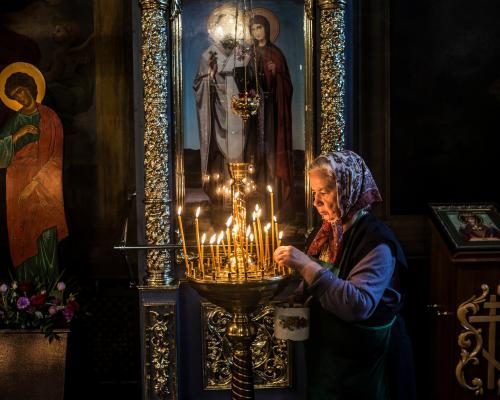
The ceasefire between Russia and Ukraine, intended to mark the Orthodox Easter, officially came to an end on Monday. The truce, which lasted for 32 hours from 4 PM (1300 GMT) on Saturday until Sunday night, has been marred by mutual accusations of thousands of violations. Despite a temporary lull in Russian air raids, both sides reported extensive breaches during the ceasefire period.
Ceasefire Violations Reported by Both Sides
Ukraine's armed forces reported a staggering 2,299 violations of the ceasefire by 7 AM on Sunday. These violations included assaults, shelling, and small drone launches. Notably, the military statement indicated that long-range drones, missiles, or guided bombs had not been used during the ceasefire period. A Ukrainian military officer further claimed that Russian forces continued to engage their positions, undermining the purpose of the truce. Originally reported by The Guardian.
In response, Russia's defense ministry claimed that it had documented 1,971 violations attributed to Ukrainian forces, which included drone strikes. Additionally, Vyacheslav Gladkov, the head of Russia's Belgorod region, reported the tragic discovery of two civilian bodies in the aftermath of a Ukrainian attack that occurred on Saturday afternoon. These ongoing hostilities highlight the fragile nature of the temporary ceasefire.
Political Dynamics Surrounding the Ceasefire
The ceasefire was initially proposed by Ukrainian President Volodymyr Zelenskyy more than a week prior, and Russian President Vladimir Putin ordered it just days before its commencement. Despite the leadership from both nations in advocating for a peaceful respite during the Orthodox Easter, the agreement's effectiveness was severely limited, reminiscent of a similar ceasefire last year that ultimately failed to hold.
As the ceasefire expired, President Zelenskyy turned his attention to Hungary, congratulating Peter Magyar on his significant victory in parliamentary elections. Zelenskyy expressed a willingness to collaborate with Hungary's new leadership for the mutual benefit of both nations, emphasizing the need for peace, security, and stability in Europe. However, the European Union is closely monitoring how Magyar's administration will reshape Hungary's stance on Ukraine, especially given Prime Minister Viktor Orbán's history of complicating EU support for Ukraine while maintaining close ties with Russia.
Future of Military Engagements in Ukraine
Kremlin spokesperson Dmitry Peskov indicated that Russian troops would continue their military operations in Ukraine following the conclusion of the Easter ceasefire. According to Peskov, there remains a need for Russian forces to gain control over 17-18% of Ukraine's contested Donetsk region. This assertion suggests that Moscow remains committed to its military objectives despite international calls for peace.
The end of the truce underscores the ongoing volatility along the 1,200 km (745-mile) frontline, where skirmishes have persisted since Russia's full-scale invasion began. The Ukrainian military's reports and Russia's counterclaims illustrate a complex battlefield narrative where both sides remain entrenched in their positions.
Ongoing Risks and Coercion in Conflict Areas
Amid the military tensions, reports emerged regarding Russian intelligence services targeting Ukrainians online, luring some with promises of financial gain or coercing them into carrying out sabotage operations against their own country. Investigative reports highlight a troubling trend where individuals are drawn into a web of deceit, further complicating the war's already intricate dynamics.
The situation remains precarious as both nations navigate a landscape fraught with accusations and military engagements. The expiration of the Easter truce has not only brought an end to a brief period of quiet but has also set the stage for renewed hostilities as both sides brace for further confrontations.
As the conflict continues, the international community watches closely, hoping for a resolution that can bring lasting peace to a region plagued by war and suffering. The need for diplomatic efforts remains critical, especially in light of the recent developments surrounding the ceasefire and ongoing military operations.
Originally reported by The Guardian. View original.