
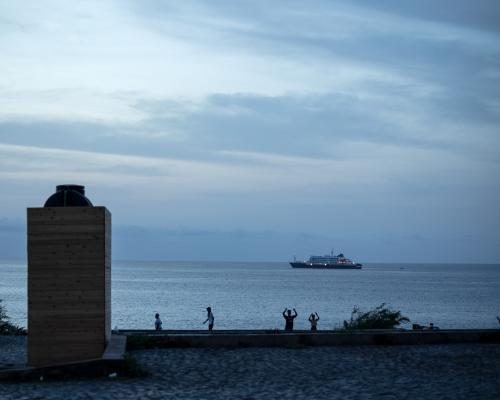
The Canary Islands government has decisively rejected the docking plans of the MV Hondius, a cruise ship plagued by a Hantavirus Outbreak. The decision, announced by Canaries president Fernando Clavijo, comes amid growing health concerns over the ship's recent travel history and its impact on public safety. The vessel was en route from Cape Verde to Europe when the outbreak was reported.
As the World Health Organization (WHO) coordinated the evacuation of three individuals from the affected cruise ship, reports emerged detailing the identification of the Andes strain of hantavirus in two passengers who had disembarked. South Africa's health minister confirmed the strain, which is capable of spreading between humans, was responsible for the infection of a Dutch woman who tragically died in Johannesburg, and a British man currently hospitalized. Originally reported by The Guardian.
Health Concerns Prompt Government Action
Clavijo emphasized that the decision to deny the Hondius permission to dock was based on insufficient information to guarantee the safety of the public. "This decision is not based on any technical criteria, nor is there sufficient information to reassure the public or guarantee their safety," he stated during an interview with the radio station COPE. The cruise ship was reportedly set to dock in Tenerife, a popular tourist destination in the Canary Islands.
The health ministry of Spain had indicated earlier that the Hondius would be allowed to enter the archipelago, but the swift reversal highlights the escalating concern surrounding the hantavirus. The Andes strain, which has been linked to close human contact, poses a relatively rare risk of transmission, yet the potential for further cases has raised alarms.
International Health Response and Evacuations
In light of the outbreak, the WHO is actively managing the evacuation of passengers, with three individuals currently being transported from the ship. As part of a broader public health response, South Africa's National Institute for Communicable Diseases conducted tests confirming the strain's presence in the patients who fell ill aboard the cruise. The swift identification of the virus underscores the need for vigilance among health authorities globally.
Additionally, Switzerland confirmed that one passenger from the cruise ship is receiving treatment in Zurich. Officials have assured the public that there is no current danger to the Swiss population, emphasizing the importance of monitoring and managing the situation as it unfolds.
Political Reactions and Military Preparedness
Amidst the health crisis, political discussions in Europe have turned towards military preparedness. Poland's Defense Minister Władysław Kosiniak-Kamysz called on NATO countries to significantly increase their defense spending, advocating for a goal of 5% of GDP by 2030. He stressed the urgency of the matter, cautioning that threats are pervasive, extending beyond traditional borders to include cyber threats.
This political backdrop coincides with a wider discourse on European security, as Kosiniak-Kamysz pointed out the need for Europe to bolster its own defense capabilities while maintaining the strategic presence of U.S. troops on the continent. He indicated that Poland aims to build a military force of 500,000 by the end of the decade, with a significant portion being professional soldiers.
Continued Vigilance Required
The unfolding events surrounding the MV Hondius serve as a reminder of the interconnected nature of health crises and international response mechanisms. As countries grapple with the implications of the hantavirus outbreak, medical professionals and health authorities are called to remain vigilant and proactive.
With the situation evolving, the Canary Islands government's stance reflects a cautious approach aimed at safeguarding public health. Clavijo's request for an urgent meeting with Prime Minister Pedro Sánchez indicates the seriousness with which local leaders are approaching this outbreak. The implications for tourism and public health safety remain significant as stakeholders navigate the challenges posed by such outbreaks in an increasingly globalized world.
Originally reported by The Guardian. View original.