
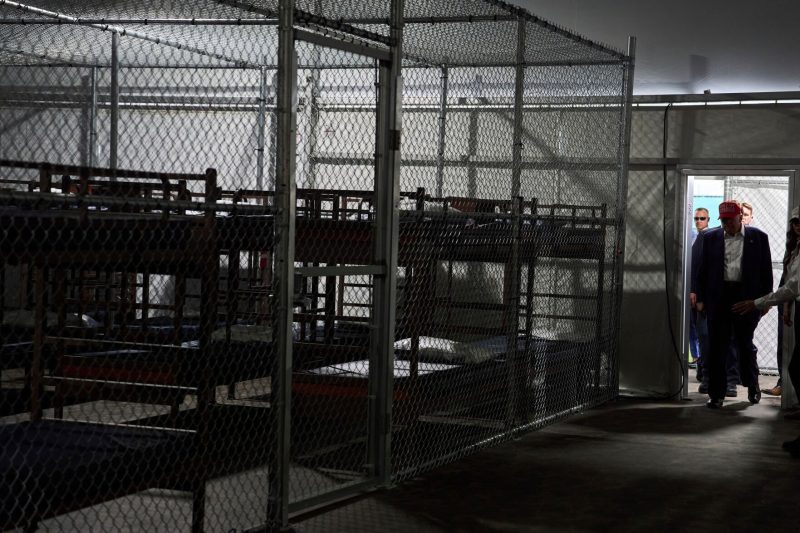
As the U.S. grapples with escalating immigration challenges, the number of detainees in Immigration and Customs Enforcement (ICE) facilities has surged past 70,000 for the first time in history. This alarming statistic sheds light on the dire circumstances faced by migrants awaiting processing in detention centers across the country.
Unprecedented Numbers in Detention
Recent reports indicate that the number of individuals held in ICE detention facilities has reached a staggering 70,000. This marks a significant milestone, as it is the highest volume recorded since the agency's inception. The surge in numbers highlights the growing pressures on the U.S. immigration system, exacerbated by changing policies and increased border crossings.
Conditions in these detention centers have come under intense scrutiny. Detainees often face overcrowding, inadequate medical care, and limited access to legal representation. Advocates for migrants have expressed deep concern over the psychological and physical toll these conditions inflict on individuals awaiting their immigration proceedings.
Long Waits and Limited Resources
Migrants are experiencing prolonged waits, with many spending months in detention. The average length of stay has increased, leading to frustrations among detainees and their families. Reports reveal that some individuals are held for over a year, trapped in a bureaucratic limbo while their cases are processed.
Access to essential resources is also a pressing concern. Many detention centers lack sufficient legal aid services, leaving migrants to navigate complex immigration laws without proper assistance. Mental health services are often inadequate, further compounding the stress and trauma faced by those in custody. Advocates argue that these shortcomings violate the basic rights and dignity of individuals seeking refuge or asylum.
Impact on Families and Communities
The ripple effects of the current immigration crisis extend beyond the detention centers. Families across the nation are feeling the impact, as loved ones remain separated for extended periods. Children are particularly affected, with many experiencing anxiety and uncertainty about their parents' fates.
Communities are also struggling to adapt to the changing landscape. Local organizations are stepping in to provide support for families affected by detention and deportation. These groups offer resources such as legal assistance, counseling, and housing support. However, the demand for these services often outweighs the resources available, leaving many families in precarious situations.
Government Response and Future Outlook
In response to the mounting crisis, the U.S. government has proposed measures aimed at addressing the growing number of detainees. Policy changes are being considered to streamline the immigration process and reduce the backlog of cases. However, critics argue that these measures are insufficient and fail to address the root causes of migration.
Looking ahead, the situation remains fluid. Advocates for migrants continue to push for reforms to ensure humane treatment and improved conditions in detention centers. As the number of individuals in ICE custody hits record highs, the need for comprehensive immigration reform has never been more urgent.
So, the plight of migrants in U.S. detention centers underscores a critical humanitarian issue. With numbers exceeding 70,000, the urgency for reform and improved conditions is paramount. As the nation navigates its immigration policies, the focus must remain on the rights and dignity of those seeking a better life.