
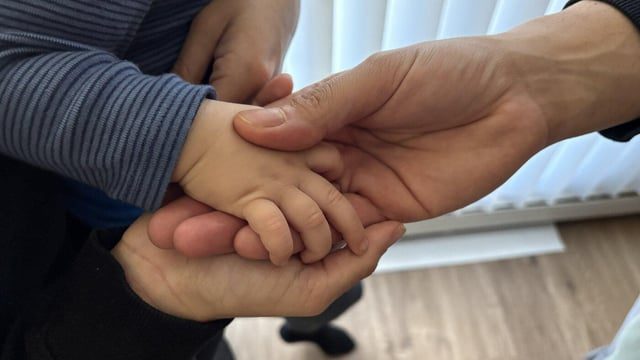
In recent years, Minneapolis has witnessed a significant rise in underground health networks designed to provide essential services to immigrant communities, especially in light of increased enforcement actions by Immigration and Customs Enforcement (ICE). This innovative approach has sparked discussions in other cities about the potential need for similar systems to ensure healthcare access for vulnerable populations.
ICE Actions Prompt Health Network Development
With ICE intensifying its operations across the United States, Minneapolis has become a focal point for immigrant health advocacy. The fear of deportation has driven many immigrants to avoid seeking medical care, leading to the creation of underground health networks aimed at bridging this gap. These networks connect undocumented individuals with healthcare providers who are sympathetic to their plight. Originally reported by r/Health.
One notable initiative is the "Health for All" program, which offers free medical services to immigrants regardless of their immigration status. This program has been vital in providing necessary health screenings, vaccinations, and preventive care. In 2022 alone, approximately 3,000 immigrant families utilized these services, demonstrating the urgent need for accessible healthcare.
Community Response and Support
The establishment of underground health networks has received overwhelming support from local organizations and advocates. Community leaders like Maria Gonzalez, executive director of the Minnesota Immigrant Health Coalition, stress the importance of these services in fostering a healthier community. "When people don't have access to healthcare, it affects not just them but the entire community," Gonzalez said. This sentiment resonates with many who have seen firsthand the consequences of untreated health issues.
Moreover, local clinics have stepped up their efforts to ensure that healthcare remains accessible to all. Many are offering sliding scale fees based on income, and some are even providing care at no cost. In the past year, participating clinics have reported a 25% increase in the number of immigrant patients seeking care.
Challenges Facing Underground Networks
Despite the success of these underground health networks, challenges remain. One significant hurdle is the lack of funding and resources. Many organizations rely on donations and grants, leading to uncertainty about their future sustainability. Additionally, the stigma surrounding immigration status often deters individuals from seeking help, even in anonymous settings.
Another issue is the ongoing threat of ICE raids, which instill fear in the hearts of those who might otherwise seek medical assistance. Health providers within these networks have reported instances where patients canceled appointments due to fears of encountering law enforcement. This has implications not only for individual health outcomes but also for public health overall, as untreated conditions can lead to wider outbreaks.
Could Other Cities Follow Suit?
The success and resilience of Minneapolis' underground health networks have prompted discussions about replicating this model in other cities with significant immigrant populations. Cities like Chicago and Los Angeles, which also have large immigrant communities, are considering similar initiatives to combat the barriers faced by undocumented individuals in accessing healthcare.
Advocates argue that the establishment of such networks could significantly improve health outcomes in these communities. "If we can ensure that everyone has access to healthcare, we can create a healthier society as a whole," noted Dr. Lisa Ramirez, a public health official in Chicago. Her comments reflect a growing consensus among health experts that inclusivity in healthcare is not just a moral imperative but also a public health necessity.
As cities across the nation grapple with the challenges of providing healthcare to all residents, Minneapolis may serve as a blueprint. The city's commitment to immigrant health through innovative solutions underscores the urgent need for equitable access to healthcare, regardless of immigration status.
Looking ahead, the push for underground health networks could gain momentum as more cities recognize the importance of inclusivity in healthcare. As communities continue to advocate for the rights of immigrants, the development of these networks may not only enhance health outcomes but also strengthen community ties and resilience in the face of adversity.
Originally reported by r/Health. View original.