
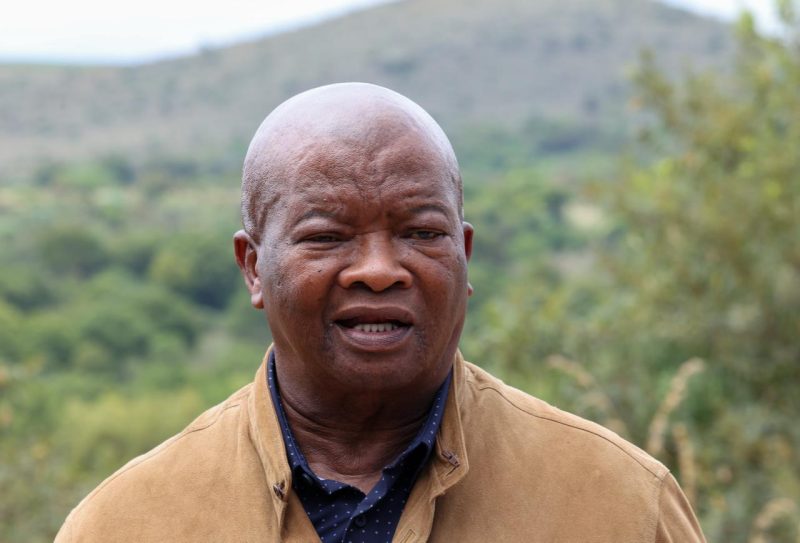
In a strategic move to combat rising crime, Deputy Defence Minister and United Democratic Movement (UDM) leader Bantu Holomisa announced that the South African National Defence Force (SANDF) will significantly bolster police efforts tackling crime in the Western Cape and Gauteng. Following President Cyril Ramaphosa's declaration on Thursday, the army's deployment signifies a new phase in addressing not only gangsterism and illegal mining but also other serious criminal activities.
Military's Expanded Role in Crime Fighting
Holomisa emphasized that the SANDF's involvement would extend beyond its current focus areas. While illegal mining and gangsterism have been pressing issues, he indicated that other crimes, including those related to illegal immigration, are now at the forefront of national security concerns. The security cluster, which includes intelligence agencies, has reported alarming levels of lawlessness, prompting the need for military intervention.
"We are restoring law and order. This operation is likely to evolve into a broader deployment, addressing key areas that require immediate attention," Holomisa stated in an interview with the Sunday Times. He cited the protection of national key points, including critical infrastructure like Eskom facilities, as a priority, asserting that the military must be proactive in safeguarding these assets. The situation has escalated to a point where the government cannot afford to ignore threats to its infrastructure and public safety.
Financial Implications of Military Deployment
Both Holomisa and Rise Mzansi leader Songezo Zibi expressed concerns regarding the financial implications of an extended military presence. Zibi estimated that the cost of an indefinite deployment could exceed R1.5 billion. Holomisa, acknowledging the financial burden, mentioned that measures are being explored to keep costs manageable. He proposed that troops be deployed from locations closer to the hotspots to minimize expenses associated with transportation and logistics.
"If this operation lasts for three to six months, it's essential we have financial backing. We need to consider where these troops will stay and whether we have military bases nearby," Holomisa explained. He highlighted the logistical challenges that accompany such deployments, including the need for adequate facilities like tents, kitchens, and ablution blocks to support the troops effectively.
A Response to Growing Crime Rates
The decision to deploy the military comes in the wake of a significant rise in crime rates across South Africa. Leaders from the coalition government met in November to discuss the alarming trends, with crime being a central focus of their discussions. Holomisa believes that Ramaphosa's announcement marks a crucial step toward confronting the issue head-on, providing an opportunity to restore public trust in law enforcement.
"No more nonsense will be allowed. This is a chance for the president to crack down on lawlessness," Holomisa asserted. His comments underscore a growing frustration among citizens regarding the state of security in the country. The government's approach aims to send a clear message that criminal activities will not be tolerated and that robust measures will be implemented to ensure safety and security.
Potential Impact on Crime Trends
As the SANDF prepares to play a more prominent role in crime prevention, observers are keenly watching how this initiative will unfold. The military's involvement could reshape the landscape of law enforcement in South Africa, particularly in areas plagued by high levels of violence and criminality. If successful, this could lead to a significant reduction in crime rates and restore public confidence in both the military and police forces.
Holomisa's commitment to addressing the crisis reflects a broader acknowledgment among government leaders of the urgent need for effective solutions. The collaboration between military and police forces may represent a turning point in how South Africa manages its security challenges. However, the efficacy of this strategy will largely depend on the execution of the deployment and the ability to address the root causes of crime, including socio-economic factors.
As the operation commences, ongoing assessments will be crucial in determining its success. If properly managed, this could not only curb crime but also lay the groundwork for a more secure future for South African communities.