
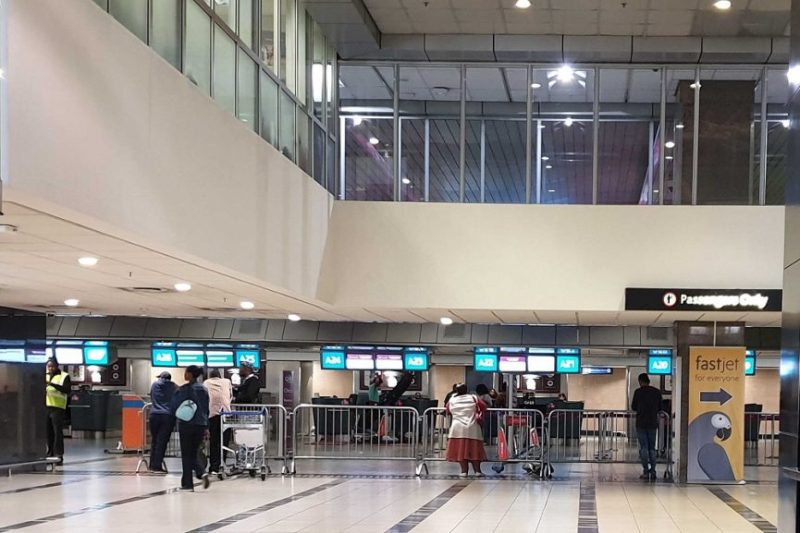
Families of four South African men rescued from Ukraine expressed profound gratitude to President Cyril Ramaphosa and Russian authorities for their safe return. The men arrived at O.R. Tambo International Airport on Wednesday, marking a significant moment after a harrowing ordeal. They were part of a larger group of 17 men who had been allegedly recruited under false pretenses, with promises of lucrative employment contracts for bodyguard training.
Misleading Promises of Bodyguard Training
According to family members, the men were led to believe they would receive bodyguard training in Russia. "It's been a very difficult time for the families," shared a representative who wished to remain anonymous. "Parents were misled into thinking these men were going for legitimate work." Instead of training, the men found themselves thrust into the conflict between Russia and Ukraine. The anxiety of families lingered as they awaited news of their loved ones, fearing the worst in a war-torn region.
One family member recounted the emotional toll of the situation. "We were relieved to communicate with them during their time away. The uncertainty was unbearable." Communication allowed families to stay connected, but the reality of the situation weighed heavily on them. The families are now grateful for the diplomatic efforts that led to the return of their relatives.
Diplomatic Efforts Yield Results
The return of the men can largely be attributed to the negotiations between South Africa and Russia. President Ramaphosa played a crucial role in securing their release. "We are thankful that both President Ramaphosa and President Putin could come to an agreement for the safe return of these men," the family member stated. Diplomatic channels were essential in resolving this tense situation, as the international community closely monitored developments.
The families' gratitude extends beyond the leaders involved; they also recognize the efforts of various organizations and individuals who advocated for their loved ones. The return of the men signifies a successful resolution, but it raises questions about the circumstances that led to their recruitment. Many families are now left to grapple with the reality that their loved ones were misled.
The Broader Context of Recruitment in Conflict Zones
This incident highlights a growing concern regarding the recruitment of individuals from various countries to participate in conflicts under misleading pretenses. Reports suggest that the allure of high-paying jobs in unstable regions can often mask the real dangers involved. The South African men, initially attracted by promises of bodyguard training, became pawns in a conflict that continues to evolve.
Security analysts warn that such recruitment practices are not isolated incidents. The ongoing war has created numerous opportunities for dubious entities to exploit vulnerable individuals. "This is a troubling trend," said a security expert. "People are being lured into dangerous situations based on misinformation." As the war in Ukraine rages on, the international community must remain vigilant against these exploitative practices.
Looking Ahead: Ensuring Safety for Future Generations
As the families celebrate the return of the four men, they also call for increased awareness and protective measures for others who may be targeted by similar schemes. "We hope that no one else has to go through what we have experienced," said a family member. "It's crucial that people understand the risks of such opportunities."
The South African government may need to implement more stringent measures to protect its citizens from exploitation abroad. As discussions surrounding recruitment practices intensify, families are left to heal from a traumatic experience while advocating for greater awareness and preventive actions. The safe return of the men serves as a reminder of the importance of vigilance and transparency in international employment practices.
In closing, while the families of the rescued men can finally breathe a sigh of relief, the story of their recruitment raises significant questions about the ethics of employment in conflict zones. The hope is that lessons learned from this incident will lead to better safeguards for individuals seeking work in foreign lands. As the world watches, the South African government's handling of this situation could pave the way for future protective measures against exploitation.