
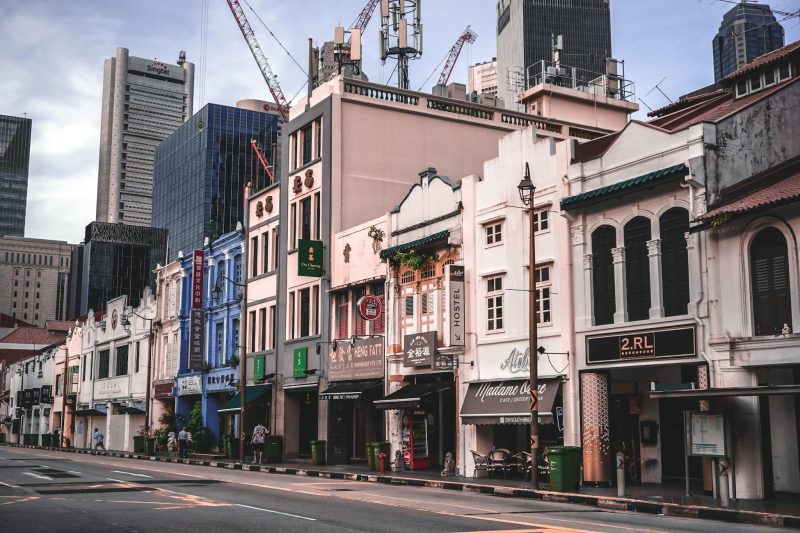
A fire erupted at a restaurant in Singapore's vibrant Chinatown on February 18, 2026, coinciding with the second day of Chinese New Year celebrations. The blaze sent thick plumes of smoke into the air, disrupting festivities and prompting a swift response from emergency services. Fortunately, there were no injuries reported, but the incident has reignited discussions about fire safety in densely populated cultural districts during peak festival periods.
Fire Erupts Amid Festive Crowd
The fire broke out during one of the busiest times of the lunar calendar, as thousands of residents and tourists flocked to Chinatown for seasonal markets, lion dance performances, and traditional meals. The area is known for its narrow streets and bustling atmosphere, making it a hot spot for celebrations. The Singapore Civil Defence Force (SCDF) was quick to respond, containing the blaze before it spread to adjacent shophouses, which are common in this historic precinct.
Initial reports indicated that the fire originated within a restaurant, though details on the specific establishment have yet to be disclosed. The SCDF's rapid action is credited with preventing a potentially disastrous situation, as the fire could have escalated in an area where buildings often share walls and are separated by tight alleys.
Historical Context of Fire Safety Concerns
This incident is not isolated. Just over a month prior, on January 2, 2026, another fire erupted at the Hong Lim food centre, a popular dining spot in the vicinity. These events have raised alarms about fire safety protocols during high-traffic periods, particularly in older commercial districts like Chinatown, where building codes may not align with modern safety standards.
The juxtaposition of festive celebrations and fire risks is stark. Chinese New Year festivities often feature open flames for cooking and fireworks, creating an inherently hazardous environment. This year, the situation was further complicated by multiple fire-related incidents across the region, including a tragic event in China's Hubei province that resulted in 12 fatalities due to a firecracker store explosion.
The Response from Authorities
While no injuries were reported in the Chinatown restaurant fire, the incident has highlighted the need for ongoing vigilance regarding fire safety in Singapore's heritage areas. The SCDF is known for its efficient response times, ranking among the fastest in the Asia-Pacific region. Their ability to contain the fire quickly is a testament to the effectiveness of their emergency protocols.
However, the frequency of fire incidents during such a busy period raises questions about preparedness among local businesses. Authorities may need to reassess safety measures, particularly in areas that attract large crowds during festivals. As the celebrations continue, the potential for accidents remains high, and fire safety education could play a crucial role in preventing future incidents.
Community Impact and Future Precautions
The impact of the fire on the community has yet to be fully assessed. Chinatown is a cultural and culinary hub, with many establishments relying on the festive season for a significant portion of their annual income. Local business owners are likely to be concerned about the implications of safety incidents on their livelihoods, especially during a time meant for celebration.
As discussions around fire safety continue, community leaders and business owners will need to collaborate with authorities to implement more stringent safety measures. This could include regular fire drills, improved building inspections, and increased public awareness campaigns about fire hazards during peak periods.
Looking ahead, the focus will be on ensuring that the vibrant celebrations of Chinese New Year can continue safely. The combination of cultural significance and commercial activity makes it imperative that the community works together to mitigate risks associated with fire hazards in such densely populated areas.