
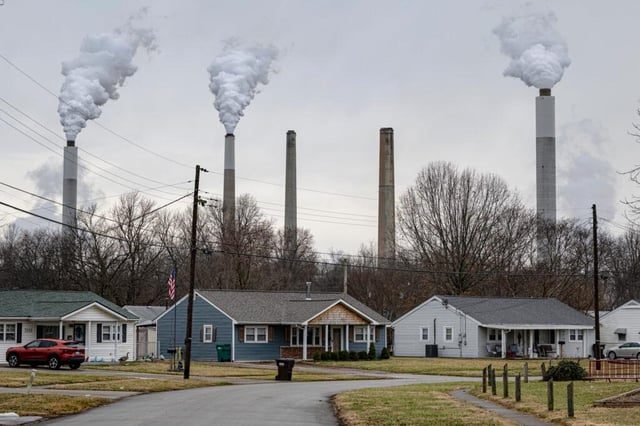
The U.S. Environmental Protection Agency (EPA) has announced a significant rollback of air pollution standards for coal-fired power plants, a move that has raised concerns among public health advocates. Effective immediately, this new regulation relaxes rules on harmful emissions, particularly sulfur dioxide (SO2) and nitrogen oxides (NOx), which are linked to respiratory problems and other health issues. Critics argue that this decision prioritizes industry interests over the health of communities that depend on clean air.
Changes to Emission Standards
Under the revised regulations, coal power plants will now have greater leeway in managing emissions of SO2 and NOx. These pollutants are known to contribute significantly to air quality degradation, leading to health complications such as asthma and cardiovascular diseases. The EPA stated that the changes aim to provide flexibility for operators in meeting federal standards, but environmental groups warn this flexibility may lead to increased pollution levels. Originally reported by r/environment.
Specifically, the new rule removes the stringent limits previously imposed on the amount of SO2 and NOx that these plants could emit. The agency argues that this adjustment reflects a shift in how emissions are measured and managed, claiming it will help utilities save money and maintain low energy prices. Yet, opponents of the rollback contend that the potential health costs associated with increased pollution will outweigh any financial savings for the energy sector.
Health Implications and Community Concerns
Public health organizations have expressed alarm over the decision, pointing out that communities near coal plants are often among the most affected by poor air quality. The American Lung Association noted that the rollback could exacerbate existing health disparities, particularly in low-income areas where residents are already at higher risk for respiratory conditions. According to a recent study, areas adjacent to coal plants have recorded higher instances of asthma attacks and related hospital visits.
"This action by the EPA shows a blatant disregard for the health of millions of Americans," said Dr. Harold P. Kahn, a public health expert. "The evidence is clear: higher emissions lead to worse health outcomes, particularly for vulnerable populations." Health advocates are mobilizing to challenge the new regulations, urging lawmakers to reconsider the decision and its potential impact on public health.
Industry Response to Regulatory Changes
Supporters within the coal industry have welcomed the EPA's decision, arguing that the rollback will allow for greater operational efficiency and economic growth. The National Mining Association praised the agency for recognizing the need for regulatory flexibility in a rapidly changing energy market. They assert that maintaining affordable electricity is crucial, especially in regions heavily reliant on coal for energy.
"This is a win for American energy jobs and the economy," said Rich Nolan, president of the National Mining Association. "By reducing regulatory burdens, we can ensure that coal remains a viable energy source for years to come." The industry believes that the new regulations will enable coal plants to compete more effectively against natural gas and renewable energy sources, although critics argue that this could come at a severe public health cost.
Political Reactions and Future Outlook
The rollback has ignited a firestorm of political debate, with environmentalists and public health advocates vowing to challenge the decision in court. Several states have already indicated plans to sue the EPA, arguing that the new regulations violate existing environmental laws designed to protect air quality. Additionally, lawmakers from both parties are weighing in, with some calling for urgent action to restore stricter standards.
"We cannot allow the EPA to compromise the health of our communities in the name of economic gain," said Senator Lisa Murkowski, emphasizing the need for a balanced approach to energy regulation. As the implications of this regulatory change unfold, it remains to be seen how it will affect both the coal industry and the health of nearby residents.
Moving forward, stakeholders from all sides will be closely monitoring the situation. The effectiveness of the new regulations in terms of economic benefits versus health impacts will likely dominate discussions as community advocates and industry leaders continue to clash over the future of coal energy in the United States.
Originally reported by r/environment. View original.