
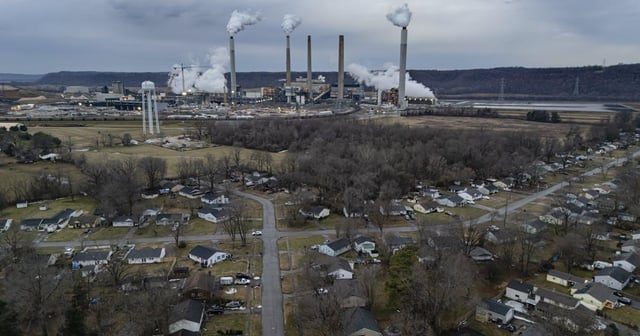
Former President Donald Trump is making controversial environmental policy decisions that could significantly impact the health of his own supporters. Recent actions aimed at loosening regulations on pesticides and mercury pollution are expected to disproportionately affect residents in predominantly red counties across the United States. This shift raises serious concerns about the potential dangers posed to communities that largely backed Trump in the past.
Pesticide Regulations Under Fire
In a move that has alarmed environmentalists, the Trump administration is advancing policies that would ease restrictions on the use of pesticides. The Environmental Protection Agency (EPA) announced plans to roll back regulations that limit the application of certain harmful chemicals. These changes come at a time when studies have shown a direct link between pesticide exposure and various health problems, including respiratory issues, cancer, and neurological disorders. Many of the communities impacted by these changes are located in agricultural regions where pesticide use is prevalent. Originally reported by r/environment.
Farmers and agricultural businesses have lauded these changes, arguing that they will increase crop yields and lower costs. However, critics point out that the long-term health risks to residents living near farms could outweigh any short-term benefits. In red counties, where many residents depend on agriculture for their livelihoods, the potential consequences of increased pesticide exposure could be dire.
Mercury Pollution Concerns
Another troubling aspect of Trump's environmental policy is the push to relax regulations on mercury emissions from power plants. Mercury is a potent neurotoxin that can have devastating effects on human health, particularly in children and pregnant women. The EPA's proposal to roll back the Mercury and Air Toxics Standards (MATS) is viewed as a significant step backward for public health.
Many red states, where coal-fired power plants are a major source of employment, stand to gain economically from these relaxed restrictions. However, the potential health impacts cannot be ignored. Studies have shown that mercury contamination can lead to cognitive impairments and developmental delays in children. As power plants increase their emissions, communities near these facilities, often in rural areas that voted heavily for Trump, may find themselves facing increased health risks.
The Disproportionate Impact on Red Counties
Research indicates that the rollback of these environmental protections will primarily impact residents in red counties, where support for Trump remains strong. The irony is stark: many of these voters may be putting themselves at greater risk due to policies that they believe will bolster their local economies. A significant portion of the population in these areas is already vulnerable, with limited access to healthcare and lower socioeconomic status.
According to recent data, counties that voted for Trump in the 2020 election are more likely to be situated near industrial sites that contribute to pollution. As the federal government loosens regulations, the cumulative effects of increased pesticide and mercury exposure could lead to severe health crises in these regions. This raises important questions about the responsibility of elected officials to protect their constituents, especially those who are most vulnerable.
Community Reactions and Future Implications
The response from community leaders and health advocates has been largely critical. Local activists are rallying to raise awareness about the potential dangers posed by these regulatory rollbacks. Many are calling for more stringent environmental protections to safeguard public health and ensure that vulnerable populations are not left to bear the burden of pollution.
As these policies unfold, the implications for public health in red counties could be profound. With many residents still supporting Trump and his administration's decisions, there's a growing sense of discord between political allegiance and personal well-being. Advocacy groups are pushing for more transparency and accountability in environmental policy decisions, arguing that the health of communities should take precedence over economic interests.
The long-term effects of these policy changes remain to be seen. As awareness grows about the dangers of increased pesticide use and mercury pollution, it is crucial for voters in red states to reassess the implications of supporting policies that may jeopardize their health. The intersection of politics and environmental health is becoming increasingly complex, and the stakes are higher than ever.
Originally reported by r/environment. View original.