
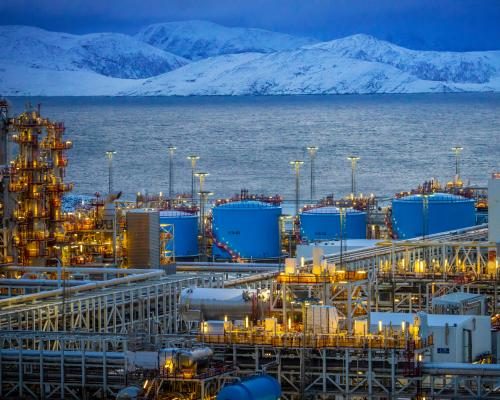
Norway has reaffirmed its dedication to boosting oil and gas production, with Energy Minister Terje Aasland announcing plans to reopen three long-closed gasfields by 2028. This decision, a response to energy shortages exacerbated by the war in Ukraine, underscores Norway's pivotal role in European energy security.
Reopening Historic Gasfields to Meet Demand
In a bold move, Norway's Energy Minister Terje Aasland declared that the country will be developing, not dismantling, its offshore oil and gas activity. This week, Aasland unveiled plans to reactivate three gasfields off the southern coast-Albuskjell, Vest Ekofisk, and Tommeliten Gamma-by the end of 2028. These fields, which had been dormant since their closure in 1998, are being reopened to address a significant shortfall in energy supplies attributed to the ongoing conflict in Ukraine and disruptions in Middle Eastern gas supplies. The minister stated, "We will develop, not dismantle, activity on our continental shelf," signaling a commitment to maintain Norway's critical energy output. Originally reported by The Guardian.
With Norway's production levels stabilizing over the past two decades, the decision to reactivate these gasfields aims to sustain production at approximately 2 million barrels of oil per day. This move is part of a broader strategy to keep output levels steady through the end of the decade, while the Norwegian Offshore Directorate forecasts that the number of operational offshore oilfields could exceed 100 within the next two years.
Environmental Concerns and Political Backlash
The announcement has sparked significant backlash from environmental advocacy groups and political opposition. Critics have raised alarms, claiming that reopening these gasfields undermines Norway's environmental commitments. Lars Haltbrekken, deputy leader and environment spokesperson for the Socialist Left party, condemned the decision, asserting that it reflects a blatant disregard for environmental advice from the nation's own experts. He stated, "All the talk about responsible oil extraction is nothing but nonsense. It's greenwashing through and through, with vulnerable and important natural areas being put at risk with full awareness." This criticism highlights the delicate balance Norway must maintain between economic interests and environmental responsibilities.
Supporters of the reopening argue that it is essential for ensuring energy security in Europe, especially in light of the continent's heightened dependence on Norwegian gas following cuts in Russian supplies. Aasland emphasized that the world, particularly Europe, will continue to rely on oil and gas for decades, necessitating the development of Norway's rich continental shelf.
Economic Implications and Future Investments
The energy sector is a cornerstone of Norway's economy, generating substantial wealth and funding for its £1.5 trillion sovereign wealth fund. Equinor, Norway's state-owned energy company, has committed to investing $6 billion (£4.4 billion) annually until 2035 to maintain production levels. With the state owning 67% of the company, Equinor aims to sustain its daily output of 1.2 million barrels of oil, reflecting a strong commitment to ensuring market stability amidst fluctuating global energy demands.
Ola Morten Aanestad, a spokesperson for Equinor, highlighted the importance of maintaining production levels higher than those of 2001, stating that "it's very important for the market value of the company." This steady production not only fulfills domestic needs but also positions Norway as a crucial supplier to the European market, which sources about a third of its gas from Norwegian fields.
Job Security and Long-term Viability
Aasland also addressed the implications of these decisions on employment within Norway's energy sector, which supports approximately 210,000 jobs. He noted the importance of providing workers with the assurance of stable employment as the country pivots towards increased oil and gas production. This focus on job security resonates deeply within communities dependent on the energy industry, amplifying the urgency of expanding production capabilities.
As Norway embarks on this ambitious path, the energy minister remains resolute in his vision for the country's energy future, stating, "We have a responsibility. Our focus is very clear." While the reopening of gasfields may attract criticism, it is clear that Norway is positioning itself as a key player in the ongoing energy transition in Europe, balancing economic needs with environmental considerations.
Looking ahead, Norway's commitment to developing its offshore oil and gas resources is likely to remain a contentious issue, as the government navigates the challenges posed by both domestic and international stakeholders. The focus on increasing production in response to Europe's energy needs suggests that Norway is prepared to take a leading role in shaping the continent's energy landscape well into the next decade.
Originally reported by The Guardian. View original.