
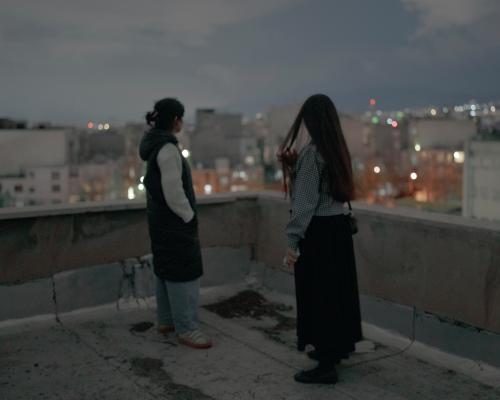
As the conflict involving the US and Israel escalates, six ordinary Iranians share their deeply personal experiences. Their reflections reveal not just the immediate impact of war, but the broader implications for identity, hope, and the future of their country.
Behzad: The Burden of Conscription
At 31, Behzad finds himself trapped in a situation he never anticipated. A military conscript with a master's degree in humanities, he lives in a rented flat in central Tehran with his partner. Though he refrained from joining January's anti-government protests, he witnessed the regime's brutality firsthand. "I knew people shot and killed by the regime," he said, expressing his disdain for the current political system. Now, he's forced into military service, which strips men of their rights until completion. Behzad had hoped for an administrative role but has instead been assigned to guard duty and patrols at military sites, experiencing the constant threat of bombardment. Originally reported by The Guardian.
"You just have to stand in some corner and wait for something to come out of the sky at any moment and hit you," he lamented. The absurdity of his situation weighs heavily on him. Behzad believes that no positive change will come from the war. "You'd have to be an idiot to think that America is going to establish democracy for us," he stated, predicting a likely military dictatorship as a result of any external interventions.
Fahimeh: Loyalty to Iran
Fahimeh, a 55-year-old state employee, emphasizes a different perspective. Working in a government office in Tehran, she prides herself on Iran's rich history and expresses a desire for the nation to be remembered positively. "History will write that Iran either won or lost. What must be recorded is that Iran won," she declared. Fahimeh believes in maintaining Iran's defensive capabilities, including control of the Strait of Hormuz and enriched uranium. She argues that these measures are essential for national security.
Despite her loyalty, Fahimeh acknowledges the public's anger toward the regime. Even her colleagues mourned those killed in the protests, calling it a "national tragedy." Yet, she remains convinced that the regime will adapt and survive post-war. "They know the mood of society. They will yield, somewhat, before the people," she predicts. Fahimeh firmly opposes external calls for regime change, emphasizing the need for internal solutions.
Nika: A Student's Transformation
Nika, 23, is a psychology student and English teacher whose life has been upended by the ongoing conflict. Forced to relocate to her estranged father's country house, she feels a profound loss of privacy and normalcy. "I've lost what used to steady me," she lamented, describing how constant news of the war has affected her mental state. Nika was profoundly impacted by the January protests and initially thought war might lead to governmental change. "Everyone was waiting for something to happen," she recalled.
However, when war became a reality, her perspective shifted dramatically. The sound of explosions shattered her sense of safety. "I was terrified. War is completely different when it actually arrives," she admitted. The death of children in the Minab strike left her grappling with guilt for having wished for war. "You ask yourself: why had you wanted war in your heart before it came?" she questioned, expressing a desire for peace and coexistence instead of conflict.
Reflections on Hope and Despair
As these ordinary Iranians navigate the complexities of life amid escalating conflict, their stories highlight the deep-seated fears and aspirations that define their existence. Behzad's resentment toward the regime, Fahimeh's unwavering loyalty to Iran's dignity, and Nika's transformation from hope to horror illustrate the multifaceted impact of war on individual identities. Each voice adds a layer to the collective narrative of a nation at a crossroads.
The war's implications extend beyond immediate violence; they provoke introspection about loyalty, identity, and the future. While some cling to the hope of change, others grapple with the grim realities of their circumstances. The question remains: what will the future hold for these individuals and their country as the conflict unfolds?
Originally reported by The Guardian. View original.