
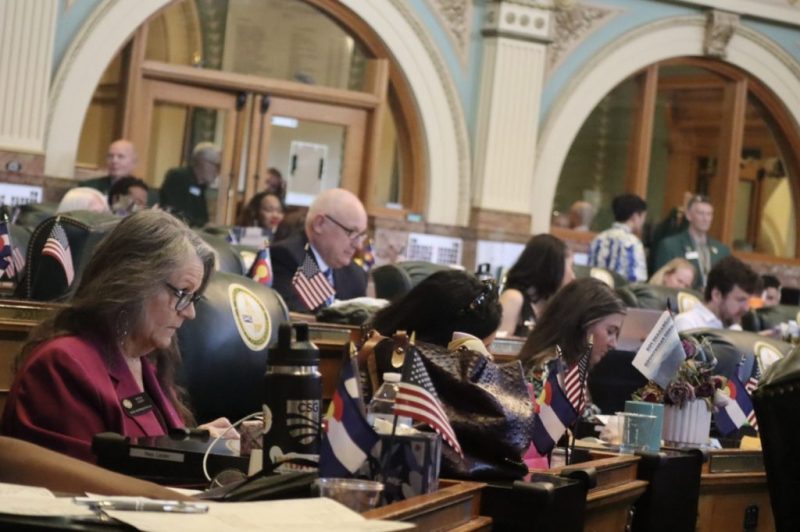
The Colorado state legislature wrapped up its 120-day session on May 13, 2023, introducing over 600 bills that cover a range of topics important to residents of western Colorado. Among the most notable legislation are significant changes to home insurance regulations, the introduction of vacancy taxes, and various environmental initiatives. Here's a closer look at which bills made the cut and which ones fell short.
New Home Insurance Regulations Aim to Protect Consumers
One of the most impactful pieces of legislation to pass this session involves reforms in the home insurance sector. The new law, aimed at protecting homeowners from sudden rate increases, stipulates that insurance companies must provide clearer explanations of their pricing models. This measure is particularly crucial in light of the rising costs associated with natural disasters, which have forced many families to reconsider their insurance Options. The legislation also mandates that insurance firms offer discounts for homes equipped with safety features, such as fire-resistant materials or advanced security systems. Learn more on Investopedia.
State Representative Lisa Cutter, who championed the bill, stated, "This legislation is about making sure that homeowners aren't blindsided by sudden spikes in their insurance premiums. Transparency is key in building trust between insurers and policyholders." This law is expected to take effect later this year, potentially easing the financial burden on many families across Colorado.
Vacancy Tax Legislation Sparks Debate
Another significant development in this legislative session is the proposed vacancy tax aimed at addressing the housing crisis. The bill, which aims to impose a tax on vacant residential properties, is designed to encourage property owners to either rent out or sell their unoccupied homes. This initiative is particularly relevant in Colorado's high-demand housing market, where the availability of affordable housing remains a pressing concern.
Proponents of the vacancy tax argue that it could generate additional revenue for local governments, which could be reinvested in housing initiatives. However, opponents contend that it could disincentivize investment in property, ultimately leading to more vacant homes. "We need to find solutions that increase housing availability without discouraging investment," said Senator Chris Hansen, who has voiced reservations about the bill. The debate surrounding this legislation highlights the ongoing struggle to balance housing supply with community needs.
Environmental Initiatives Gain Traction
In addition to housing and insurance reforms, several environmental bills were successfully passed during this session. Among them, a notable measure focused on reducing carbon emissions from transportation, particularly in rural areas like western Colorado. This legislation includes incentives for the adoption of electric vehicles and aims to expand charging infrastructure throughout the state.
Environmental advocates have praised this initiative, emphasizing its potential to mitigate climate change impacts. "By investing in sustainable transportation options, Colorado can lead the way in reducing our carbon footprint," commented Claire Levy, a leading environmental activist. The bill's supporters argue that transitioning to electric vehicles will not only benefit the environment but also create jobs in the clean energy sector.
Failed Proposals Highlight Ongoing Challenges
Despite the passage of several important bills, not all measures were successful this session. A proposed minimum wage increase, which aimed to raise the state's minimum wage to $15 by 2025, failed to garner the necessary support in the legislature. Advocates for the increase argued that it was essential for ensuring a living wage for workers, particularly in high-cost areas like western Colorado.
Additionally, a bill aimed at expanding access to mental health services met resistance and was ultimately shelved. This underscores the ongoing challenges faced by lawmakers in addressing comprehensive health care needs in the state. "We can't ignore the mental health crisis that many Coloradans are facing," lamented Senator Brittany Pettersen, who expressed disappointment over the bill's failure. The landscape of legislative priorities continues to evolve, reflecting the complexities of meeting the diverse needs of the state's residents.
As Colorado moves forward, the effects of these new laws will be closely monitored by residents and lawmakers alike. With home insurance reforms set to provide greater transparency, the vacancy tax proposal raising eyebrows, and environmental initiatives paving the way for a greener future, the legislative session has certainly left its mark. The ongoing debate over minimum wage and mental health services will likely continue to shape discussions in the upcoming sessions, as the state seeks to address the pressing issues facing its communities.
Originally reported by Post Independent. View original.