
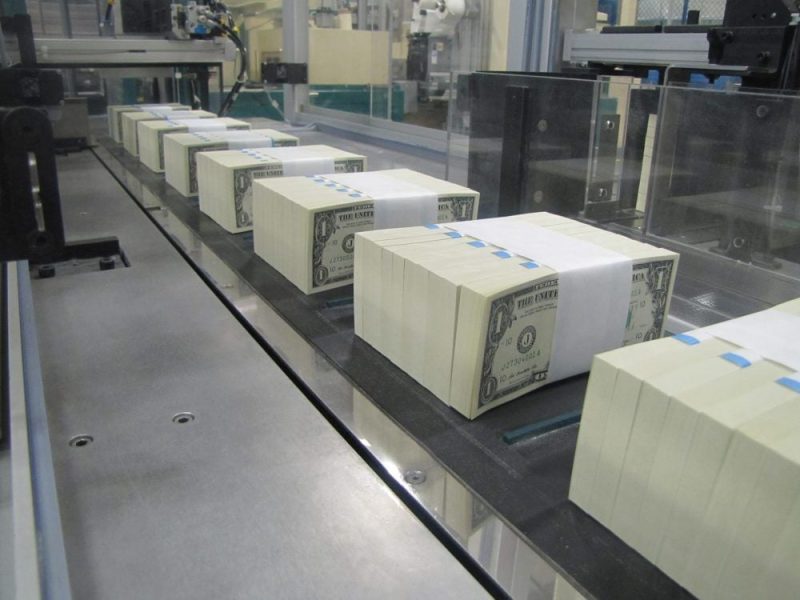
In a move aimed at enhancing economic inclusivity, Maryland lawmakers are debating a bill that would mandate businesses to accept cash payments for transactions under $300. Advocates for the measure argue that it could help remove barriers for low-income consumers who rely on cash for their purchases. The bill has drawn attention for its potential to protect the rights of cash users, ensuring that everyone can access essential goods without being forced into digital payments.
Legislative Intent Behind the Cash Acceptance Bill
The proposed legislation, known as the "Consumer Protection - Retail Transactions - Cash Payments," was introduced by Delegate Gregory Wims, a Democrat representing Montgomery County. During a House hearing in February, Wims emphasized the significance of cash in the economy, stating, "Cash is the staple of our country. No person should be prohibited from using legal tender when trying to buy groceries at the supermarket or clothes at a clothing store." This sentiment echoes the growing concern about the increasing number of retailers opting not to accept cash payments, a trend that could marginalize certain demographics. Learn more on Investopedia.
Supporters of the bill contend that the refusal to accept cash can disproportionately impact undocumented individuals, low-income families, and those without bank accounts. They argue that by enforcing cash acceptance, the bill would foster a more equitable marketplace. Additionally, the legislation would prohibit retailers from imposing extra fees for cash transactions, ensuring that customers aren't penalized for their choice of payment method.
Opposition Concerns Regarding Safety and Costs
While the bill has garnered significant support, it has also faced opposition. Critics, including some retail representatives, argue that a cash mandate could increase safety risks for businesses by making them targets for theft. They claim that handling cash can complicate operations and elevate operational costs. Concerns have been raised that the requirement could lead to heightened security measures that might not be financially viable for smaller retailers.
One such opponent, Cailey Locklair, president of the Maryland Retailers Association, articulated fears that the bill could create unintended consequences for businesses. Locklair noted that many retailers have already invested in technology for cashless transactions, and a sudden shift back to cash acceptance could disrupt their operations. The balance between consumer rights and business interests remains a contentious point in the ongoing discussions surrounding the legislation.
Impact on Low-Income Families and Undocumented Residents
Advocates for the bill underscore its potential benefits for low and middle-income families who depend on cash for everyday purchases. Lonia Muckle, a senior policy associate at the CASH Campaign of Maryland, highlighted that many individuals face obstacles in participating in the economy due to a lack of access to banking services. Muckle stated, "We want to make sure that there's not additional barriers for them to be able to participate in the economy." This legislation aims to eliminate such barriers, allowing consumers to buy essential items without the fear of exclusion.
Further emphasizing the bill's importance, Lynne Harris, a board member of Interfaith Works-a nonprofit organization assisting low-income residents-pointed out that many people cannot rely on credit cards due to financial constraints. According to a 2023 report by the Federal Deposit Insurance Corporation, approximately 3.4% of Maryland residents lack a checking or savings account. The bill's advocates believe that ensuring cash acceptance will allow these individuals to secure necessary goods and services without facing undue hardship.
The Path Forward for Cash Legislation
If passed, the legislation would take effect on October 1, but it would not apply to online, phone, or mail transactions. Additionally, temporary locations, such as vendors at events, would be exempt from the cash acceptance requirement. This provision reflects an effort to balance the needs of cash users with the realities of modern retail practices.
The ongoing discussions in Maryland represent a broader national conversation about the role of cash in society, especially as digital payment methods become increasingly prevalent. Advocates for cash acceptance argue that, while technology continues to evolve, access to cash remains a vital component of economic participation, particularly for vulnerable populations.
As the legislative process unfolds, Maryland's approach could serve as a model for other states grappling with similar issues surrounding cash payments and economic access, making the outcome of this bill a significant point of interest for lawmakers and communities alike.
Originally reported by Thesentinel. View original.