
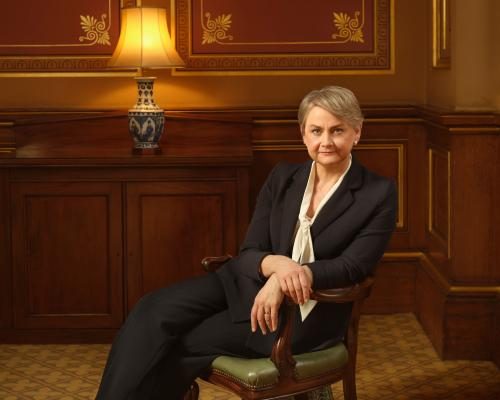
In a time of escalating conflict in the Middle East, UK Foreign Secretary Yvette Cooper has expressed concerns about the implications of aligning UK foreign policy too closely with the United States. Speaking from the Foreign Office, where security measures are heightened due to ongoing military actions, she emphasized the need for an independent stance in international relations.
Heightened Tensions Amid Ongoing Military Strikes
As the joint US-Israeli bombardment of Iran continues, the atmosphere at the Foreign Office is serious. The violence has led to significant casualties, with reports indicating over 1,800 fatalities across the region, including at least 175 schoolgirls in Iran due to what some sources have labeled a US precision strike. The conflict has also seen extensive damage to key infrastructure, such as oil facilities and desalination plants, which has raised alarms across Gulf states. Originally reported by The Guardian.
Cooper, who has been in her role since last September, is currently managing a crisis that includes speaking with the "shocked and angry" Omani foreign minister. Oman had previously been acting as a mediator in negotiations with Iran, efforts that were thwarted when the US abandoned peace discussions. As Cooper navigates these discussions, she is also coordinating the airlifting of British nationals from affected regions, underscoring the urgency of the situation.
Criticism from Donald Trump and Political Dynamics
Former President Donald Trump has been vocal about UK Prime Minister Keir Starmer's refusal to allow US troops to utilize British bases for military operations. He has criticized Starmer, suggesting that the UK should not be involved in a conflict "we've already won." Trump's remarks highlight a growing tension between US and UK leadership in how to respond to the unfolding situation.
Trump remarked, "This is not Winston Churchill we are dealing with," indicating a perception of weakness in current UK leadership. As political dynamics shift, the relationship between the US and UK is being tested, with both leaders needing to navigate public opinion and military strategy. The implications of these decisions could shape the future of UK foreign policy, with Cooper advocating for a more independent approach.
Cooper's Engagements and International Relations
Yvette Cooper has recently returned from significant international engagements, including a security conference in Munich and a high-profile address to the United Nations Security Council. Her agenda has been heavily focused on the humanitarian crisis in Sudan, which she described as "the worst humanitarian crisis of the 21st century." However, the sudden escalation in the Middle East has overshadowed her recent efforts.
During her trip to Washington, Cooper engaged directly with US Secretary of State Marco Rubio, where the two discussed various pressing international issues. However, the timing of missile strikes on Tehran has raised questions about the nature of US-UK communications. When asked if there had been any forewarning of the strikes, Cooper indicated that discussions had occurred but refrained from detailing specifics, stating, "We have had lots of discussions about Iran and about the Middle East."
Negotiations and Future Outlook
Cooper's recent interactions with Israeli Foreign Minister Gideon Sa'ar following her critical statements on Israeli policies suggest a complex web of diplomatic relations. She acknowledged strong disagreements surrounding aid restrictions to Gaza, reflecting the broader tensions that complicate peace efforts in the region.
As tensions remain high, Cooper's position at the helm of UK foreign policy is increasingly scrutinized. She has asserted that "making decisions based on what the US do or say doesn't feel like sensible foreign policy," advocating for a strategy that prioritizes the UK's interests while still engaging with allies. The coming weeks will be crucial in determining how the UK navigates its role in a rapidly evolving geopolitical landscape.
Looking ahead, the UK must balance its historical alliance with the US against the realities of a changing global order. As Cooper continues to engage with her counterparts in the Gulf and beyond, the effectiveness of her diplomatic efforts will be tested against the backdrop of ongoing violence and humanitarian crises.
Originally reported by The Guardian. View original.