
The recent victory of the Green Party in the Gorton and Denton byelection has ignited a fierce debate over voting rights in the UK. Following the election, Nigel Farage claimed that his party would have triumphed if only "British-born voters" were allowed to participate. The Greens swiftly dismissed this assertion as "dangerous, racist nonsense," but the controversy has brought to light the complex and often misunderstood voting rights landscape in the UK.
Current Voting Landscape in the UK
As it stands, the UK electoral system permits some non-UK citizens, particularly certain Commonwealth nationals, to vote in general elections. This inclusion stands in stark contrast to the millions of long-term residents who are barred from participating in the democratic process. The issue has gained traction in light of Farage's remarks, prompting a broader discussion about who is eligible to vote in the UK and why these rules exist. Originally reported by The Guardian.
Lara Parizotto, executive director of the Migrant Democracy Project, emphasized the gravity of the situation. In an interview, she noted that while Farage's comments stem from a negative perspective, they have inadvertently opened a dialogue about voting rights. "The silver lining for us," Parizotto said, "is that, although they are coming from a negative perspective, at least it has got people talking about it."
The Shift in Political Rhetoric
Since the Brexit agreement, the political climate surrounding migration and voting rights has shifted significantly, according to Parizotto. Her organization began advocating for expanded voting rights in 2021, focusing on the need for all residents to have the ability to vote, regardless of their immigration status. This is particularly relevant for Commonwealth citizens, who were once considered "British subjects" with voting rights but have since transitioned to "Commonwealth citizens" without guaranteed electoral participation.
Parizotto expressed disappointment in the current political discourse, stating, "We knew that government wasn't going to do what we were asking - to extend the franchise to all residents in all elections. But there was some hope then that the right to vote would be extended, and in opposition, Labour were making supportive noises." However, the atmosphere has changed, and now campaigners find themselves defending existing rights rather than advocating for new ones.
Impact of Commonwealth Citizenship on Voting Rights
The voting rights of Commonwealth citizens living in the UK have become a contentious issue. As countries gained independence from the British Empire, the status of individuals born in those nations transformed. Initially, as British subjects, they had the right to vote; however, this right has been curtailed over time. The current debate has brought renewed scrutiny to this complex history.
Recent data from the Guardian illustrates a concerning trend: the language used in Parliament regarding immigration has grown increasingly extreme, fueling fears among campaigners that voting rights for Commonwealth citizens could be jeopardized. Parizotto noted, "We feel like we're now in a position where we have to campaign for the right to vote to be defended as it is." This sentiment echoes a wider anxiety that the very foundation of democratic participation is under threat.
Broader Implications for Democracy
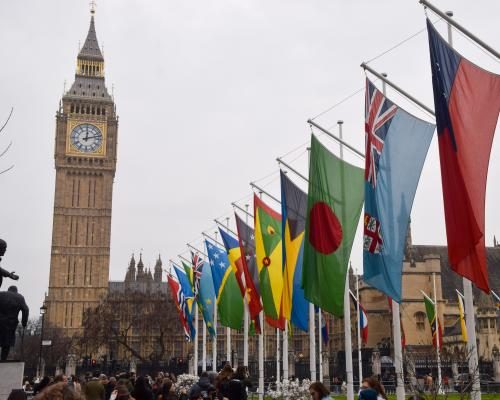
The ongoing discussions about who can vote in the UK have implications that reach beyond the immediate electoral landscape. As Commonwealth Day was celebrated recently, King Charles acknowledged the diversity and cooperation embodied by this global association. However, the voting rights of Commonwealth citizens often remain overlooked in policy discussions.
Parizotto's organization, which has been campaigning on this issue since 2021, seeks to educate both the public and politicians about the rights of residents in the UK. She remarked on the complexity of the rules governing who can vote, noting that even policymakers frequently lack a comprehensive understanding of the electoral framework.
With the political climate becoming more polarized, the rights of millions of residents remain tenuous. As campaigners strive to clarify and protect these rights, the call for a more inclusive democracy becomes increasingly urgent.
Looking ahead, the debate around voting rights is likely to intensify. As more voices enter the conversation, there's potential for significant changes in how voting rights are viewed and legislated in the UK. The outcome of this ongoing discussion will shape the future of democracy and participation in the nation, impacting generations to come.
Originally reported by The Guardian. View original.