
Former President Donald Trump issued a stark warning to Iran, threatening to "obliterate" the nation's energy infrastructure, including power stations and freshwater facilities, unless Tehran agrees to peace terms "shortly." This ultimatum comes amid a month-long conflict that has seen escalating tensions between the United States, Israel, and Iran.
Escalating Tensions in the Middle East
The ongoing conflict has drawn international attention as Trump, speaking on his Truth Social network, expressed confidence in achieving a negotiated settlement with Iran. He described the Iranian regime as a "more reasonable" entity than before, despite Tehran's continued missile strikes on Israel and its resolute stance against U.S. proposals. The Iranian government has characterized the peace terms as "excessive, unrealistic, and irrational." Originally reported by The Guardian.
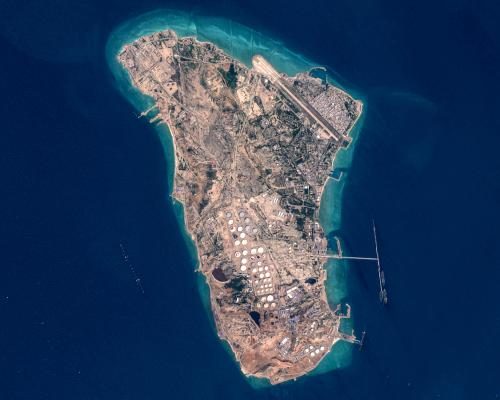
As the situation intensifies, there are fears of further escalation, including potential U.S. ground operations aimed at seizing Kharg Island, Iran's key oil export terminal. This potential military action is causing ripples in global financial markets, with oil prices soaring to nearly $117 per barrel, marking a significant 54% increase since the beginning of March.
Legal and Humanitarian Concerns
Trump's threats raise critical legal and humanitarian questions. Targeting civilian infrastructure, such as power plants and water facilities, could violate international humanitarian law and may be classified as a war crime. Erika Guevara-Rosas, Amnesty International's senior director for research, advocacy, policy, and campaigns, emphasized that attacking such essential services would be unlawful and could lead to disproportionate harm to civilians.
Despite these legal concerns, Trump's administration, particularly through his Defense Secretary Pete Hegseth, has shown a willingness to disregard conflict laws. The U.S. strategy in the region, especially in collaboration with Israel against Iran, has led to diplomatic backlash, with countries like Spain closing their airspace to U.S. military aircraft involved in the conflict.
International Reactions and Diplomatic Efforts
Global leaders are voicing their concerns over the ongoing conflict. UK Prime Minister Keir Starmer reiterated his stance that the war does not involve Britain and emphasized that the UK would not be drawn into it. Egyptian President Abdel Fattah al-Sisi made an urgent appeal to Trump, urging him to utilize his influence to help halt the war, warning that the conflict in the Gulf could spiral out of control.
Meanwhile, Iranian officials acknowledged receiving a 15-point proposal from the Trump administration following discussions involving foreign ministers from Pakistan, Egypt, Saudi Arabia, and Turkey. However, Iranian Foreign Ministry spokesperson Esmail Baghaei clarified that there had been no direct negotiations with Washington, dismissing the U.S. demands as unrealistic.
Market Reactions and Economic Implications
The financial markets are reacting sharply to the geopolitical turmoil. With Brent crude oil on track for its largest monthly gain in history, analysts warn that continued conflict could lead to a global economic slowdown. The International Monetary Fund cautioned that persistent instability in the Middle East would drive prices higher and slow down economic growth worldwide.
As the Pentagon reportedly prepares for weeks of ground operations in Iran, Tehran appears to rally its citizens, calling for volunteers for a "Janfada" or "sacrificing life" operation. This harkens back to the human wave assaults from the Iran-Iraq war, signaling a potential escalation of hostilities.
As the situation unfolds, the international community watches closely. The stakes are high, not just for the nations directly involved but for global markets and the fragile geopolitical balance in the region. With oil prices already under pressure, any further military action could have devastating economic repercussions, exacerbating food and pharmaceutical shortages worldwide.
Originally reported by The Guardian. View original.