
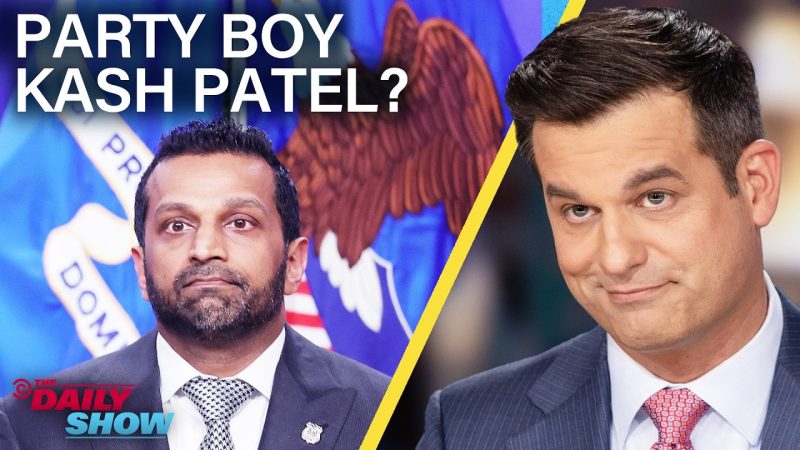
In a dramatic turn of events for the Trump administration, FBI Chief Kash Patel is embroiled in controversy over alleged heavy drinking, while Labor Secretary Lori Chavez-DeRemer has resigned amid accusations of personal misconduct. These incidents have sparked intense scrutiny of the administration's culture, raising questions about accountability and ethical standards within its ranks.
Kash Patel's Legal Battle Over Drinking Allegations
Kash Patel, the FBI Chief, has taken legal action against The Atlantic, suing the publication for claims regarding his alleged drinking habits. The article accused Patel of excessive alcohol consumption, which reportedly raised concerns about his professional conduct and decision-making abilities within the FBI. Patel, who has served in various roles under the Trump administration, vehemently denies these allegations, asserting that they are part of a smear campaign against him. His lawsuit aims to clear his name and restore his reputation, arguing that the article is defamatory and misleading. Originally reported by The Daily Show.
The implications of Patel's lawsuit extend beyond personal reputation; they reflect broader issues of leadership and accountability within federal agencies. As the head of the FBI, Patel's behavior is not only scrutinized by the public but also by his subordinates, who rely on his judgment in critical law enforcement matters. The ongoing legal proceedings will likely draw attention to how federal officials handle allegations of misconduct and the consequences that follow.
Labor Secretary Resigns Amid Personal Scandals
In another significant development, Labor Secretary Lori Chavez-DeRemer has announced her resignation following multiple allegations of personal misconduct, including claims of extramarital affairs and visits to strip clubs. These revelations have put her under immense pressure, prompting her decision to step down from her position. Chavez-DeRemer's resignation marks a notable departure, as she was seen as a rising star within the administration.
The controversies surrounding Chavez-DeRemer don't stop there. Reports have surfaced that her husband faced a ban from the Department of Labor headquarters due to allegations of sexual misconduct. This string of scandals has raised serious questions about the culture of accountability within the department and the administration as a whole. Critics argue that such behavior undermines the integrity of public service and calls into question the administration's commitment to maintaining ethical standards.
Department of Labor's HR Training Overhaul
Amidst these controversies, comedian Michael Kosta offered a satirical take on the Department of Labor's new HR training video. Kosta's humorous commentary pointed out the glaring inconsistencies in the administration's approach to workplace conduct, especially in light of the recent scandals. The updated training video aims to address issues of harassment and misconduct, serving as a guide for employees on appropriate workplace behavior.
The timing of this training overhaul could not be more critical. As the administration grapples with these high-profile scandals, the efficacy of HR training and its impact on workplace culture will come under intense scrutiny. Critics argue that while such training is necessary, it must be coupled with genuine accountability measures to be truly effective. If employees see no real consequences for misconduct, the training may be perceived as little more than a box-ticking exercise.
Reflection on Accountability in Leadership
The recent scandals involving Kash Patel and Lori Chavez-DeRemer highlight a significant ongoing issue within the Trump administration: accountability. As these high-ranking officials face serious allegations, the future of leadership within the administration appears increasingly uncertain. Public trust in government institutions is fragile, and these incidents threaten to erode confidence further.
Moreover, the ripple effects of these controversies extend beyond the individuals involved. They have sparked conversations about the importance of ethical leadership, the need for transparent processes in handling allegations of misconduct, and the responsibility of government officials to model appropriate behavior. As the legal proceedings unfold and new information emerges, the administration must confront the consequences of its culture and the standards it sets for its leaders.
Ultimately, the outcomes of these scandals will likely influence not only the future of those involved but also the broader narrative surrounding the Trump administration. Ensuring accountability and maintaining ethical standards is crucial in restoring public trust and fostering a government that serves all citizens effectively.
Originally reported by The Daily Show. View original.