
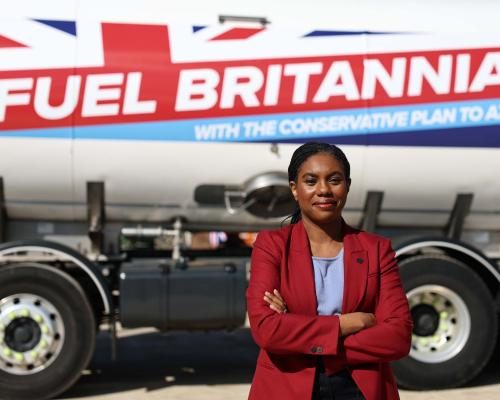
The Conservative Party is preparing for a challenging local election cycle on May 7, as party leader Kemi Badenoch declared at a recent launch, "The Conservative party is coming back," while surrounded by enthusiastic supporters. This optimism, however, is met with skepticism from various factions within the party, highlighting a stark divide among members. Many MPs predict significant losses, particularly in English councils and in the Scottish and Welsh parliaments, where the Conservatives are expected to see their representation dwindle.
Mixed Reactions Within the Party
While Badenoch's supporters exhibit a sense of buoyancy, others view this optimism as utterly misplaced. Even those who back Badenoch recognize that the party's polling numbers suggest a grim outlook. Currently, national polling shows the Conservatives languishing at about 17%, a sharp decline from the over 40% approval ratings they enjoyed during Boris Johnson's tenure amid a brief vaccine bounce in 2021. The predictions for the upcoming elections suggest a substantial loss of council seats, especially in Scotland and Wales, where the party's representation is anticipated to shrink dramatically. Originally reported by The Guardian.
One Conservative MP, reflecting on the situation, noted, "I don't want to say we're chipper, as that might sound complacent, but we're quietly chirpy. Yes, we're going to do badly, but that's expected. And more importantly, Labour will do worse." This sentiment indicates a cautious optimism that may not align with the broader public sentiment, as many voters express dissatisfaction with the current Conservative leadership.
The Impact of Reform Party's Rise
Another factor contributing to the Conservative Party's woes is the rise of the Reform Party, which has begun to capture a share of the right-wing vote. Concerns are growing among Conservatives that they may soon face a situation where their party is perceived as irrelevant to voters who might otherwise support them. As one senior regional organizer pointed out, "If you're knocking on doors as much as I do, the view from MPs can seem delusional. We're not making up ground. The brand has not been repaired." This points to a crisis of confidence within the party ranks.
Despite Badenoch's attempts to bolster her image through effective performances in Parliament, including her exchanges with Labour leader Keir Starmer, there remains a palpable sense of frustration. The disconnect between internal party dynamics and public perception suggests that the Conservatives may not have adequately adapted to the shifting landscape of British politics, where voter loyalties are increasingly volatile.
Challenges Ahead for Badenoch
As the May elections approach, the pressure on Badenoch to deliver results is mounting. However, there is a consensus among party members that she is unlikely to face a leadership challenge, even if the party suffers significant losses. The departure of key figures like Robert Jenrick and Suella Braverman, who were rumored to be potential challengers, has left Badenoch with a stronger hold on her position. One MP remarked, "What pressure there is on Kemi is kind of under the radar for now. She most likely has another conference speech and maybe another set of local elections before there could be any kind of challenge."
Yet, even those who criticize her leadership acknowledge that she has managed to maintain her position despite the dire circumstances. The situation reflects a broader trend within the party where potential threats to leadership are muted, as many members prioritize party unity over personal ambition during this tumultuous period.
The Road Ahead for the Conservatives
Looking forward, the Conservative Party faces the daunting task of redefining its identity amidst a fragmented political landscape. Tim Bale, a politics professor at Queen Mary University of London, emphasized the party's precarious position, stating, "Their poll position suggests to me that they are in an awful lot of trouble. Simply pointing to a Labour government that's doing really badly, and thinking, well, we're not as bad as them - it's not enough." This underscores the urgency for the Tories to develop a coherent strategy that resonates with voters beyond merely contrasting themselves with Labour.
As the May elections draw nearer, the Conservatives must confront their internal divisions and reconnect with the electorate. Failure to do so may not only lead to significant electoral losses but also jeopardize their standing as a viable political force in the future.
Originally reported by The Guardian. View original.