
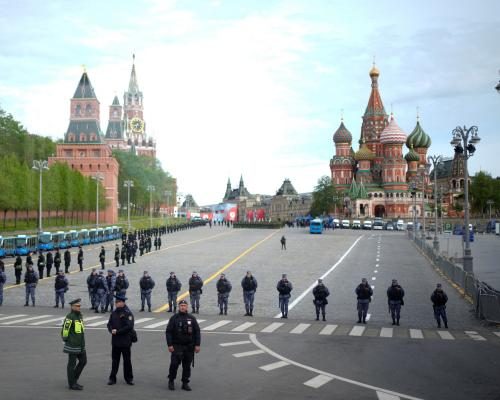
A Three-Day Ceasefire has commenced between Russia and Ukraine, coinciding with Russia's Victory Day celebrations. The ceasefire, which includes a suspension of all military actions and a significant prisoner exchange, aims to ease hostilities during this notable time in Russia. Initially announced on social media by Donald Trump, both sides have since confirmed the ceasefire.
Prisoner Exchange and Humanitarian Considerations
The ceasefire stipulates a swap of 1,000 prisoners from each side, addressing one of the major humanitarian issues arising from the ongoing conflict. Ukrainian President Volodymyr Zelenskyy underscored the importance of this exchange, stating, "Red Square is less important to us than the lives of Ukrainian prisoners who can be brought home." His emphasis on symmetry in actions highlights the delicate balance both nations are trying to achieve amid intense hostilities. Originally reported by The Guardian.
Ukraine had previously declared a unilateral 24-hour ceasefire in anticipation of Russia's Victory Day, which commemorates the Soviet Union's triumph over Nazi Germany in World War II. However, this gesture was met with renewed aggression from Moscow, which intensified its military operations, particularly in urban areas, leading to significant civilian casualties. The situation remains precarious as both sides navigate the complexities of this fragile ceasefire.
Escalating Tensions in the Lead-Up to the Ceasefire
In the days leading up to the ceasefire, Russia launched a series of devastating bombings across busy urban centers in Ukraine. Despite Zelenskyy's efforts to temporarily halt the violence, the Kremlin's military strategy seemed undeterred. The situation reached a critical point as Zelenskyy pointed out to the public that recent appeals from various international actors had been directed towards finding common ground.
Zelenskyy took to X (formerly Twitter) to express his thoughts on the situation: "In recent days, there have been many appeals and signals regarding the setup for tomorrow in Moscow in connection with our Ukrainian long-range sanctions." This statement reflects Ukraine's ongoing struggle to maintain its sovereignty while dealing with Russia's aggressive tactics. This complex interplay of military and diplomatic maneuvers underscores the high stakes involved in the current conflict.
Victory Day Celebrations Under Scrutiny
As Russia prepares for its Victory Day Parade in Red Square, the perception of these celebrations has become increasingly contentious. Ukraine has criticized the planned festivities as a display of military might, especially given the recent spike in attacks. Analysts note that the decision to implement a ceasefire during this period may be intended to project an image of strength and unity within Russia while simultaneously addressing international concerns over the humanitarian crisis.
International observers will be closely watching the events unfold, as the outcome of this ceasefire could set the tone for future negotiations. The anticipated parade, showcasing Russia's military capabilities, will likely complicate the narrative surrounding the ceasefire, as some view it as a contradiction to the spirit of peace that the pause in fighting aims to convey.
Political Developments in Context
In the broader European context, the timing of the ceasefire coincides with significant political events. Newly elected MPs in the UK are set to take their oaths in Parliament, while Péter Magyar is scheduled to be inaugurated in Hungary. These developments could influence how European nations respond to the ongoing crisis in Ukraine and Russia.
The involvement of international leaders, including Donald Trump, in announcing the ceasefire highlights the interconnectedness of global politics and the intricacies of diplomacy amid conflict. With calls for peace growing louder, the effectiveness of this ceasefire will depend largely on the commitment of both parties to adhere to its terms.
As the ceasefire unfolds, the world will be watching closely to see if this temporary pause can lead to more meaningful dialogue and, ultimately, a resolution to the ongoing conflict. The exchange of prisoners represents a glimmer of hope for many families affected by the war, but the road to lasting peace remains fraught with challenges.
Originally reported by The Guardian. View original.