
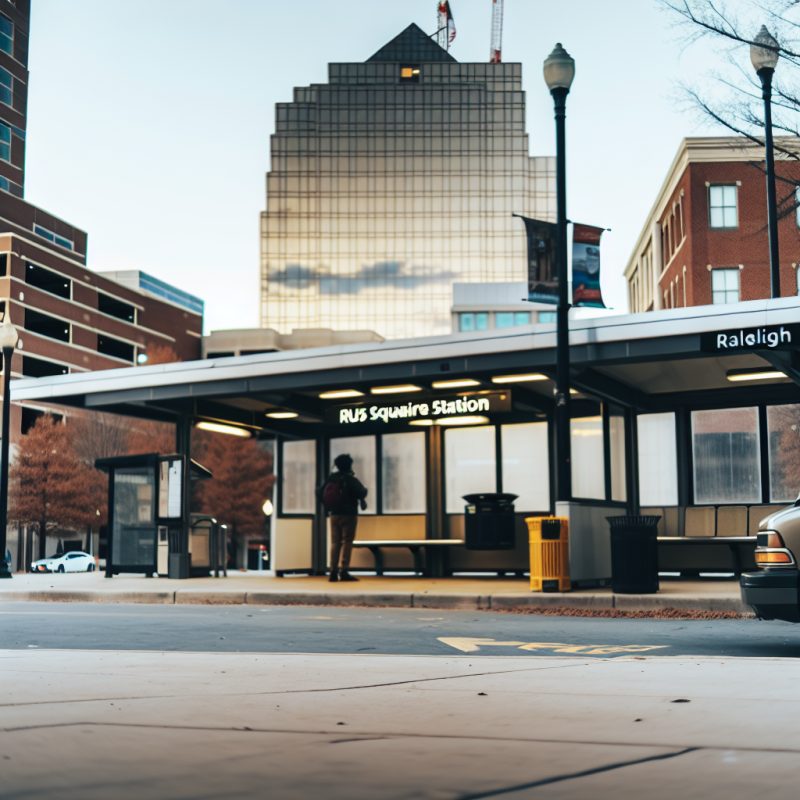
Raleigh's Moore Square Station is facing significant challenges that impact its efficiency and accessibility for bus patrons. With increased ridership and a pressing need for modernization, city officials must consider strategic changes to enhance the overall experience for commuters. Addressing these issues is not just about infrastructure; it's about improving public transport in a growing urban environment.
Growing Demand for Public Transit in Raleigh
As Raleigh continues to expand, the demand for effective public transportation has surged. The Moore Square Station, a central hub for the GO Raleigh bus system, has seen a notable increase in ridership, with patrons often lining up around the entrance waiting for their buses. This growing crowd not only highlights the necessity for a reliable transit system but also underscores the urgent need for improvements at the station itself. Learn more on Investopedia.
Current estimates suggest that public transit ridership in Raleigh has risen by approximately 20% over the past two years. This uptick has led to crowded conditions at the station, particularly during peak hours. The increased foot traffic has resulted in longer waiting times and a less-than-ideal experience for commuters, prompting city officials to explore innovative solutions.
Modernization Plans and Infrastructure Improvements
To address the challenges at Moore Square Station, city planners are considering a comprehensive modernization plan. Key elements of this proposal include expanding the waiting areas, enhancing signage for better navigation, and improving accessibility features for those with disabilities. These changes aim to create a more welcoming environment for all users.
Additionally, the city is looking into technological upgrades, such as real-time bus tracking systems and improved communication strategies to keep patrons informed about delays and schedules. Investing in these technologies could significantly enhance the overall efficiency of the bus system, making public transport a more appealing option for residents and visitors alike.
Engaging the Community: Public Input and Feedback
One crucial aspect of the proposed changes is community engagement. Public forums and surveys will be held to gather input from residents about their experiences and needs related to the bus station. Engaging with the community not only fosters a sense of ownership but also ensures that the improvements reflect the actual needs of those who use the station.
City officials have emphasized the importance of feedback in shaping the modernization plan. By soliciting opinions from bus patrons, they hope to identify specific pain points and prioritize them in the redevelopment Process. This collaborative approach is essential for creating solutions that effectively address the unique challenges faced by the diverse population that relies on public transportation.
Funding the Future: Budget Considerations
Implementing these changes will require substantial financial investment. The city is currently exploring various funding sources, including federal grants, state funding, and potential public-private partnerships. By leveraging a combination of these resources, Raleigh aims to secure the necessary funds to revamp the Moore Square Station and improve the overall public transit experience.
Budget discussions are ongoing, with city officials recognizing the long-term benefits of investing in public transportation infrastructure. A well-funded, modern bus station can not only enhance the daily commute for thousands but also contribute to Raleigh's overall economic growth. Improved public transit can lead to increased accessibility, attracting businesses and fostering a more vibrant urban environment.
So, the future of Raleigh's Moore Square Station hinges on proactive planning, community involvement, and adequate funding. As the city looks to enhance its public transportation system, the proposed improvements stand to benefit not just the bus patrons but also the entire community. By addressing the current challenges head-on, Raleigh can create a transportation hub that meets the demands of its growing population and supports a sustainable urban future.
Originally reported by Raleigh News & Observer. View original.