
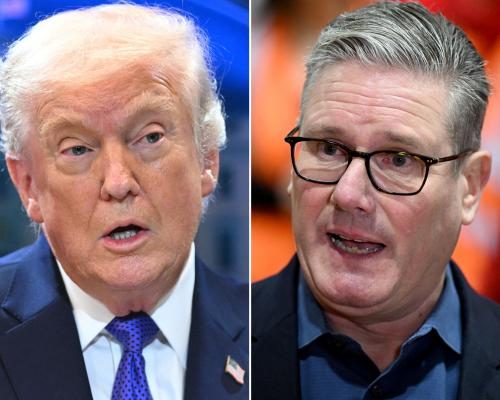
Labour leader Keir Starmer made a significant diplomatic effort on Sunday to mend relations with U.S. President Donald Trump, following critical remarks about the UK's lack of support for military operations in Iran. This conversation took place against a backdrop of rising tensions in the Middle East and internal dissent within the Labour Party regarding former Prime Minister Tony Blair's controversial stance on military involvement.
Starmer's Diplomatic Outreach
Starmer's phone call with Trump was aimed at addressing the strain in their relationship, which had been escalated by Trump's recent comments declaring that the UK's assistance was unnecessary. The U.S. president had expressed frustration over the UK's hesitance to participate in the military actions against Iran, even as U.S. forces continued to utilize British airbases for strikes. The diplomatic discussion focused on military cooperation, particularly concerning the ongoing situation in the Middle East. Originally reported by The Guardian.
A Downing Street spokesperson reported that the leaders discussed the military operations taking place through British bases, emphasizing the need for collective self-defense among allied nations. Starmer also conveyed his condolences to Trump following the tragic deaths of six U.S. soldiers, highlighting the somber realities of military conflict. The leaders expressed mutual interest in maintaining dialogue and cooperation moving forward.
Blair's Controversial Comments Ignite Labour Backlash
Former Prime Minister Tony Blair's remarks at a private gathering have sparked a backlash within the Labour Party. Blair suggested that Starmer should have supported the U.S. from the outset of the conflict in Iran and allowed the Trump administration to utilize British military bases for airstrikes. He argued that being allied with the U.S. necessitates a commitment to show up when called upon, stating, "If they are your ally and they are an indispensable cornerstone for your security.. you had better show up when they want you to."
These comments have drawn sharp criticism from various Labour figures, including Yvette Cooper, who publicly disagreed with Blair's stance. On Sky News's Sunday Morning with Trevor Phillips, Cooper emphasized the importance of learning from past military interventions, particularly the Iraq War. She stated, "I don't think either of those positions is in the UK national interest, and it is the responsibility for Keir Starmer to act in the UK's national interest for British citizens." Her remarks reflect a broader sentiment within the party that advocates for a more cautious approach to military engagements.
Military Operations Intensify Amid Rising Tensions
On the same day as the diplomatic discussions, the Ministry of Defence confirmed the arrival of four U.S. B-1 Lancer bombers at RAF Fairford in Gloucestershire, intended for specific defensive operations against Iranian missile threats. The deployment underscores the increasing military pressure in the region, as the U.S. prepares for potential escalations in response to Iranian provocations.
Starmer had previously granted permission for U.S. forces to engage in defensive actions from UK bases, reflecting a shift in the British government's posture towards its military alliance with the U.S. The arrival of the bombers is notable, particularly as it comes on the heels of warnings from Washington that military strikes on Iran could escalate significantly. This deployment illustrates the complex dynamics at play as the UK navigates its role in international conflicts while managing domestic political pressures.
Looking Ahead: The Future of UK-US Relations
The conversations between Starmer and Trump indicate a desire to stabilize relations during a period of heightened geopolitical tension. As military actions in Iran unfold, the UK's position within the alliance will likely continue to be scrutinized by both political allies and opponents. Starmer's focus on maintaining open lines of communication with the U.S. suggests a commitment to balancing national interests while addressing the concerns of the Labour Party's base.
As the situation in the Middle East evolves, the UK government will face ongoing challenges in managing its international commitments and responding to domestic calls for a more restrained foreign policy. The outcomes of these diplomatic efforts will be pivotal as the Labour Party seeks to define its stance on military engagement and international alliances in an increasingly complex global landscape.
Originally reported by The Guardian. View original.