
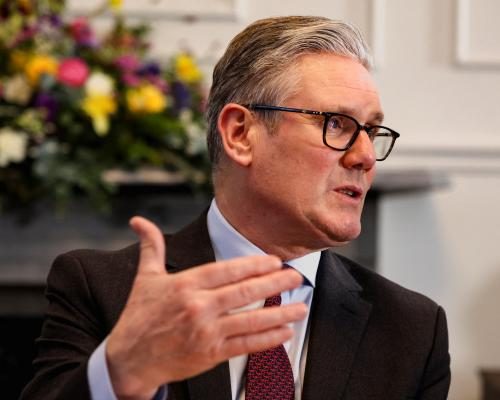
Labour leader Keir Starmer is bracing for possible further resignations within his party as senior government officials prepare for the forthcoming release of ministerial WhatsApp messages linked to the Peter Mandelson files. The anticipated disclosures, which could unveil informal communications alongside previously released formal messages, are expected to intensify scrutiny of Starmer's handling of Mandelson's appointment, especially after he publicly acknowledged his own missteps.
Starmer expressed remorse on Thursday, stating, "It was me that made a mistake, and it's me that makes the apology to the victims of [Jeffrey] Epstein, and I do that." His comments come amid a backdrop of rising tensions within the party, with sources suggesting that the next batch of messages could prompt additional exits from his team. Officials are currently bracing for the release, which is projected to occur in the coming weeks. Originally reported by The Guardian.
Upcoming Release of WhatsApp Messages
The imminent publication will mark a significant moment for Starmer as it follows a parliamentary motion instigated by the Conservative Party, demanding transparency after Mandelson was dismissed from his role as U.S. ambassador. This decision came after troubling information about his connections to Epstein emerged. The former Labour peer has faced serious allegations, including an arrest on suspicion of misconduct in public office.
Details surfaced from emails within the U.S. Department of Justice's Epstein files, indicating that Mandelson may have forwarded sensitive information to Epstein during his tenure as business secretary in Gordon Brown's government. Although Mandelson has continually denied any wrongdoing, the gravity of the allegations has led to a climate of uncertainty surrounding Starmer's leadership.
Scrutiny of Leadership Decisions
Amid rising concern, all senior ministers, civil servants, and special advisers are being urged to submit their phone messages for examination. This includes former key figures such as Angela Rayner, Morgan McSweeney, and Matthew Doyle, who have since left government positions. The communications under review are expected to include candid exchanges that may further complicate Starmer's position.
In a particularly notable exchange, McSweeney and Doyle reportedly engaged in discussions about Mandelson's ties to Epstein, raising questions about the appropriateness of their earlier endorsements of his explanations. Doyle was previously noted in the initial Mandelson files as having expressed satisfaction with Mandelson's account of his relationship with Epstein, which has drawn additional scrutiny.
Legal Concerns and Political Fallout
Legal advisers have cautioned ministers against overtly criticizing Mandelson in public forums, fearing it could jeopardize the integrity of any forthcoming legal proceedings. Meanwhile, the Metropolitan Police remain tight-lipped about specific inquiries made to Mandelson regarding Epstein, amplifying the uncertainty surrounding the situation.
Starmer has faced accusations from the Conservatives and Liberal Democrats, who claim he misled the House of Commons regarding the vetting process for Mandelson and purportedly concealed his responses to the released documents. While visiting Belfast, Starmer reiterated his lack of knowledge concerning the full extent of Mandelson's connections to Epstein, stating, "The release of the information shows what was known. That led to further questions being asked."
Official Advice Raises Alarm
Among the documents released recently were two pieces of official advice directed at Starmer, one of which outlined the potential risks associated with appointing a political appointee as ambassador. Notably, this advice specifically highlighted the dangers posed by endorsing Mandelson due to his known links to Epstein. Curiously, both documents contained sections typically reserved for the Prime Minister's comments, which were left blank.
In response to the documents' release, Kemi Badenoch, a Conservative leader, suggested that Starmer's comments had been redacted, asserting that "they have been removed." However, No 10 officials have denied any redactions, insisting the documents represent the final version of the material. It is believed that Starmer communicated his views verbally, despite established protocols recommending written documentation for such decisions.
The political landscape remains rife with tension as the Labour Party navigates these challenges. With further revelations expected in the coming weeks, Starmer's leadership will be under increasing scrutiny. The fallout from the Mandelson files may not only affect individual careers but could also reshape the internal dynamics of the Labour Party as it seeks to maintain public trust and cohesion.
Originally reported by The Guardian. View original.