
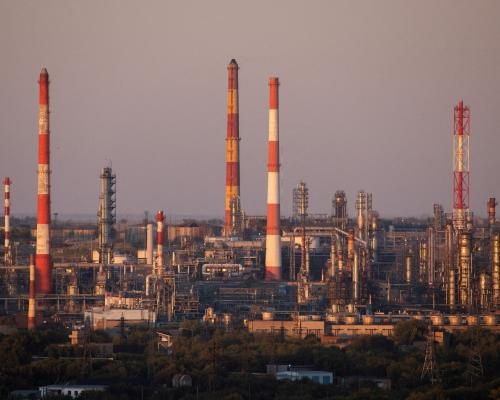
In a striking economic development, Russia has reportedly earned approximately €6 billion (£5 billion) from fossil fuel exports in the two weeks following the onset of the US-Israel conflict with Iran. This surge in revenue is attributed to a significant rise in global fossil fuel prices, which have escalated by 14% since February, according to data from the Centre for Research on Energy and Clean Air (CREA).
Oil Prices Soar, Boosting Russian Revenues
The increase in Russia's fossil fuel revenue is particularly notable given that the country appears to have gained an additional €672 million from oil, gas, and coal sales in March alone. The CREA's analysis indicates that the majority of this revenue, around €625 million, is derived from oil trading. As the conflict erupted on February 28, following US and Israeli airstrikes that resulted in the death of Iran's supreme leader Ali Khamenei, oil prices surged dramatically. Originally reported by The Guardian.
The International Energy Agency (IEA) has warned that the ongoing war has disrupted oil and gas production in the Gulf by at least 10 million barrels per day, marking this disruption as the largest in the history of the global oil market. This situation has allowed Russia to capitalize on rising prices, with its fossil fuel earnings becoming increasingly critical to funding military operations, including its ongoing engagement in Ukraine.
Impact of US Sanctions on Trade Dynamics
Recent comments from Donald Trump about easing US sanctions on Russian oil have added another layer of complexity to the situation. Trump suggested that alleviating sanctions could help stabilize soaring global prices. However, experts argue that this would merely enable Russia to sell its oil at much higher prices, as current sanctions have forced Russian crude to trade at a steep discount.
Alexander Kirk, a sanctions campaigner at the NGO Urgewald, stated, "When markets panic, authoritarian exporters cash in. In less than two weeks, Russia has earned an estimated €6 billion from fossil fuel exports, money that ultimately feeds the Kremlin's war machine." He cautioned that easing sanctions would not stabilize markets; instead, it would provide Russia with an immediate revenue boost worth billions.
Shifts in Global Oil Exports and Market Reactions
Prior to the conflict with Iran, data indicated a decline in Russia's earnings from fossil fuel exports. In fact, figures released by CREA showed that revenues from oil and gas exports had dropped over the previous year, despite an increase in the volume of oil exports. The IEA reported that Russia's crude oil and refined product revenues had hit their lowest levels since the onset of the Ukraine conflict in 2022.
This decline was attributed to reduced exports to India, which was discouraged from cooperating with Russia due to pressure from Washington. Additionally, January's attacks on a pipeline crucial for transporting oil to Hungary and Slovakia further exacerbated the situation, leading to decreased export revenues for Russia.
Future Implications for Global Energy Markets
The recent surge in Russian fossil fuel revenues underscores the volatile nature of global energy markets amid geopolitical conflicts. As tensions escalate in the Middle East, the ripple effects are felt worldwide, impacting not only energy prices but also the broader economic landscape. With Russia's state budget heavily reliant on commodity revenues, the ongoing situation allows the Kremlin to sustain its military initiatives.
Going forward, the international community will be watching closely how these developments unfold, particularly regarding the implications for global supply and pricing dynamics in the energy sector. The current crisis could potentially reshape trade relationships and energy strategies for many countries, especially those dependent on fossil fuel imports.
Originally reported by The Guardian. View original.