
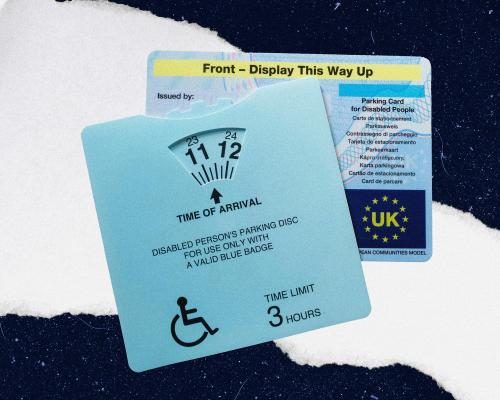
As anti-benefits rhetoric gains traction in the UK, disabled individuals who rely on blue badges for mobility are facing a disturbing increase in public harassment and abuse. Approximately 3 million people in the UK currently hold a blue badge, equating to about one in every 15 adults in England. While the scheme, which allows easier access to parking, aims to support those with disabilities, a growing culture of suspicion has led to numerous reports of mistreatment towards badge holders.
Harassment on the Rise
In recent months, the backlash against blue badge users has become more pronounced. Many disabled individuals have reported being questioned, verbally abused, and even assaulted while simply trying to go about their daily lives. The Automobile Association (AA) has voiced concerns over the misuse of blue badges, calling for stricter enforcement against individuals using fake or stolen badges. This has inadvertently fueled a narrative that encourages public confrontation of those using blue badges, leading to widespread harassment. Originally reported by The Guardian.
Charlotte, a 27-year-old from Aberdeen who has muscular dystrophy and autism, shared her traumatic experience after her carer was assaulted for parking in a disabled bay. "I was helping my carer put my shopping away in my car and a lady came up to my carer and said: 'You don't look very disabled to me, you shouldn't be parked there.' My carer told her the badge is for me. The lady got so angry that she pushed her trolley into my carer," she recounted. This incident has left Charlotte afraid to return to her local Co-op, fearing further aggression against her or her caregivers.
Public Outcry and Misconceptions
The sentiment of suspicion surrounding blue badge users seems to be exacerbated by negative media portrayals. Headlines depicting disabled individuals as fraudsters have fostered a culture where the legitimacy of disabilities is frequently questioned. The Guardian reported that nearly 100 disabled individuals have experienced confrontations while using a blue badge, with many enduring verbal abuse and intimidation. Dave, a 35-year-old from Bournemouth who suffers from fibromyalgia, explained, "On a weekly basis, I get challenged by the elderly and experience hostility for using my blue badge because I look young." He has also faced threats of being filmed by strangers who accuse him of fraud.
Emma, a mother from London, conveyed the emotional toll this scrutiny has taken on her family. Her daughter, Amelia, has a severe learning disability and requires a specialized buggy for mobility. One incident in a multi-storey car park saw an older woman questioning Amelia's disability, which deeply upset Emma's older daughter. "I just wanted to cry," Emma confessed. This kind of public hostility has made leaving the house a stressful experience for Emma, who now grapples with anxiety and depression intensified by the fear of harassment.
Changing Attitudes Towards Disability
As public opinion shifts, many disabled individuals report feeling increasingly isolated and unsafe. Sarah, a 41-year-old from North Yorkshire, who uses crutches due to osteoarthritis, noted that the rhetoric around disability benefits has led to aggressive confrontations. "I feel like all the latest stories about [disability benefits and entitlements] have encouraged others to confront people with blue badges who don't fit what's typically seen as disabled," she stated. Sarah described an incident last week where she was accused of faking her disability while shopping. "I showed the security guard my badge, but the person making the claim followed me around, saying I'm too young to be disabled. I'm scared someone may actually try to confront me again," she added.
The fear of public scrutiny has led many badge holders to limit their outings. With reports of harassment on the rise, many disabled individuals feel compelled to stay home, further isolating themselves from their communities. This alarming trend highlights the need for greater awareness and understanding of the challenges faced by those with disabilities and the importance of supporting their right to access public spaces without fear of discrimination.
The increase in hostility towards blue badge holders reflects a broader societal issue. As public debate around benefits and entitlements continues to evolve, it is crucial to foster a culture of empathy and support for disabled individuals, ensuring they can navigate their everyday lives safely and with dignity.
Originally reported by The Guardian. View original.