
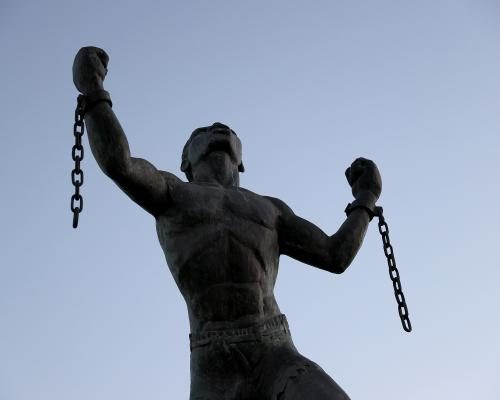
In a powerful appeal for justice, Ghana's President John Dramani Mahama has urged the United Nations to formally recognize the transatlantic slave trade as a crime against humanity. This pivotal move, announced on March 22, underscores the urgent need for a global acknowledgment of the historical injustices faced by millions. However, Mahama cautions that mere recognition is insufficient without actionable measures to address the enduring legacies of slavery.
Recognition as a Step Toward Accountability
President Mahama's assertion is grounded in a historical context that highlights decades of advocacy from African and Caribbean nations for acknowledgment of their shared past. Initiatives like the Abuja Proclamation and the Durban Declaration and Programme of Action have laid the groundwork for this dialogue. Yet, despite these efforts, the structural repercussions of the transatlantic slave trade continue to shape economic and social disparities across Africa and its diaspora. Originally reported by The Guardian.
The transatlantic slave trade, which lasted over four centuries, was characterized by systemic violence that not only stripped individuals of their freedoms but also changed the social fabric of continents. Mahama emphasizes that recognizing this historical atrocity must lead to genuine accountability and reparative justice, rather than serving as a mere symbolic gesture. "Recognition is not merely symbolic; it is a call to accountability, education, and reparative justice - a necessary step toward restoring dignity to millions whose lives and legacies were stolen," he said.
Beyond Symbolism: A Call for Structural Change
The challenge facing the international community extends beyond recognition. It necessitates a comprehensive framework that can address the inequalities rooted in the legacy of slavery. Mahama argues that reparatory justice should not merely be about compensation but should also encompass structural changes that facilitate equitable opportunities today. "Recognition only becomes meaningful when it strengthens the ability of affected societies to negotiate fairer terms within the international system that their labor helped build," he stresses.
The African Union has taken a significant step by declaring the decade from 2026 to 2035 as the "decade of action on reparations." This initiative signals a coordinated approach to reparations across the continent. By aligning efforts with frameworks like the Caribbean Community's 10-point reparations plan, the African Union aims to create practical mechanisms that support educational partnerships and development financing, ultimately addressing the long-standing inequities faced by African nations.
Acknowledging a Complex History
While Europe's colonial powers were primarily responsible for the transatlantic slave trade, it is essential to recognize the complexity of the historical narrative. Many African intermediaries were also involved, often under coercive conditions. Acknowledging this nuanced history enriches our understanding of the past and strengthens the moral imperative for rectification. Mahama's call for comprehensive recognition opens pathways to cultural restoration and economic opportunity while also ensuring education about slavery's profound human costs.
As Mahama poignantly notes, this issue transcends national borders. It is not solely an African concern but a global human cause that requires collective action. By confronting the shadows of our shared past, we not only honor those who suffered but also reinforce the values of dignity and equality that should underpin our societies.
Forging a Path Toward Global Fairness
The recognition of the transatlantic slave trade as a crime against humanity marks a critical moment in the ongoing struggle for justice. It presents an opportunity to redefine reparations as a forward-looking project aimed at achieving global fairness rather than a mere retrospective claim. By shifting the narrative toward a vision of equity and justice, the international community can foster a more inclusive dialogue about the past and its implications for the present.
The call for the UN's recognition of the slave trade sets the stage for transformative change. If handled with discipline and imagination, this initiative could catalyze significant advancements in reparations and justice for affected communities worldwide. The potential for this recognition to become a rallying point for unity and collective action could pave the way for a more equitable future.
Originally reported by The Guardian. View original.