
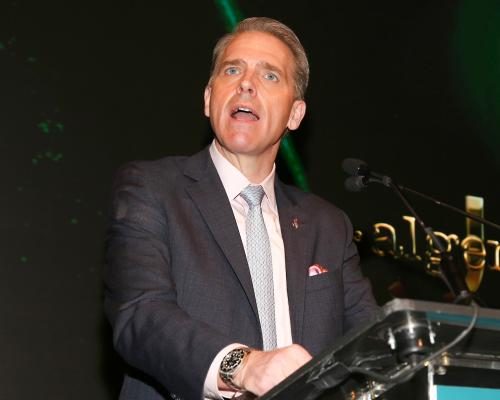
During a tense segment of CNN's NewsNight With Abby Phillip on Thursday evening, Scott Jennings, the network's leading pro-Trump commentator, experienced a significant outburst while defending U.S. military actions in Iran. Pressured by fellow panelist Adam Mockler to provide concrete political gains from the conflict, Jennings resorted to an expletive-laden response after failing to answer a straightforward question. The incident not only highlighted the Growing Tensions surrounding the war in Iran but also reflected broader sentiments among the American public regarding military intervention.
Jennings' Outburst on Live Television
Scott Jennings, a former aide to George W. Bush, was involved in a heated exchange with Adam Mockler, a 23-year-old commentator from the progressive outlet MeidasTouch. The clash unfolded when Mockler pressed Jennings to cite a specific political concession that the U.S. had achieved through its military engagement in Iran. Jennings initially reiterated the Republican stance that the military action aims to stop a theocratic regime from obtaining nuclear weapons. However, Mockler challenged this assertion, stating, "So you can't answer the question." This further provoked Jennings, who, visibly agitated, snapped: "Get your fucking hand out of my face." This moment of frustration caught viewers off guard and sparked discussions on social media. Originally reported by The Guardian.
Public Sentiment on Military Intervention
The incident occurred amidst a backdrop of shifting public opinion regarding U.S. military involvement in Iran. A recent Washington Post-ABC News-Ipsos poll revealed that 61% of Americans now view the use of military force against Iran as a mistake. This level of opposition is reminiscent of sentiments seen during the Iraq War in 2006 and the Vietnam War in the early 1970s. The poll also indicated that less than 20% of respondents believed the military campaign had been successful thus far, while approximately 40% felt it had not succeeded and another 40% deemed it too early to make a judgment. This decline in support seemingly contradicts Jennings' arguments that Democratic opposition is primarily responsible for the war's unpopularity.
Political Reactions and Historical Context
In his defense of the military actions, Jennings aligned with the current Republican narrative that seeks to frame dissent as defeatism, a sentiment echoed by Pentagon Secretary Pete Hegseth during a Senate hearing the same day. Hegseth stated, "We are two months into a historic military success in Iran, and it's defeatist Democrats like you that cloud the mind of the American people that would otherwise fully support preventing Iran from having a nuclear weapon." This statement reflects a broader strategy among GOP leaders to dismiss negative polling as politically motivated rather than indicative of genuine public concern.
Implications for Future Political Discourse
Jennings' outburst might serve as a barometer for the increasing pressure felt by conservative commentators amid declining support for military interventions. As public sentiment turns against such actions, those in favor may feel cornered, leading to more intense and emotional exchanges on platforms like CNN. The incident has prompted discussions on the appropriateness of such responses in a political discourse that is already fraught with division. Jennings has not yet commented on whether he plans to apologize to Mockler for his explosive remarks, leaving viewers questioning the boundaries of acceptable behavior in political discussions.
The exchange on CNN underscores the challenges faced by proponents of military action as they navigate a landscape increasingly skeptical of interventionist policies. With growing public dissent and a changing political climate, the future of U.S. foreign policy, particularly in relation to Iran, remains uncertain. As the debate continues, the reactions from both sides will likely shape the narrative and influence upcoming political discussions.
Originally reported by The Guardian. View original.